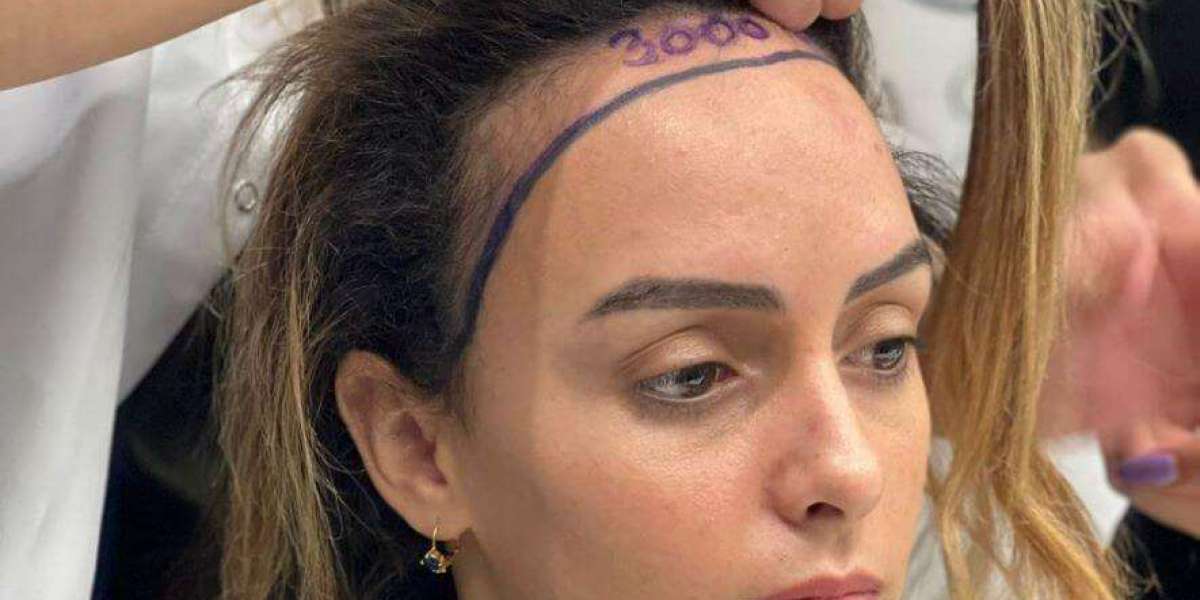

A hair transplant is a surgical procedure that moves healthy hair follicles from a donor area, usually the back or sides of the scalp, to areas affected by thinning or baldness. While the procedure itself is an important step, recovery plays an equally significant role in protecting the transplanted grafts and supporting healthy growth. If you are considering Hair Transplant in Islamabad, understanding the recovery process can help you prepare for the days and months ahead.
What Happens Immediately After a Hair Transplant?
Immediately after the procedure, your scalp may feel tender, tight, or slightly uncomfortable. Mild redness, swelling, and small crusts around the transplanted grafts are common during the early healing period. Some patients may also experience temporary numbness or itching.
Your treatment team will provide specific instructions for washing, sleeping, medications, and protecting the scalp. Following these instructions carefully is important because newly transplanted grafts need protection while they settle into their new location.
The First Few Days of Recovery
During the first few days, the main goal is to avoid unnecessary pressure, friction, or trauma to the scalp. You may be advised to rest and avoid strenuous activities. Sleeping with your head elevated may also be recommended to help manage swelling.
Hair washing should be performed only according to your surgeon's instructions. Gentle cleansing is generally introduced during the early recovery period, but rubbing, scratching, or directing strong water pressure at the grafts should be avoided.
One to Two Weeks After Surgery
By the first or second week, swelling and redness usually begin to settle. Small scabs may remain around the transplanted follicles and gradually loosen during gentle washing. It is important not to pick or pull them away because doing so can irritate the healing scalp.
You may gradually return to normal daily activities, depending on your recovery and your surgeon's advice. Vigorous exercise and activities that cause heavy sweating or increase the risk of scalp trauma may need to be avoided for a period of time.
Temporary Hair Shedding Is Normal
One of the most surprising parts of hair transplant recovery is temporary shedding. Transplanted hairs can fall out during the first several weeks after surgery. This is commonly called shock loss and does not necessarily mean that the transplant has failed.
The follicles can remain in the scalp even after the visible hair shaft sheds. New growth develops gradually afterward. The American Academy of Dermatology notes that transplanted hair may fall out between two and eight weeks after surgery, while visible results commonly become noticeable several months later.
When Does New Hair Growth Start?
Hair transplant results take time. During the first few months, the scalp may appear thinner than expected, which can be part of the normal growth cycle. New hair growth commonly starts becoming noticeable around the third or fourth month.
Hair gradually becomes longer and thicker as the follicles continue their growth cycle. Many patients see significant improvement between six and nine months, although some may need up to 12 months or longer to appreciate the final result.
Important Aftercare Tips
Good aftercare can help support a smooth recovery. Patients should:
- Follow all post-operative instructions carefully.
- Wash the scalp gently as directed.
- Avoid scratching, rubbing, or picking scabs.
- Avoid strenuous exercise until cleared.
- Protect the scalp from excessive sun exposure.
- Attend recommended follow-up appointments.
- Contact the treatment team if unusual symptoms develop.
Your exact recovery instructions may differ depending on the transplant technique, number of grafts, and individual healing response.
When Should You Contact Your Doctor?
Some discomfort, redness, swelling, itching, and scabbing can be expected after surgery. However, worsening pain, significant bleeding, spreading redness, fever, pus, or unusual drainage should be reported to your doctor promptly.
FAQs About Hair Transplant Recovery
How long does it take to recover from a hair transplant?
Initial healing generally occurs over the first one to two weeks, while complete hair growth takes several months. The final appearance may continue improving for 12 months or longer.
Can I return to work after a hair transplant?
Many people can return to light daily activities within several days, but the timing depends on the procedure and your individual recovery. Follow your surgeon's specific recommendations.
Is hair shedding after a transplant normal?
Yes. Temporary shedding of transplanted hair can occur during the first few weeks. It is usually part of the normal hair-growth cycle and does not automatically indicate treatment failure.
When can I exercise after a hair transplant?
Strenuous exercise may need to be restricted during the early recovery period. Your surgeon can tell you when it is safe to resume specific activities based on your healing.
When will I see the final results?
Visible improvement often develops gradually from around three to four months, with substantial results commonly seen by six to nine months. Some patients may continue seeing improvement for 12 months or longer.
Final Thoughts
Hair transplant recovery is a gradual process that requires patience and proper aftercare. Early swelling, redness, scabbing, and temporary shedding can be normal parts of healing, while new hair growth develops over several months. If you are considering Hair Transplant in Islamabad, discuss your expectations, recovery plan, and long-term hair goals with a qualified healthcare professional before proceeding. A personalized treatment and aftercare plan can help you understand what to expect throughout the recovery journey.