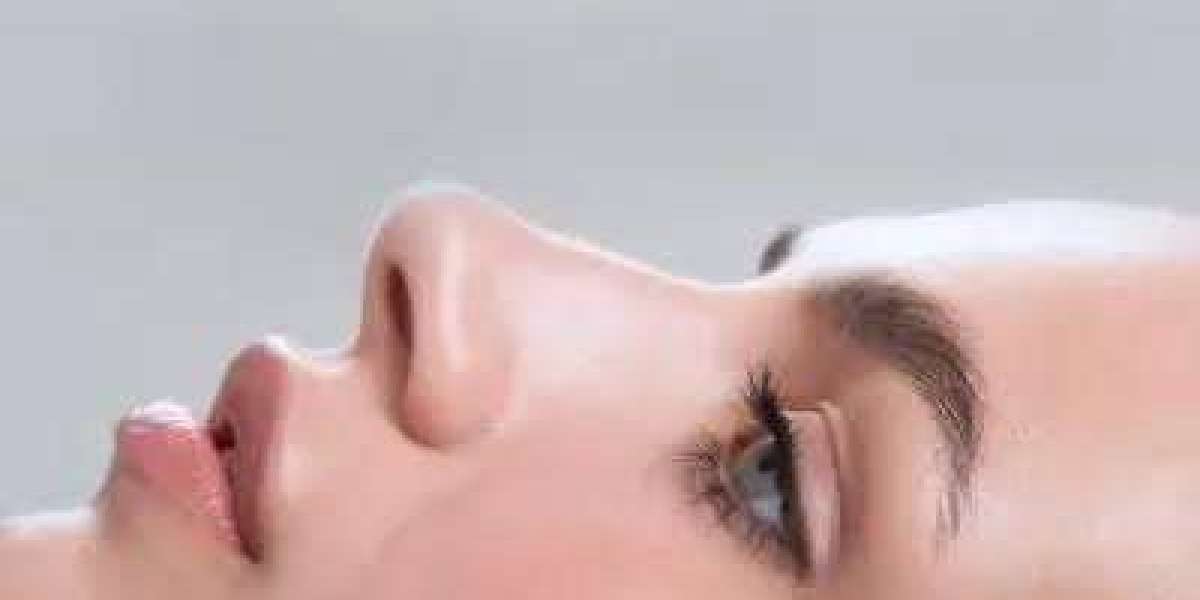

Rhinoplasty in Pakistan is a surgical procedure that reshapes the nose to improve its appearance, facial balance, or, in some cases, breathing function. People in Pakistan may consider rhinoplasty for cosmetic concerns such as a nasal hump, uneven nose, wide nostrils, or an unbalanced nasal profile. It can also be performed to address structural problems that affect breathing.
Understanding Rhinoplasty
Rhinoplasty involves modifying the bones, cartilage, and other nasal structures to achieve the desired shape and function. Depending on the individual’s anatomy and goals, the procedure may involve an open or closed surgical approach.
A consultation is an important first step. During this appointment, your surgeon can assess your nasal structure, discuss your concerns, review your medical history, and explain realistic outcomes. Because every nose and facial structure is different, results can vary from person to person.
How to Prepare for Rhinoplasty
Good preparation can make the surgical and recovery process smoother. Your surgeon may recommend medical tests, review your medications, and provide specific instructions based on your health.
You should tell your healthcare provider about all medications, supplements, allergies, and existing medical conditions. Certain medications, including aspirin and some anti-inflammatory drugs or herbal supplements, may increase bleeding risk and may need to be avoided if your surgeon advises it. Smoking should also be stopped because it can interfere with healing.
It is also useful to prepare your home before surgery. Arrange transportation after the procedure and, if recommended, have someone available to assist you during the first night. Keep your prescribed medicines, comfortable clothing, water, and easily prepared meals available.
What to Expect After Surgery
Following rhinoplasty, a splint or dressing may be placed over the nose to protect and support the healing structures. Some patients may also have internal packing or splints depending on the type of procedure performed.
Swelling, bruising, nasal congestion, mild discomfort, and temporary difficulty breathing through the nose are common during the early recovery period. These symptoms generally improve gradually. Bruising and noticeable swelling may settle considerably within a few weeks, although subtle swelling can remain much longer.
Rhinoplasty Recovery Tips
Following your surgeon’s postoperative instructions is essential. During the initial healing period, you may be advised to keep your head elevated while resting, avoid bending and heavy lifting, and limit strenuous exercise.
You should also protect your nose from accidental pressure or injury. Avoid blowing or picking your nose unless your healthcare professional specifically instructs you to do so. Sneezing through your mouth may help reduce pressure on the healing nose.
Many patients can return to lighter daily activities and work within around one to two weeks, although recovery varies depending on the surgery and individual healing. Strenuous exercise and contact sports generally need to be avoided for several weeks or until your surgeon gives you clearance.
When Will You See the Final Results?
Patience is important after rhinoplasty. The nose may look different at various stages of recovery because swelling gradually decreases and the tissues continue to settle. Although much of the initial swelling improves within weeks or months, the final nasal contour can continue refining for up to a year or longer.
Patients should therefore avoid judging their final result too early. Regular follow-up appointments allow the healthcare team to monitor healing and address concerns during recovery.
Potential Risks and Considerations
Like any surgical procedure, rhinoplasty carries potential risks. These may include infection, bleeding, changes in sensation, breathing difficulties, swelling, poor wound healing, dissatisfaction with appearance, and the possibility of revision surgery. Your surgeon should explain the potential risks and expected benefits before treatment.
Choosing an appropriately qualified and experienced surgeon and having the procedure in a suitable surgical facility are important parts of making an informed decision.
FAQs About Rhinoplasty in Pakistan
How long does rhinoplasty recovery take?
Initial recovery commonly takes around one to two weeks, but swelling can continue to improve for several months. Final refinement may take up to a year or longer.
Can rhinoplasty improve breathing?
Yes. Rhinoplasty may sometimes be combined with procedures addressing structural nasal problems that contribute to breathing difficulties. Your nasal anatomy should be evaluated during consultation.
When can I return to exercise after rhinoplasty?
The timing varies by procedure and healing. Strenuous exercise is generally restricted for several weeks, so follow your surgeon’s specific instructions.
Is swelling normal after rhinoplasty?
Yes. Swelling is expected after surgery and gradually decreases. Some subtle swelling can remain for months as the nose continues to heal.
How should I prepare for rhinoplasty?
Discuss your medical history and medications with your surgeon, follow instructions regarding smoking and medications, arrange transportation, and prepare a comfortable recovery space at home.
Final Thoughts
Rhinoplasty requires careful preparation, realistic expectations, and patience during recovery. Understanding what happens before and after surgery can help patients in Pakistan make informed decisions and follow their postoperative care instructions more confidently. Because recovery and results vary, always discuss your individual goals, risks, and expected timeline with a qualified healthcare professional.