
What Is a VCE Study Score?
The Victorian Certificate of Education (VCE) Study Score is an important measure of academic performance for students completing VCE studies in Victoria. A study score shows how well a student performed in a particular subject compared with other students who completed the same study in the same year.
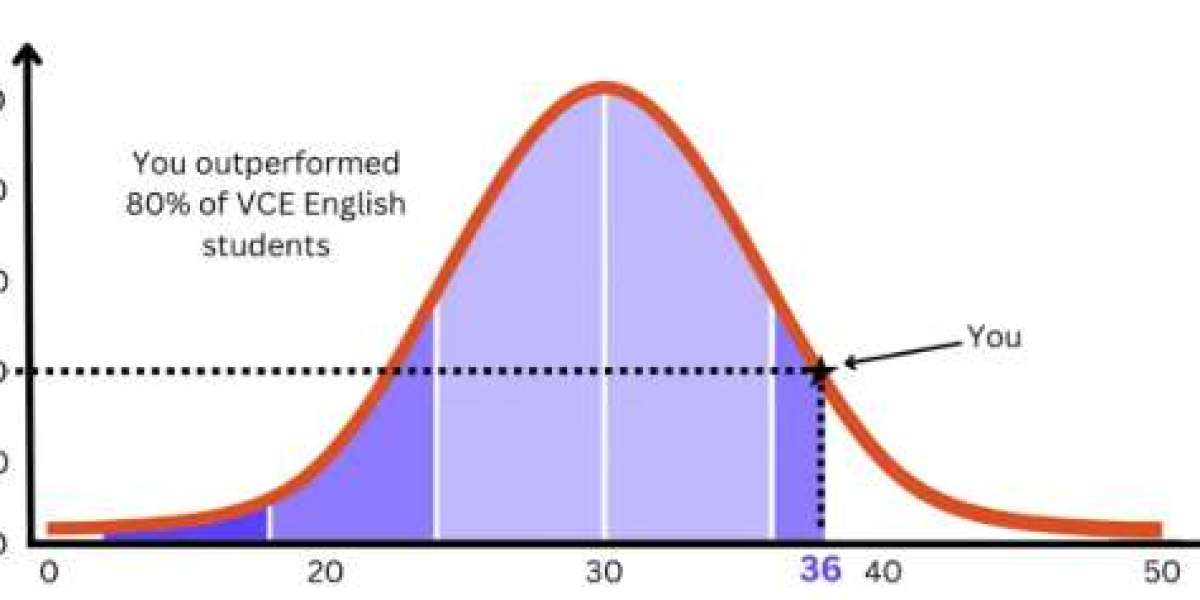
Study scores are reported on a scale from 0 to 50. A higher score generally indicates stronger performance relative to other students. Because the calculation involves several assessments and statistical processes, understanding how study scores work can sometimes be confusing.
This is where a VCE Study Score Calculator can be useful. It allows students to estimate their potential study score based on expected assessment and examination results. Although it cannot provide an official result, it can be a helpful planning and goal-setting tool.
How Does a VCE Study Score Calculator Work?
VCE Study Score Calculator uses information about a student's expected performance to estimate a possible study score. Depending on the calculator, students may be asked to enter examination marks, school-based assessment results, or other relevant information.
Each VCE subject has its own assessment structure. Some subjects place greater emphasis on examinations, while others include different combinations of school-based assessments and external examinations. As a result, the information required by a calculator can vary between subjects.
The calculator then uses the information provided to generate an estimated score. Students can use this estimate to understand how different levels of performance might affect their final result.
Why Should Students Use a VCE Study Score Calculator?
One of the biggest advantages of a VCE Study Score Calculator is that it can help students set realistic academic goals. Rather than simply aiming for higher marks, students can use estimates to determine what level of performance they may need to reach their desired study score.
For example, a student hoping to achieve a study score of 40 could enter different expected examination results and compare the estimated outcomes. This can help the student identify which areas require additional preparation.
Calculators can also be useful when students are reviewing their progress throughout the school year. If an estimated score is below their target, they can adjust their study routine, seek additional support, and focus on subjects or topics where improvement is most needed.
Understanding VCE Rankings and Percentiles
A study score is not simply a percentage or an average of marks. It represents a student's relative performance within a particular VCE study.
A score of 30 is generally around the middle of the distribution, while scores above 40 represent high levels of achievement. Very high study scores are comparatively uncommon.
This means that achieving a particular study score depends not only on how many marks a student receives but also on how their performance compares with other students.
VCE Study Scores and the ATAR
VCE Study Scores are closely connected to the Australian Tertiary Admission Rank, commonly known as the ATAR. However, the two are different.
A study score measures performance in an individual VCE study, whereas the ATAR provides an overall ranking based on a student's eligible VCE results. The study scores that contribute to the ATAR may also be affected by subject scaling.
For this reason, students should not assume that a particular study score automatically corresponds to one specific ATAR. A student's overall ATAR depends on the combination of their eligible studies and their results.
What Is Subject Scaling?
Subject scaling is another important factor to understand when using a VCE Study Score Calculator. Scaling adjusts study scores to account for differences in the academic performance of students taking different VCE studies.
Scaling does not mean that one subject is simply "better" than another. Instead, it is designed to help compare results across different studies when calculating the ATAR.
Students should therefore focus on choosing subjects that match their interests, abilities, strengths, and future study plans rather than selecting a subject solely because they believe it will scale highly.
Can a VCE Calculator Predict Your Exact Score?
No calculator can guarantee an exact final VCE study score. Online calculators provide estimates based on the information entered by the student.
Official results are determined through the VCE assessment and statistical processes used by the relevant authorities. Factors such as moderation, examination performance, and the performance of the wider student cohort can affect the final outcome.
Therefore, students should use calculator results as a guide rather than a promise.
How to Use a Calculator Effectively
For the most useful estimate, students should enter realistic marks rather than extremely optimistic or pessimistic predictions. It can also be helpful to calculate several scenarios.
For example, students could create a conservative estimate, a realistic estimate, and an ambitious estimate. Comparing these outcomes can provide a clearer picture of possible results and help students plan their preparation.
It is also important to remember that calculators should support, rather than replace, effective study habits. Regular revision, practice examinations, feedback from teachers, and a clear study schedule remain essential for improving VCE performance.
Conclusion
VCE Study Score Calculator can be a valuable resource for Victorian students preparing for their final VCE assessments. By providing an estimated study score, it can help students understand potential outcomes, set achievable targets, and identify areas where additional effort may be required.
However, students should remember that an online calculator is only an estimation tool. VCE study scores involve assessment results, statistical processes, and comparisons with the broader student cohort. The final official result may therefore differ from a calculator's prediction.
Used correctly, a VCE Study Score Calculator can give students greater confidence and a clearer understanding of their academic goals. Combined with consistent preparation and realistic expectations, it can be a useful part of an effective VCE study strategy.