
Introduction
The fruit industry depends on efficient packaging and accurate product identification to deliver fresh produce to customers. One important technology helping businesses meet these demands is the automatic fruit labeler. This machine is designed to apply labels to fruits quickly, accurately, and consistently. It can reduce manual labor, improve packaging efficiency, and help producers maintain professional product presentation.
What Is an Automatic Fruit Labeler?
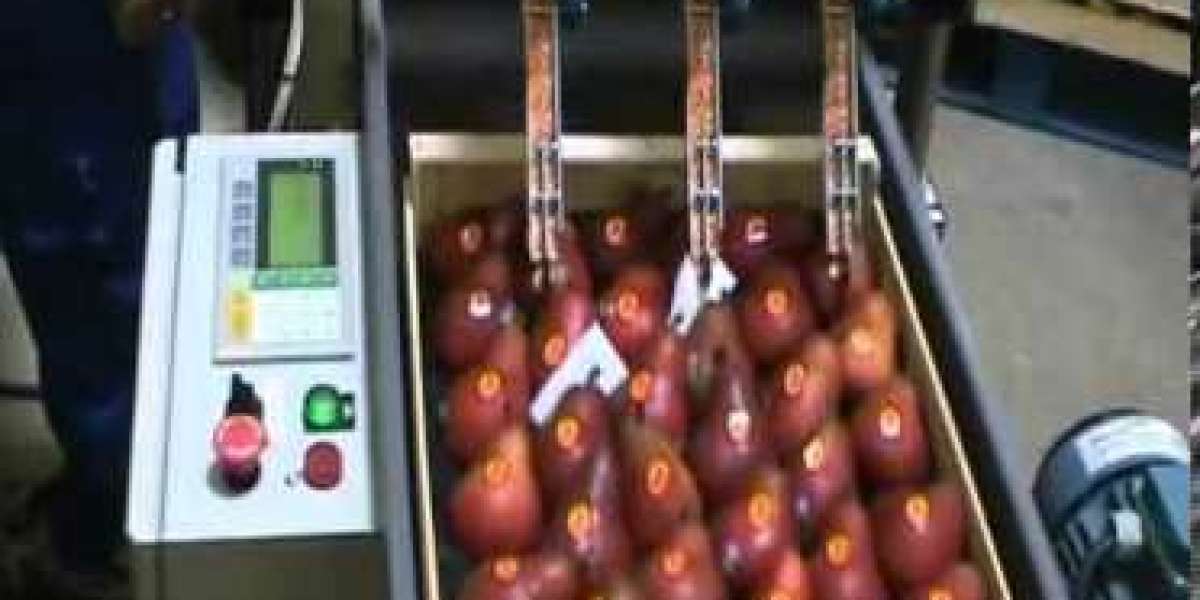
Automatic fruit labeler fruit labeler is a specialized machine that places adhesive labels onto individual fruits or fruit packages without requiring workers to apply each label by hand. Depending on the system, labels can include information such as brand names, product varieties, prices, barcodes, country of origin, or quality certifications. The machine can be integrated into fruit sorting, grading, packing, and processing lines.
How Does It Work?
The operation of an automatic fruit labeler generally begins when fruits move along a conveyor system. Sensors detect the position, size, or movement of each fruit. The labeling mechanism then places a pre-printed adhesive label onto the appropriate surface.
Modern machines are designed to handle fruits with different shapes and sizes. Advanced systems can adjust the labeling process according to production requirements. Some machines can also connect with weighing, sorting, and packaging equipment, allowing several operations to be completed within one production line.
Benefits of Automatic Fruit Labeling
One of the biggest advantages of an automatic fruit labeler is increased productivity. Manual labeling can be slow, especially in large-scale fruit processing facilities. Automated equipment can label a large number of fruits in a short period, helping businesses meet demanding production schedules.
Another major benefit is accuracy and consistency. Human workers may occasionally place labels unevenly or incorrectly. Automatic labeling equipment applies labels in a controlled and repeatable manner, creating a more uniform appearance.
Automation can also reduce labor requirements. Employees who previously spent significant amounts of time labeling fruit can be assigned to other important tasks, such as quality inspection, packaging, or machine operation.
Applications in the Fruit Industry
Automatic fruit labelers are widely useful in facilities that process apples, oranges, pears, lemons, avocados, peaches, and other types of produce. They are particularly valuable for supermarkets and export markets where individual fruits often need branding or identification labels.
The technology is also useful for businesses that want to promote their brand directly on fresh produce. A well-designed label can help customers recognize a company and distinguish its products from competitors.
Choosing the Right Machine
When selecting an automatic fruit labeler, businesses should consider production capacity, fruit types, labeling speed, label size, machine reliability, and maintenance requirements. The equipment should also be compatible with the existing conveyor and packaging system.
It is important to choose a machine that provides accurate labeling without damaging delicate fruit. Easy cleaning and maintenance are also important because food-processing equipment must meet appropriate hygiene standards.
Conclusion
Automatic fruit labeler is an important innovation for modern fruit processing and packaging. By automating the labeling process, it can increase productivity, improve consistency, reduce manual work, and enhance product presentation. As the demand for efficient and professional fruit packaging continues to grow, automatic labeling technology can help producers and distributors compete more effectively while maintaining high standards of quality and efficiency.