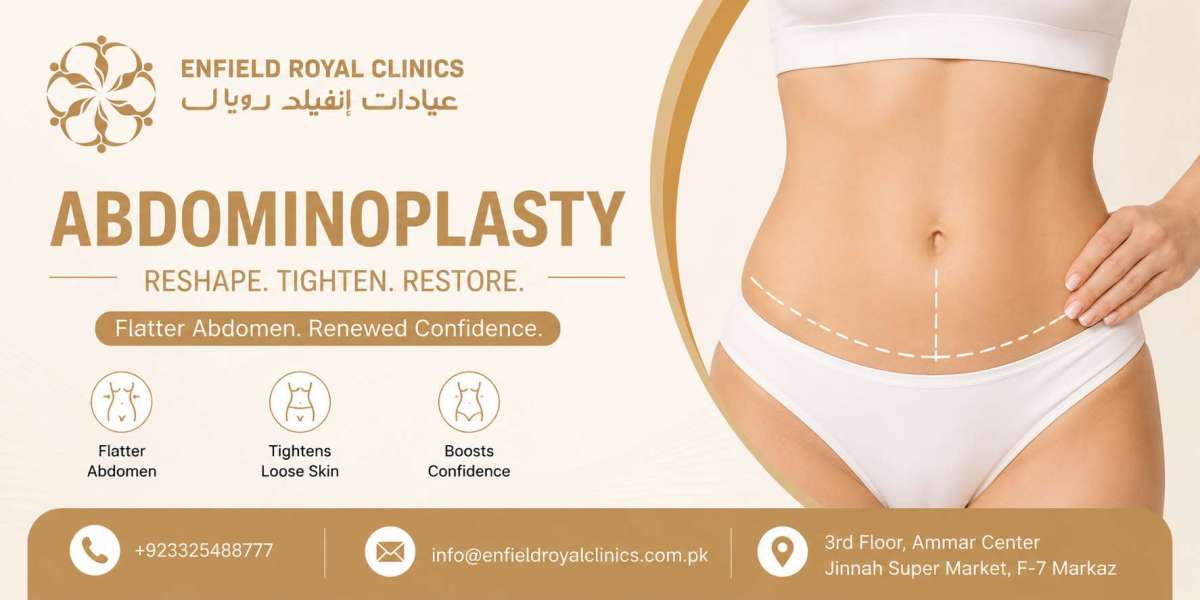

Abdominoplasty, commonly known as a tummy tuck, is a surgical procedure designed to improve the contour of the abdomen. It is often considered by people who have excess loose skin after pregnancy, significant weight loss, or major changes in body shape. Depending on the patient's needs, the procedure may also address weakened or separated abdominal muscles.
Understanding what happens during Abdominoplasty can make the process easier to understand and help patients prepare for their consultation. The exact surgical steps vary according to the technique, anatomy, and goals of each patient.
What Happens Before Abdominoplasty Surgery?
Before surgery, the patient has a consultation with a qualified plastic surgeon. During this appointment, the surgeon evaluates the abdomen, discusses concerns, reviews medical history, and determines whether Abdominoplasty is appropriate.
The surgeon may assess the amount of excess skin, skin elasticity, abdominal muscle condition, previous surgeries, and overall body proportions.
A personalized surgical plan is then created. Patients are also given instructions about medications, eating and drinking, smoking or nicotine, and other preparation requirements.
What Happens on the Day of Surgery?
On the day of Abdominoplasty, the patient arrives at the surgical facility and completes the necessary admission and preparation process.
The medical team reviews the surgical plan and confirms relevant health information. The surgeon may mark the abdomen to guide the planned incisions and areas of correction.
Anesthesia is administered according to the surgical plan. Tummy tuck surgery is generally performed under anesthesia so that the patient remains comfortable throughout the procedure.
How Is the Abdominal Incision Made?
The surgeon makes a carefully planned incision in the lower abdominal area.
The location and length of the incision depend on the patient's anatomy and the amount of excess skin being removed. Surgeons generally plan the incision so that the resulting scar can be concealed beneath underwear or swimwear when possible.
The exact scar varies from patient to patient and should be discussed during consultation.
How Is Excess Skin Removed?
One of the main steps of Abdominoplasty is removing excess loose abdominal skin.
The surgeon separates and lifts the abdominal skin and tissue as needed, then determines how much excess tissue can safely be removed.
The goal is not simply to remove as much skin as possible. The surgeon must consider blood supply, tissue tension, healing, and the desired abdominal contour.
Once the appropriate amount of excess skin has been removed, the remaining tissue can be repositioned.
Are Abdominal Muscles Tightened?
In some patients, the abdominal muscles may be weakened or separated. This can occur after pregnancy or significant changes in abdominal size.
If muscle repair is appropriate, the surgeon may tighten or repair the abdominal wall during Abdominoplasty.
Not every patient needs this step. The decision depends on the individual's anatomy and treatment goals.
Muscle repair can contribute to a firmer abdominal contour, but it may also influence the recovery process.
What Happens to the Belly Button?
In a full tummy tuck, the belly button may need to be repositioned because the abdominal skin is being tightened across a larger area.
The surgeon creates an appropriate opening for the belly button and positions it to maintain a natural appearance.
In a mini tummy tuck, belly-button repositioning is generally not required because the treatment is more limited.
The technique depends on the amount and location of excess skin.
Can Liposuction Be Performed at the Same Time?
Some patients have localized fat deposits along with loose abdominal skin. In selected cases, liposuction may be combined with Abdominoplasty to improve body contour.
However, combining procedures is not appropriate for everyone. The surgeon must consider the patient's health, anatomy, desired outcome, and overall surgical risk.
If liposuction is recommended, the surgeon should explain why it may benefit your particular treatment plan.
How Is the Incision Closed?
After excess skin has been removed and the abdominal tissues have been repositioned, the surgeon carefully closes the incision.
Different surgical techniques and closure materials may be used depending on the surgeon's approach and individual circumstances.
The incision is positioned and closed with the goal of supporting proper healing and producing an appropriate contour.
A dressing or other postoperative covering may then be applied according to the surgical team's protocol.
What Happens Immediately After Surgery?
After Abdominoplasty, the patient is moved to a recovery area and monitored while recovering from anesthesia.
Temporary swelling, bruising, tightness, and discomfort can occur. Pain-management medication may be provided according to the patient's needs.
The medical team will monitor vital signs and the surgical area and provide instructions for postoperative care.
Depending on the extent of surgery and individual circumstances, some patients may go home after observation while others may require an overnight stay.
What Should You Expect During Early Recovery?
The early recovery period requires patience. Movement may initially feel uncomfortable, and patients may need to avoid heavy lifting and strenuous activity.
Your surgeon will provide specific instructions regarding walking, wound care, medication, bathing, compression garments if recommended, and follow-up appointments.
Following these instructions is important because the abdominal tissues need time to heal properly.
How Long Until Results Become Visible?
Some improvement in abdominal contour may be noticeable soon after Abdominoplasty, but the final result does not appear immediately.
Swelling and tissue healing can temporarily affect the shape of the abdomen. As swelling decreases over the following weeks and months, the contour generally becomes clearer.
Scars also take time to mature and change in appearance.
Is Abdominoplasty Painful?
Some discomfort is expected after surgery. Patients may experience soreness, tightness, or difficulty moving normally during the initial recovery period.
The level of discomfort varies according to the extent of surgery and individual pain tolerance.
Your surgeon can provide appropriate pain-management instructions and explain which symptoms are expected and which may require medical attention.
Final Thoughts
So, what happens during Abdominoplasty surgery? The procedure generally involves anesthesia, carefully planned incisions, removal of excess abdominal skin, repositioning of tissues, possible abdominal muscle repair, and surgical closure.
The exact steps vary depending on whether a patient requires a full tummy tuck, mini tummy tuck, extended procedure, or additional contouring.
Understanding the process can help you prepare for surgery, but every patient requires an individualized treatment plan. If you are considering Abdominoplasty, discuss the surgical technique, risks, recovery, scarring, and expected results with a qualified plastic surgeon before making your decision.