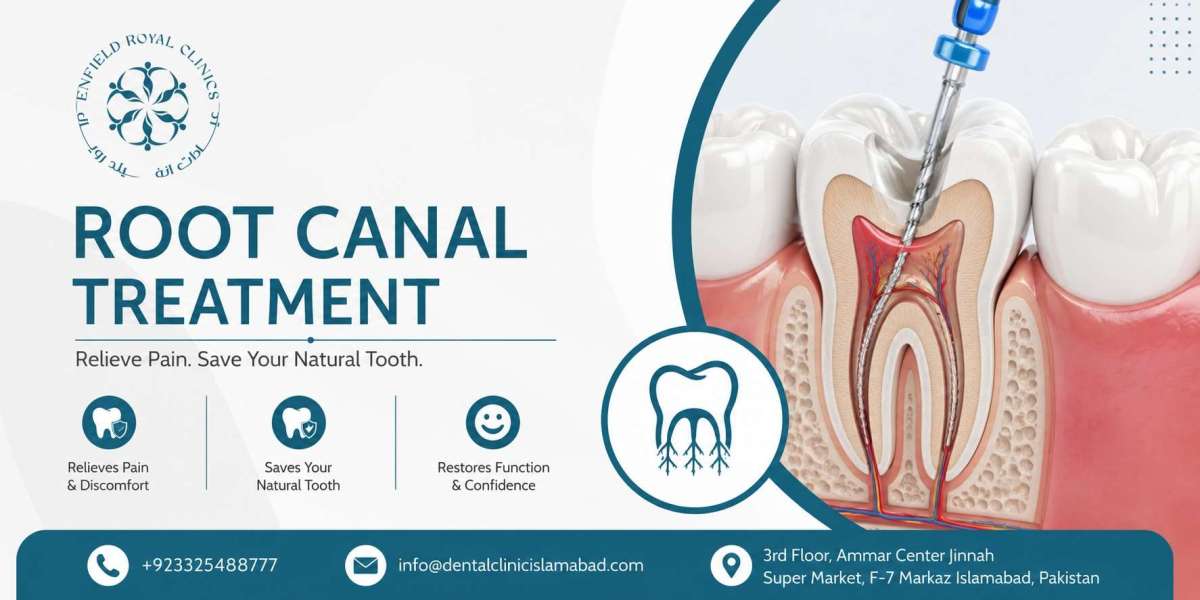

A healthy smile depends on more than regular brushing and routine dental checkups. When the inner part of a tooth becomes infected or badly damaged, simple dental care may no longer be enough. In such situations, root canal treatment can help remove the infection, protect the natural tooth, and restore normal dental function. For patients looking for reliable dental care, choosing a professional Dental Clinic in Islamabad can make the treatment experience more comfortable and reassuring.
Root canal treatment in Islamabad is a commonly performed dental procedure designed to save a natural tooth that has become infected or severely damaged. Instead of removing the affected tooth, a dentist carefully cleans the infected pulp, disinfects the inside of the tooth, fills the empty space, and seals it. The treatment can relieve persistent tooth pain while helping prevent the infection from spreading to nearby tissues.
What is Root Canal Treatment?
Root canal treatment is a dental procedure used when the soft inner tissue, known as the dental pulp, becomes inflamed or infected. The pulp contains nerves and blood vessels, and it can be affected by deep tooth decay, cracks, repeated dental procedures, or an injury.
When the pulp becomes infected, the problem usually does not resolve on its own. Without appropriate dental care, bacteria can continue to spread inside the tooth and potentially cause an abscess. A root canal allows the dentist to remove the infected tissue while keeping the outer structure of the natural tooth.
The procedure is generally performed under local anesthesia, which helps minimize discomfort during treatment. Modern dental techniques and equipment have also made root canal procedures more predictable and patient-friendly than many people expect.
When Is a Root Canal Needed?
A dentist may recommend a root canal when the pulp inside a tooth is severely inflamed or infected. Some common warning signs include:
Persistent or severe toothache
Increased sensitivity to hot or cold foods and drinks
Pain while biting or chewing
Swelling around the affected tooth
Tender or swollen gums
A darkening or discoloration of the tooth
A recurring pimple or abscess on the gums
Deep tooth decay
A cracked or injured tooth
Not every toothache requires a root canal. Dental pain can have several causes, so a professional examination is important. A dentist may use X-rays and other diagnostic methods to determine whether the pulp has been affected and whether root canal treatment is appropriate.
Common Causes of Tooth Infection
Understanding the causes of dental infection can help patients take preventive steps. Deep tooth decay is one of the most common reasons for pulp infection. When decay progresses through the enamel and dentin and reaches the pulp, bacteria can enter the inner part of the tooth.
A cracked tooth can also allow bacteria to reach the pulp. In some cases, trauma from an accident or sports injury may damage the pulp even when the tooth does not appear badly broken. Repeated dental work on the same tooth may also contribute to pulp irritation or damage.
Regular dental checkups can help identify cavities and other dental problems before they become severe enough to require more extensive treatment.
How Does Root Canal Treatment Work?
The exact treatment plan depends on the condition of the tooth, but a typical root canal involves several important stages.
Dental Examination
The dentist first examines the affected tooth and discusses the patient's symptoms. An X-ray may be taken to assess the roots, surrounding bone, and extent of infection. This examination helps determine whether a root canal is the most suitable option.
Local anesthesia
Before treatment begins, local anesthesia is administered to numb the area around the tooth. This helps the patient remain comfortable throughout the procedure.
Removing the Infected Pulp
The dentist creates a small opening in the tooth and carefully removes the infected or damaged pulp. Specialized dental instruments are used to clean the root canals.
Cleaning and Disinfecting
After the infected tissue has been removed, the canals are cleaned and disinfected. This stage is important because bacteria left inside the tooth can contribute to further infection.
Filling the Canals
The cleaned canals are filled with a suitable dental material to seal the space and reduce the possibility of bacteria entering again.
Restoring the Tooth
After root canal treatment, the tooth may require a filling or dental crown depending on how much natural tooth structure remains. A crown is often considered when additional strength and protection are needed, particularly for teeth that experience significant chewing pressure.
Is Root Canal Treatment Painful?
Many patients are concerned about pain before undergoing a root canal. With modern anesthesia and dental techniques, the procedure itself is generally performed with little or no significant pain. Some tenderness or mild discomfort can occur after treatment, especially as the surrounding tissues recover.
A dentist may recommend appropriate aftercare measures based on the patient's condition. Following the dentist's instructions, avoiding excessive pressure on the treated tooth until it has been properly restored, and maintaining good oral hygiene can support recovery.
It is also worth remembering that delaying treatment can allow an infection to become more serious. The pain caused by an untreated dental infection may be considerably more troublesome than the discomfort associated with professional treatment.
Root Canal Treatment Price in Islamabad
The root canal treatment price in Islamabad can vary from one patient to another. There is no single fixed cost because several factors can influence the final treatment fee.
These factors may include the location of the tooth, the number and shape of the root canals, the severity of infection, the experience of the dentist, the technology used by the clinic, and whether additional treatment such as a dental crown is required.
Front teeth may sometimes involve a simpler procedure because they typically have fewer canals, while molars can require more complex treatment. A tooth with a complicated root structure may also require additional time and specialized care.
Patients considering treatment should ask the dental clinic for a complete estimate after an examination. A professional consultation can provide a clearer understanding of the treatment required and any additional restoration that may be recommended.
Why Choose a Professional Dental Clinic in Islamabad?
Selecting the right dental clinic can make an important difference in both treatment quality and patient comfort. A professional Dental Clinic in Islamabad should provide a clean clinical environment, qualified dental professionals, appropriate diagnostic facilities, and modern treatment techniques.
Patients can consider several factors before making a decision. The dentist's qualifications and experience are important, particularly when a tooth has a complicated root structure. The clinic's sterilization practices, diagnostic equipment, treatment approach, and communication with patients are also worth considering.
A good dental clinic should explain the diagnosis and treatment options clearly instead of leaving patients uncertain about what will happen next. Transparent communication about expected treatment steps and costs can also make the overall experience easier.
Benefits of Saving a Natural Tooth
One of the major advantages of root canal treatment is that it can allow the natural tooth to remain in place. Keeping the original tooth can help maintain normal chewing function and reduce the risk of neighboring teeth shifting into the empty space.
A successfully treated tooth can continue to function for many years when it receives appropriate restoration and regular dental care. Saving the natural tooth may also avoid some of the additional procedures associated with tooth replacement.
Root canal treatment does not make a tooth completely immune to future problems, however. The treated tooth still needs regular brushing, flossing, dental checkups, and appropriate restoration.
Root Canal Treatment vs. Tooth Extraction
When a tooth has a severe infection, some patients may assume that extraction is the only solution. In suitable cases, root canal treatment can provide an alternative by removing the infected pulp while preserving the natural tooth.
Extraction removes the tooth entirely. Although it can be necessary when a tooth cannot be restored, losing a tooth may create a need for replacement options such as a dental implant, bridge, or other prosthetic solution.
The choice between root canal treatment and extraction depends on the tooth's condition, remaining structure, infection, and overall dental health. A qualified dentist can explain which option is more appropriate after a thorough examination.
How Long Does Root Canal Treatment Take?
The treatment time varies depending on the tooth and the complexity of the infection. Some cases can be completed in one appointment, while complicated more infections may require multiple visits.
Molars often require more attention because they can have several canals with complex shapes. If the infection is extensive or additional treatment is necessary, the dentist may recommend follow-up appointments.
Patients should not judge the quality of treatment solely by how quickly it is completed. Proper cleaning, disinfection, sealing, and restoration are important parts of successful root canal care.
Aftercare Following a Root Canal
Following the dentist's aftercare instructions can help protect the treated tooth. Patients are generally advised to maintain regular oral hygiene and avoid putting unnecessary pressure on a tooth that has not yet received its final restoration.
Brushing twice daily with fluoride toothpaste and cleaning between the teeth can help prevent new decay. Regular dental examinations can also help identify problems at an early stage.
If severe pain, swelling, an uneven bite, or other unusual symptoms continue after treatment, the patient should contact the dentist for an assessment rather than ignoring the symptoms.
How Can Root Canal Treatment Be Prevented?
Although not every root canal can be prevented, good oral hygiene can reduce the risk of tooth decay and infection. Regular brushing, daily flossing, limiting excessive sugary foods and drinks, and attending routine dental checkups are all useful habits.
Treating cavities early is especially important. A small cavity can often be managed with a simpler restoration, whereas untreated decay may eventually reach the pulp and require more extensive treatment.
Wearing suitable protection during contact sports can also help reduce the risk of dental injuries that may damage the pulp.
Frequently Asked Questions
Can a root canal save a badly infected tooth?
In many cases, root canal treatment can save a tooth that has an infected or damaged pulp. However, the suitability of treatment depends on the amount of remaining tooth structure, the condition of the roots, and the surrounding tissues.
How much does root canal treatment cost in Islamabad?
The cost varies according to the tooth being treated, the complexity of the root canals, the severity of infection, the dentist's expertise, and whether a crown or other restoration is needed. Patients should request an individualized estimate from the dental clinic in Islamabad after examination.
Is a crown necessary after a root canal?
A crown is not automatically required for every tooth. However, teeth that have lost substantial structure, especially back teeth, may benefit from a crown to provide additional protection and strength. The dentist can recommend the most suitable restoration based on the tooth's condition.
Can a root canal fail?
Although root canal treatment has a high success rate when properly performed, complications can occur. Persistent infection, missed canals, leakage, new decay, or damage to the restored tooth can contribute to treatment failure. Follow-up care and good oral hygiene can help protect the treated tooth.
When should a patient visit a dentist?
A patient should arrange a dental examination when tooth pain persists, sensitivity becomes severe or prolonged, swelling develops, or there are signs of infection. Early evaluation can sometimes prevent a minor dental problem from becoming more complicated.
Final Thoughts
Root canal treatment can be an effective way to manage an infected or severely damaged tooth while preserving the natural tooth structure. Although concerns about pain and cost are common, modern dental techniques have made the procedure more comfortable and predictable for many patients.
For anyone considering root canal treatment in Islamabad, a consultation with a qualified dentist is the best starting point. An examination can identify the underlying problem, explain the available treatment options, and provide a more accurate estimate of the root canal treatment price in Islamabad. With timely treatment, appropriate restoration, and consistent oral hygiene, a treated tooth can continue to support a healthy and functional smile for years to come.