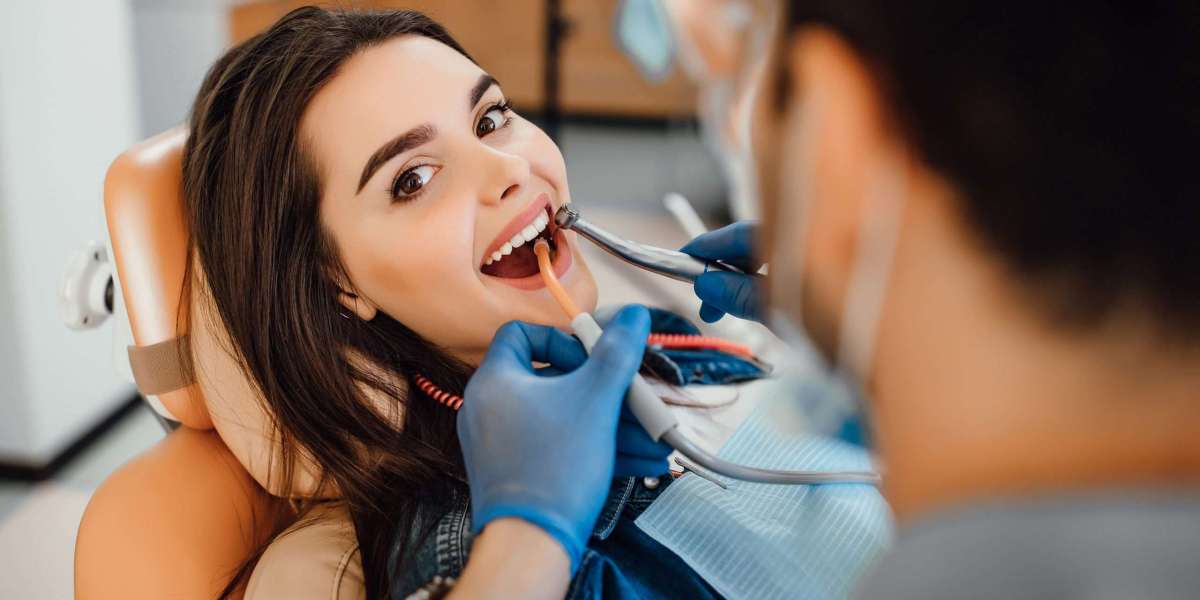

Root canal treatment is a common dental procedure used to remove infection or inflammation from inside a tooth, clean the root canals, and seal the tooth to help prevent reinfection. Although the procedure is designed to relieve dental pain and preserve the natural tooth, proper aftercare plays an important role in recovery and long-term oral health.
For patients considering or recovering from Root Canal Treatment in Islamabad, understanding what to do after the procedure can make the healing period more comfortable and help protect the treated tooth.
Manage Mild Pain and Sensitivity
Some tenderness, sensitivity, or mild discomfort is normal for a few days after root canal treatment, particularly if the tooth was infected or painful before the procedure. In most cases, the discomfort gradually improves as the surrounding tissues heal.
Your dentist may recommend an appropriate pain reliever based on your individual circumstances. Always follow the recommended dose and your dentist's instructions rather than taking medication unnecessarily.
If pain becomes severe, continues to worsen, or lasts longer than expected, contact your dentist for an evaluation.
Avoid Chewing on the Treated Tooth
One of the most important aftercare steps is protecting the treated tooth until it receives its permanent restoration. A tooth that has undergone root canal treatment may require a filling or crown, and an unrestored tooth can be more vulnerable to fracture.
Until your dentist confirms that the tooth is adequately restored, avoid biting hard foods directly with it. Pakistani patients may want to be particularly careful with hard foods such as nuts, ice, hard sweets, and other foods that require considerable biting force.
Wait Until Numbness Disappears
Local anesthesia can leave your mouth, lips, tongue, or jaw feeling numb for several hours after treatment. Avoid eating until normal sensation has returned to reduce the risk of accidentally biting your cheek, tongue, or lips.
When you begin eating, choose softer foods if the treated area feels sensitive. Lukewarm foods and drinks may also feel more comfortable during the initial recovery period.
Continue Good Oral Hygiene
Root canal treatment does not mean you should stop brushing or flossing. Unless your dentist gives different instructions, continue your normal oral hygiene routine, including brushing with fluoride toothpaste and cleaning between your teeth. Be gentle around the treated area if it feels tender.
Maintaining good oral hygiene is especially important because bacteria and plaque can contribute to further dental problems around the treated tooth and other teeth.
Complete the Recommended Restoration
Completing the treatment process is essential. A temporary filling may sometimes be placed between appointments, but the tooth may eventually need a permanent filling or crown depending on its condition.
Do not delay your follow-up appointment simply because your tooth feels better. The permanent restoration helps protect the tooth and restore its normal function.
Avoid Smoking During Recovery
Smoking can interfere with healing, so avoiding it during the recovery period is advisable. The American Association of Endodontists also recommends avoiding smoking immediately after treatment.
Patients should also follow any additional instructions provided by their dentist regarding food, drinks, medications, and oral hygiene.
Know When to Contact Your Dentist
Mild discomfort can be part of normal recovery, but certain symptoms require professional attention. Contact your dentist if you experience severe or persistent pain, noticeable swelling inside or outside the mouth, an uneven bite, an allergic reaction to medication, or if a temporary filling or crown comes out. If previous symptoms return, you should also arrange a dental assessment.
Prompt attention can help identify complications and determine whether additional treatment is needed.
Maintain Regular Dental Checkups
A successful root canal is only one part of maintaining good oral health. Regular dental examinations can help identify decay, gum problems, cracks, or other concerns before they become more serious.
Brush your teeth regularly with fluoride toothpaste, clean between your teeth, and attend follow-up appointments recommended by your dental professional. With appropriate treatment and restoration, a root-canal-treated tooth can potentially function for many years and may last as long as other natural teeth.
FAQs
Is mild pain normal after root canal treatment?
Yes. Mild soreness or sensitivity for a few days can be normal, particularly when the tooth was infected before treatment. The discomfort should generally improve rather than become progressively worse.
When can I eat after a root canal?
It is best to wait until the local anesthesia has completely worn off before eating. Avoid putting heavy chewing pressure on the treated tooth until your dentist confirms that it has been properly restored.
Can I brush my teeth after root canal treatment?
Generally, yes. You can continue brushing and flossing unless your dentist has given you different instructions. Be gentle around the treated area if it is sensitive.
Is a crown always necessary after a root canal?
Not always. The need for a crown or another permanent restoration depends on the tooth's condition, location, remaining structure, and your dentist's assessment. A badly damaged tooth may require a crown for additional protection.
When should I contact my dentist after a root canal?
Contact your dentist if you develop significant swelling, severe or worsening pain, an uneven bite, an allergic reaction, loss of a temporary filling or crown, or if your original symptoms return.
Final Thoughts
Proper aftercare can make recovery from root canal treatment smoother while helping protect the treated tooth. Patients should follow their dentist's instructions, avoid unnecessary pressure on the tooth, maintain good oral hygiene, complete any recommended restoration, and attend follow-up appointments. For patients undergoing Root Canal Treatment in Islamabad, personalized advice from a qualified dental professional is the best way to support healing and maintain long-term oral health.