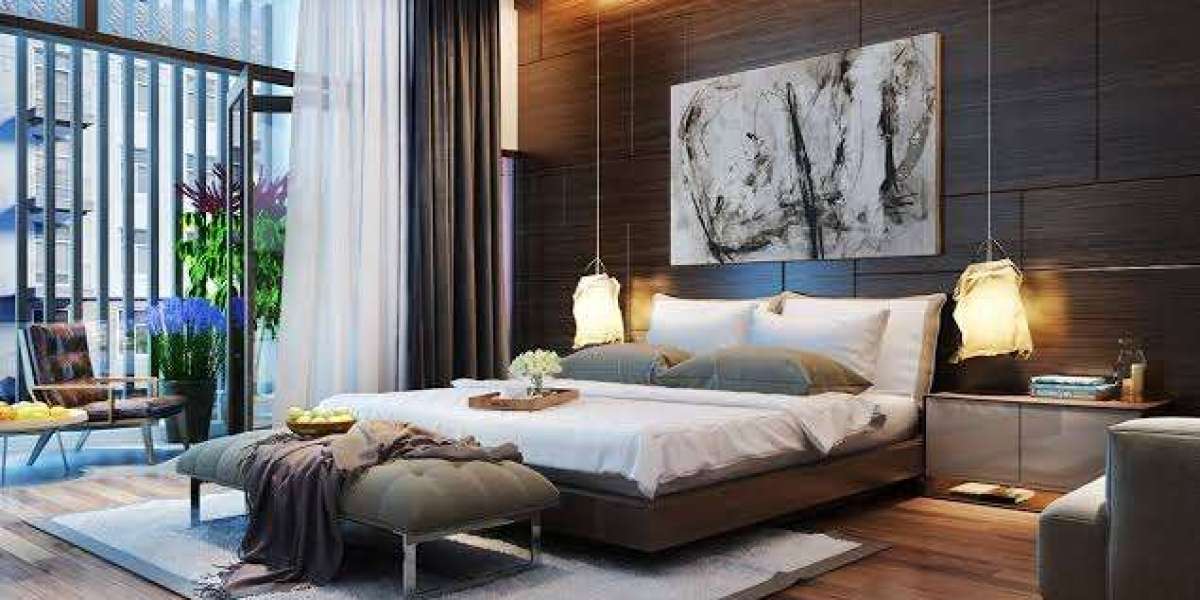

A beautifully decorated home should do more than look attractive. It should create an atmosphere that feels comfortable, expressive, and connected to the people who live there. One of the most effective ways to achieve this is by incorporating artwork and decorative finishes into the interior design. An art decor home brings together creativity, color, texture, and functionality to create a space with a distinctive visual identity.
Modern interior design provides homeowners with countless opportunities to personalize their surroundings. Traditional framed artwork can be combined with canvas prints, custom wallpaper, decorative glass, acrylic panels, metal artwork, wood finishes, mirrors, and other specialty applications. These options allow artwork to become part of the architecture rather than simply an accessory.
Whether you are decorating a contemporary apartment, luxury villa, townhouse, or family residence, the right artistic elements can make every room more inviting and visually engaging.
What Is an Art Decor Home?
An art decor home is an interior where artistic elements are intentionally incorporated into the overall design.
Instead of choosing artwork only after the furniture and walls have been completed, the artwork becomes part of the design concept from the beginning. This allows colors, patterns, textures, and materials to complement one another.
For example, a minimalist living room could feature one oversized abstract print as its main focal point. A bedroom could use a custom mural behind the bed, while a kitchen might feature decorative printed glass. A hallway could be enhanced with a collection of family photographs.
The possibilities are virtually unlimited.
The most important principle is balance. Artwork should enhance the room without making it feel overcrowded.
Start With the Style of Your Home
Before selecting artwork, consider the architectural style and existing décor of your property.
A modern interior may benefit from abstract compositions, geometric patterns, monochrome photography, or sleek acrylic artwork. A classic interior might look better with traditional landscapes, elegant portraits, or detailed artistic reproductions.
For industrial-inspired spaces, metal artwork and architectural photography can work particularly well. Natural interiors can incorporate botanical prints, landscape imagery, and wood-inspired finishes.
The artwork does not need to match every piece of furniture. Instead, it should complement the overall design language.
Make the Living Room a Visual Centerpiece
The living room is often the first area guests see, so it is an ideal place to introduce statement artwork.
A large artwork above the sofa can immediately establish the room's focal point. For larger interiors, panoramic artwork can fill a wide wall while maintaining a clean appearance.
When choosing a statement piece, think about proportion.
A small print may disappear on a large wall, while an oversized artwork can dominate a compact room. Measure the wall and consider the dimensions of nearby furniture before making your final choice.
The color palette also matters. If your living room contains neutral furniture, artwork can introduce a carefully selected accent color.
Personalize Your Interior With Custom Artwork
Personal artwork can make a home feel more meaningful.
Instead of relying entirely on ready-made designs, homeowners can transform personal photographs, digital artwork, illustrations, travel images, or commissioned designs into professional wall décor.
A family photograph can become a large canvas. A favorite travel photograph can be printed as a panoramic feature. Personal artwork created by children can be reproduced and professionally displayed.
This level of customization makes the interior unique.
It also allows homeowners to create artwork that fits a specific wall rather than trying to find a commercially available piece with the correct dimensions.
The Power of Large-Format Artwork
Large-format artwork can have a dramatic impact.
Oversized prints work particularly well in rooms with high ceilings, spacious walls, or open-plan layouts. Instead of filling a wall with numerous small objects, one large piece can provide a cleaner and more sophisticated appearance.
Large-scale artwork can also make a room feel more intentional.
For example, a panoramic cityscape could create an impressive backdrop in a modern dining area, while an abstract composition could become the defining feature of an open-plan living room.
The quality of the original image is important when creating large-format artwork. High-resolution imagery and professional printing help preserve detail and clarity.
Transform Walls With Custom Wallpaper
Walls provide an enormous canvas for creativity.
Modern digitally printed wallpaper allows homeowners to transform a plain wall into a dramatic feature. Designs can include nature scenes, geometric patterns, artistic textures, architectural photography, abstract compositions, or customized imagery.
Instead of applying wallpaper throughout the entire home, consider using it selectively.
A feature wall behind the bed can create a strong bedroom focal point. A dining room wall can become a sophisticated artistic statement. A home office can use a subtle textured design to create a professional background.
Wallpaper is especially useful when you want a significant visual change without altering the underlying architecture.
Decorative Glass for Contemporary Homes
Glass is increasingly popular in modern interiors because it combines practicality with a clean, sophisticated appearance.
Decorative and printed glass can be used in kitchens, bathrooms, partitions, doors, feature walls, and other applications.
A printed glass backsplash, for example, can introduce a custom image or pattern into a kitchen while creating a sleek surface. Decorative glass partitions can also provide privacy while contributing to the overall design.
Because glass naturally interacts with light, it can create interesting visual effects throughout the day.
For contemporary interiors, it offers an attractive alternative to conventional decorative materials.
Acrylic Art for a Sleek Appearance
Acrylic prints are another popular choice for modern interiors.
The material can provide a clean, polished appearance and is particularly effective for high-resolution photography, abstract artwork, and colorful digital designs.
Acrylic artwork can be used in living rooms, bedrooms, corridors, offices, and entertainment spaces.
For minimalist interiors, one large acrylic print may be enough to create a focal point. In larger spaces, several coordinated acrylic pieces can form a sophisticated gallery arrangement.
Create an Artistic Bedroom
Bedrooms should provide comfort and relaxation, but that does not mean they need to be visually boring.
Artwork can add personality without making the space feel overly busy.
A large print above the bed is one popular option. Alternatively, homeowners can create a gallery arrangement using several smaller pieces.
Nature photography, abstract artwork, calming landscapes, soft geometric patterns, and personalized images can all work well.
The choice should reflect the atmosphere you want to create.
If relaxation is the priority, consider softer colors and less complicated compositions.
Dining Rooms Deserve Artistic Attention
Dining rooms are often decorated with beautiful furniture and lighting but may lack wall decoration.
Artwork can change this.
A large statement piece positioned behind the dining table can create an elegant focal point. For a more traditional appearance, framed artwork can be arranged symmetrically.
Contemporary interiors may benefit from abstract art, large photographic prints, or decorative glass.
The artwork should work with the lighting above the table. Pendant lights and chandeliers can create dramatic effects when combined with carefully positioned wall décor.
Turn Hallways Into Gallery Spaces
Hallways are often overlooked because they are primarily used for movement between rooms.
However, they can provide valuable wall space for artwork.
A long corridor can become a private gallery with a collection of photographs or framed artwork. A consistent frame style can make different images feel connected.
Alternatively, a panoramic print can create a single visual statement.
Lighting should be considered carefully. Small directional lights can emphasize individual pieces, while general lighting can illuminate the entire arrangement.
Add Personality to a Home Office
A home office should be functional, but it can also express individuality.
Artwork can help create an inspiring environment without distracting from work.
Architectural photographs, minimalist designs, abstract compositions, typography, and sophisticated neutral artwork can all work well in office environments.
If video calls are part of your work, consider the wall behind your desk carefully. A tasteful artwork arrangement can create a more polished background.
Avoid excessively complicated artwork if the space already contains many shelves, books, equipment, or accessories.
Combine Art With Interior Materials
One of the most exciting developments in interior decoration is the ability to print artwork onto different materials.
Instead of limiting art to paper and canvas, homeowners can explore glass, acrylic, metal, wood, tiles, and other surfaces.
This allows the artistic concept to become part of the interior itself.
For example, a decorative design can be incorporated into a kitchen backsplash, while a related pattern appears on a feature wall. This creates continuity between different surfaces.
Combining materials can also introduce contrast. A glossy surface can be positioned near a textured wall, while matte artwork can balance reflective furniture.
Choose Artwork According to Room Function
Every room has a different purpose, so artwork should respond to that purpose.
A living room can accommodate bold and expressive designs. Bedrooms may benefit from calmer compositions. Dining rooms can support sophisticated statement pieces, while home offices may benefit from clean and structured artwork.
Children's rooms offer opportunities for playful colors and imaginative themes.
Bathrooms and kitchens require more consideration because moisture, cleaning, and surface maintenance can influence material selection.
Choosing artwork according to the function of the room ensures that decoration remains practical as well as attractive.
Pay Attention to Scale and Proportion
Good interior design depends heavily on proportion.
Artwork should relate to the size of the wall and surrounding furniture.
For example, placing a very small frame above a large sofa may make the wall feel unbalanced. On the other hand, an extremely large artwork in a compact room can make the space feel crowded.
Gallery walls can solve some proportion challenges because several smaller artworks can collectively occupy a larger visual area.
Always consider the complete arrangement rather than judging artwork as an individual object.
Think About Texture
Texture adds depth to an interior.
A room with smooth walls, glass furniture, and polished flooring can sometimes benefit from textured artwork.
Canvas, textured art reproductions, wallpaper with surface effects, and other tactile finishes can introduce visual variety.
Texture is particularly effective in neutral interiors because it creates interest without requiring strong colors.
Coordinate Artwork With Lighting
Lighting should never be an afterthought.
The same artwork can appear completely different under natural daylight, warm lighting, or cool artificial light.
Before finalizing an installation, consider how sunlight enters the room and where artificial lighting is positioned.
For statement pieces, accent lighting can draw attention to specific areas.
Reflective surfaces such as glass and acrylic may require additional consideration because excessive direct light can create unwanted reflections.
Invest in Quality
A strong design deserves high-quality production.
Large artwork should be printed from suitable high-resolution files, while specialty materials require appropriate production methods and finishing.
Professional printing can help ensure accurate colors, sharp details, consistent sizing, and a polished final appearance.
Installation is equally important. Even excellent artwork can lose its impact if it is mounted unevenly or positioned incorrectly.
For significant interior projects, working with experienced professionals can make the process much easier.
Building a Cohesive Art Decor Home
The most attractive interiors usually have a sense of continuity.
This does not mean using identical artwork in every room. Instead, create subtle connections.
You might repeat a particular color throughout the home. You could use similar frame finishes or recurring artistic themes.
For example, an interior inspired by nature could combine landscape photography, botanical wallpaper, natural wood finishes, and green accent colors.
A contemporary monochrome home might use black-and-white photography, grey artwork, glass surfaces, and minimalist furniture.
The goal is to create a design story that flows naturally from one room to another.
Final Thoughts
An art decor home offers an opportunity to transform ordinary interiors into spaces that feel personal, sophisticated, and visually engaging. Artwork can influence atmosphere, introduce color, create focal points, and provide a unique expression of personality.
Modern printing technology has expanded the possibilities far beyond traditional framed pictures. Canvas, wallpaper, glass, acrylic, metal, wood, and other specialty surfaces allow homeowners to incorporate creative designs into almost every area of their property.
The best approach is to begin with the room itself. Consider its size, purpose, colors, furniture, lighting, and architectural details. Then select artwork and materials that enhance those existing characteristics.
With careful planning and professional-quality production, decorative artwork can become much more than an accessory. It can become an essential part of the home's identity, creating interiors that are beautiful today and remain meaningful for years to come.