
Most people give at-home self-tanning a fair shot. You buy the mousse, the mitt, the prep spray, maybe a second brand when the first one disappoints. And yet you still end up standing in the bathroom wondering why one knee looks three shades darker than the other. Sound familiar? There's a point where the problem isn't the product anymore. It's the process, or the skin, or the technique, and no amount of switching brands is going to fix that. Booking Spray Tanning in Wildwood FL with a trained technician is sometimes the only real path to a result that actually looks like a tan and not a craft project gone sideways. Here's how to know you've hit that point.
The Streaks Keep Coming Back
You've tried foam. You tried lotion. You bought the tanning water everyone was raving about. Still streaky. This is one of the most common complaints, and honestly, it makes sense once you understand why it happens. Hand application, no matter how careful you are, can't lay down product the way an airbrush or spray gun does. You're dragging product across skin instead of misting it on, which means pressure points, overlapping strokes, and missed gaps are almost guaranteed.
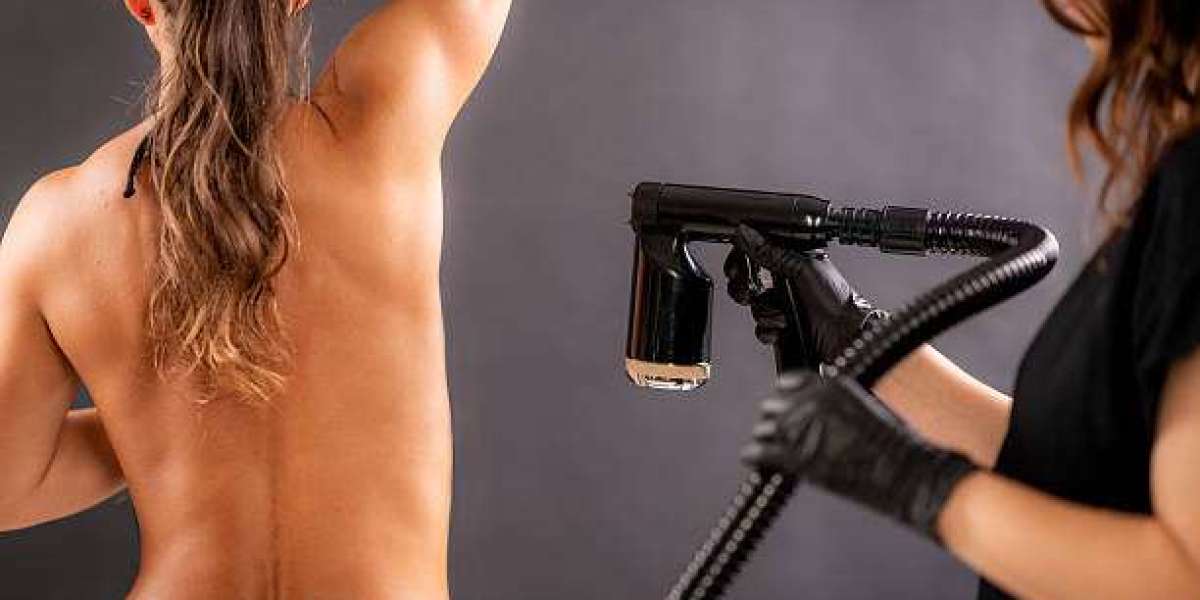
Streaks that reappear no matter what you try usually mean your skin's surface texture or the application method itself is the issue. Professional spray application coats the skin in a fine, even layer from a consistent distance. No dragging. No pooling. The difference in finish is pretty obvious once you've seen it side by side.
Orange Knees, Dark Ankles, and That Undertone Problem
High-friction zones are brutal. Knees, ankles, elbows, and knuckles all have thicker, drier skin that soaks up self-tanner way faster than the rest of your body. The result is that slightly orange, too-dark patch that reads as fake from across a room. Most at-home guides say "use less product on these areas," but honestly that's harder to do than it sounds, especially with foam or lotion that spreads fast.
A professional knows exactly how to prep those zones before application, sometimes using a barrier cream or a lighter pass with the spray gun. They also choose formulations that are calibrated for your skin tone, so the undertone actually matches you. According to research on how dihydroxyacetone reacts with skin proteins, the concentration of DHA matters a lot for undertone control, and that's something a pro can dial in far better than an off-the-shelf product can.
Your Tan Fades in Days, Not Weeks
A good spray tan should last about a week, give or take. If yours is patchy and half-gone by day three, that's a sign something is off. Fast fading usually points to one of a few things: skin that wasn't properly prepped before application, a pH imbalance that's preventing the DHA from bonding correctly, or a product formulation that just doesn't work well with your skin chemistry.
Rapid fading is frustrating. You spend the time, you do the prep, and by the weekend it looks like you've been wearing a tan suit that's starting to peel. A professional consultation can actually diagnose what's going wrong. They'll ask about your skincare routine, your skin type, and your history with self-tanners. That conversation alone is worth a lot. Most people never get that kind of feedback from a bottle.
If you've been layering product after product trying to extend wear time, stop. Buildup from multiple applications without proper removal in between leads to uneven, muddy color that's even harder to fix than starting fresh with a Sunslingers technician who can assess your skin before anything goes on it.
You Can't Cover Your Back Evenly
This one's simple. You can't reach your own back properly. Not consistently, not evenly. Most people do a rough sweep with a tanning mitt on an extendable handle and call it done, but the result is usually a patchwork of covered and uncovered skin with a pretty obvious contrast line right where your arm stopped reaching comfortably.
Back and shoulder blade coverage is one of the clearest reasons to go professional. A technician walks around you. They see every angle. They can spot a gap before it dries into a problem. For anyone who wears open-back tops, swimsuits, or anything that shows that area, uneven back coverage is the kind of thing other people notice even when you don't.
Your Skin Is Reacting and the Smell Won't Quit
Some skin irritation after self-tanning is common. But if you're getting persistent redness, itching, or a bumpy reaction that shows up every time you use a product, that's your skin telling you something. Layering different at-home products without fully removing the previous tan can also cause buildup that blocks pores and makes skin look dull and uneven between tans.
The smell is another thing. That biscuity, slightly chemical scent that lingers for a day or two after application comes from DHA reacting with your skin. Professional-grade formulas often include masking agents and skin-conditioning ingredients that make the smell much less noticeable. And because the application is done correctly in one even session, you're not re-applying to cover patches, which means less product overall and less of that reaction. A visit to a Spray Tanning Salon in Wildwood FL can give your skin a clean reset with a formula actually suited to it.
When to Stop Troubleshooting and Just Book It
There's a version of this where you keep trying. New brand, new technique, new prep routine. But after two or three rounds of the same result, you're not troubleshooting anymore. You're just spending money. The signs above are the clearest signals that at-home application has hit its ceiling for your skin.
Spray Tanning in Wildwood FL from a professional isn't just a convenience thing. It's a skill set, a product selection, and a process that's calibrated to you specifically. A Spray Tanning Salon in Wildwood FL does this every day and can usually spot your skin's issues in the first two minutes. That's not something a YouTube tutorial can replicate.
Frequently Asked Questions
Why does my self-tan always look orange?
Orange tones usually come from DHA concentrations that are too high for your skin tone, or from over-application on dry areas like knees and elbows. A professional can match the right formula to your skin and control how much product hits those problem zones.
How long should a spray tan actually last?
A properly applied professional spray tan typically lasts seven to ten days with good aftercare. If yours is fading in three or four days, something went wrong with prep, application, or product choice.
Can I fix a bad self-tan at home before seeing a pro?
Sometimes. A tan removal product or a long soak with an exfoliating mitt can fade uneven patches. But if the issue is recurring, fixing one bad tan and doing the same thing again is just going to get you the same result.
Is professional spray tanning safe for sensitive skin?
Generally yes, especially compared to layering multiple at-home products that your skin keeps reacting to. Professional formulas are often gentler, and a good technician will ask about sensitivities before they start. It's worth mentioning any history of reactions upfront.
How do I prepare for a professional spray tan appointment?
Exfoliate the day before, skip moisturizer and deodorant on the day of your appointment, and wear loose dark clothing afterward. Your technician will usually walk you through the specifics when you book, but those three steps cover most of it.
At some point, the honest answer is that the product isn't the problem and neither are you. Some results just need the right hands and the right setup to come out properly.