
Hair loss can affect appearance, confidence, and everyday social interactions. For people considering surgical hair restoration, understanding the complete journey is important before making a decision. A hair transplant involves moving healthy hair follicles from a donor area, usually the back or sides of the scalp, to areas affected by thinning or baldness. The process is carefully planned according to hair loss, donor hair availability, and the patient's desired appearance. For individuals considering Hair Transplant in Islamabad, knowing what happens from the first consultation through the final result can make the experience more predictable and comfortable.
Initial Consultation and Hair Assessment
The journey begins with a detailed consultation. During this appointment, a qualified hair-restoration professional evaluates the pattern and extent of hair loss, scalp condition, hair density, and the quality of the donor area. Medical history, previous hair-loss treatments, medications, and expectations may also be discussed.
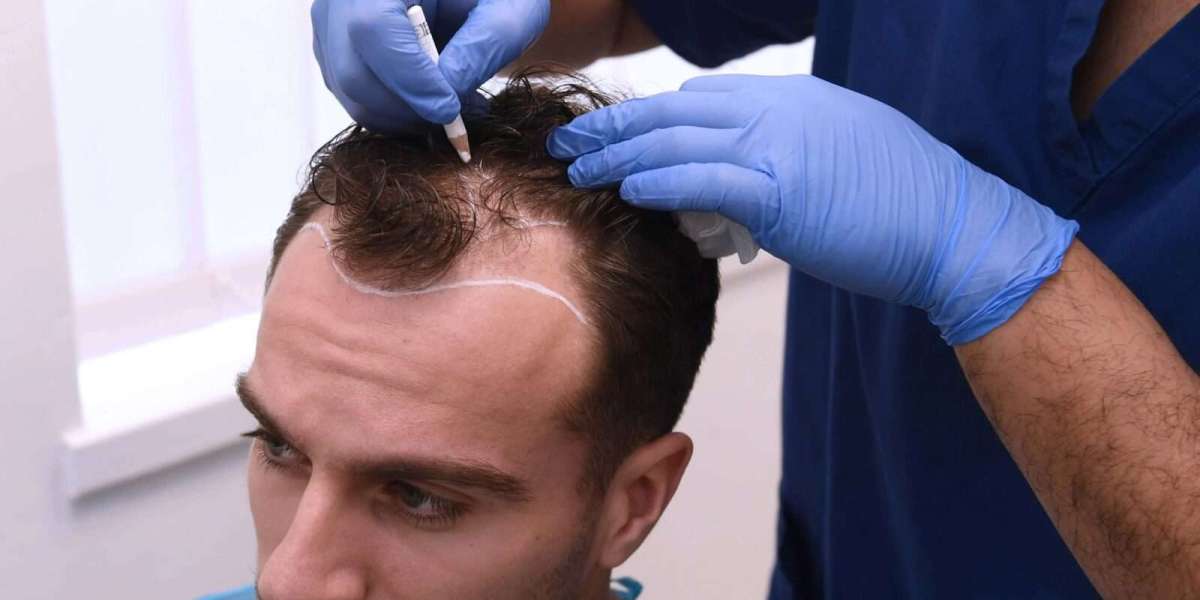
The consultation is important because not every person needs the same number of grafts or treatment approach. A realistic plan should consider existing hair loss as well as the possibility of future thinning. The specialist may also discuss whether the patient is a suitable candidate and what level of density can realistically be achieved.
Choosing the Right Hair Transplant Technique
Two commonly discussed techniques are FUE and FUT. Follicular Unit Extraction (FUE) involves removing individual follicular units from the donor area, while Follicular Unit Transplantation (FUT) involves removing a strip of scalp and separating it into individual grafts. Each technique has advantages and limitations, and the appropriate option depends on factors such as donor characteristics, treatment goals, and the extent of hair loss.
The objective is not simply to transplant as many grafts as possible. Careful planning is needed to create a natural-looking hairline and use the available donor hair efficiently.
Preparing for the Procedure
Before the procedure, patients receive instructions about washing the scalp, medications, smoking, alcohol, exercise, and other factors that could affect healing. It is important to disclose all medications and relevant medical conditions to the healthcare professional.
The procedure is generally performed under local anesthesia. Depending on the number of grafts and technique, the session may take several hours. During treatment, follicles are harvested from the donor area, prepared, and carefully placed into small recipient sites according to the planned hairline and density.
The First Days After Hair Transplant
The first few days are focused on protecting the newly transplanted grafts. Mild redness, swelling, tenderness, itching, and small scabs can occur. These effects are generally temporary, but individual recovery varies.
Patients should follow their provider's aftercare instructions carefully. Avoiding unnecessary touching or scratching of the scalp is important, while activities such as strenuous exercise and swimming may need to be restricted temporarily. FUE commonly involves small scabs that may remain for around one to two weeks.
Shedding and the Early Growth Stage
One of the most confusing stages is temporary shedding. Transplanted hairs can fall out during the first several weeks after surgery. This does not necessarily mean the transplant has failed because the follicle can remain beneath the skin and later produce new hair.
New growth usually becomes noticeable after several months. At first, the hairs may appear fine and uneven, so patients should avoid judging the final outcome too early.
When Will Final Results Appear?
Hair transplantation requires patience because hair grows gradually. Early new growth may become visible around three to four months, while noticeable improvement generally develops over the following months. Fuller results are commonly assessed around nine to twelve months, although some people may continue seeing maturation beyond one year.
The final appearance depends on factors including graft survival, donor hair quality, hair characteristics, the extent of hair loss, healing, and adherence to aftercare instructions. A successful result should aim for natural-looking coverage rather than an artificially dense appearance.
Frequently Asked Questions
Is a hair transplant permanent?
Transplanted follicles from suitable donor areas are generally more resistant to pattern hair loss and can provide long-term hair growth. However, existing non-transplanted hair may continue to thin over time, so ongoing hair-loss management may sometimes be recommended.
How long does recovery take?
Many patients can return to non-strenuous work within several days to about a week, depending on the procedure and individual healing. Scabbing and redness can take longer to disappear. Always follow your provider's specific recovery instructions.
Is hair shedding after transplantation normal?
Yes. Temporary shedding of transplanted hairs can occur during the early weeks. The follicles can remain intact and later produce new hair as part of the normal growth cycle.
When can I see noticeable hair growth?
New growth commonly begins around three to four months, but the hair initially tends to be fine. Density and thickness gradually improve over subsequent months.
Can everyone get a hair transplant?
Not everyone is an ideal candidate. Adequate donor hair, the pattern and stability of hair loss, scalp health, overall health, and realistic expectations all influence suitability. A professional assessment is necessary before deciding on treatment.
Final Thoughts
A hair transplant is a gradual process rather than an overnight transformation. From the initial consultation and treatment planning to recovery, temporary shedding, new growth, and final maturation, every stage plays a role in the outcome. Patients should choose qualified medical professionals, understand realistic expectations, and carefully follow aftercare guidance. With appropriate planning and patience, hair transplantation can provide long-term improvement in hair coverage and a more natural-looking hairline.