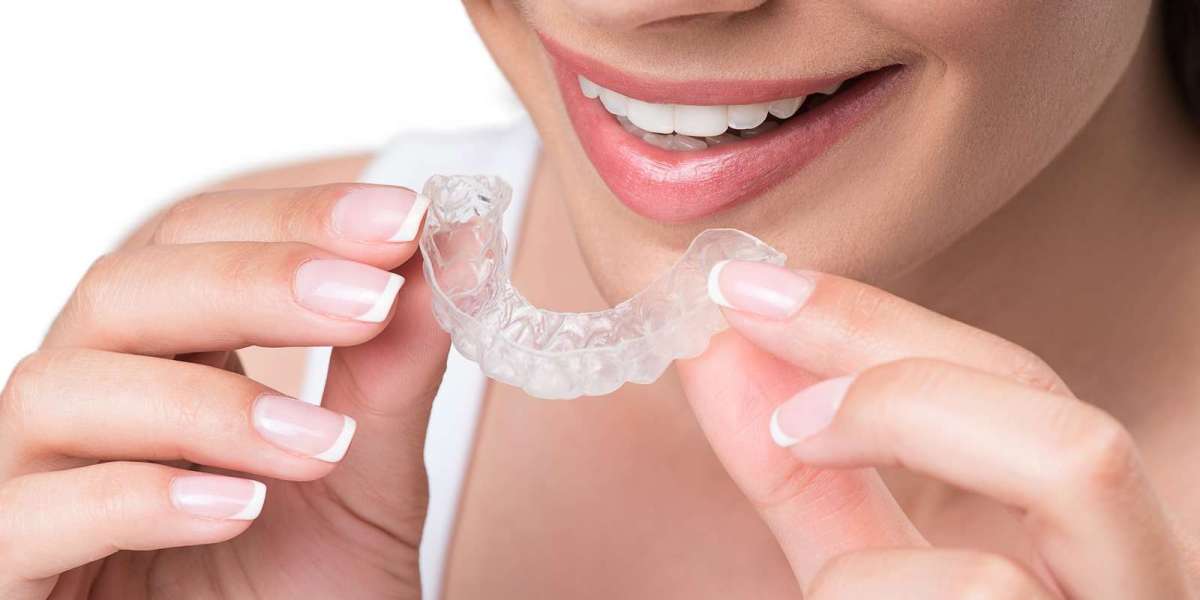

Choosing between different orthodontic treatments can be difficult when you want straighter teeth and a healthier-looking smile. Dental Aligners in Dubai have become an option for patients who prefer a discreet and removable approach, while traditional braces remain a widely used solution for many alignment and bite concerns.
Both treatments are designed to move teeth gradually, but they work differently and have different maintenance requirements. The right choice depends on the complexity of your orthodontic condition, oral health, lifestyle, treatment goals, and professional assessment.
What Are Dental Aligners?
Dental aligners are customized, transparent trays that fit over the teeth and gradually guide them toward planned positions. Patients typically progress through a series of trays throughout treatment.
Because aligners are removable, patients can take them out for meals and oral hygiene. However, this flexibility also means that successful treatment requires consistent patient cooperation.
How Clear Aligners Move Teeth
Each aligner is designed to create specific tooth movements. As you progress through the planned sequence, the position of the teeth gradually changes.
Digital scans, photographs, and other diagnostic information may be used to develop a personalized treatment plan when clinically appropriate.
Enfiled Dental clinic for Orthodontic Assessment
Patients comparing orthodontic options may consider Enfiled Dental clinic for professional dental assessment and treatment planning.
A consultation can evaluate tooth alignment, bite, gum health, existing restorations, and other factors that may affect orthodontic treatment. Based on these findings, a dental professional can explain whether clear aligners, traditional braces, or another approach is more suitable.
Understanding your specific dental condition is more important than choosing a treatment based only on appearance.
What Are Traditional Braces?
Traditional braces use brackets attached to the teeth and wires that apply controlled forces to gradually change tooth position.
They remain fixed throughout active treatment and require professional adjustments or monitoring at scheduled appointments.
How Fixed Braces Work
The orthodontic system applies carefully planned pressure to move teeth. Different components can be adjusted throughout treatment according to the patient's progress.
Traditional braces can be used for a broad range of orthodontic concerns, including cases that may be too complex for certain aligner systems.
Which Treatment Is More Discreet?
Appearance is one of the main differences between the two options. Clear aligners are generally less noticeable because they are made from transparent material.
Traditional braces are more visible because brackets and wires remain attached to the teeth.
Clear Aligners and Appearance
Patients who are concerned about the appearance of orthodontic appliances may prefer aligners when they are clinically suitable.
However, the visual advantage should be considered alongside treatment effectiveness and the patient's ability to follow the required wearing schedule.
Which Option Is More Comfortable?
Both orthodontic treatments can cause temporary pressure or discomfort as teeth move. Clear aligners may feel tight when a new tray is introduced, while braces can sometimes cause irritation from brackets or wires.
Individual experiences vary.
Adjusting to Orthodontic Treatment
Patients generally need an adjustment period with either option. Clear aligners may cause temporary changes in speech, while traditional braces may require patients to become familiar with brackets and wires.
Any persistent or significant discomfort should be discussed with your dental professional.
Are Dental Aligners Easier to Clean?
One advantage of removable aligners is that patients can remove them before brushing and cleaning between their teeth. This allows their normal oral hygiene routine to continue with fewer physical obstacles.
Traditional braces require additional care around brackets and wires.
Oral Hygiene With Aligners
Patients should clean their teeth before putting aligners back in whenever appropriate. Cleaning the trays according to professional instructions is also important.
Good oral hygiene helps reduce plaque buildup during orthodontic treatment.
Oral Hygiene With Traditional Braces
Brackets and wires can create additional areas where plaque and food particles accumulate. Patients need to spend extra time cleaning around these components.
Specialized orthodontic cleaning tools may help reach difficult areas.
Preventing Plaque Buildup
Regular brushing and interdental cleaning are essential during fixed orthodontic treatment.
Professional dental checkups can also help monitor the condition of the teeth and gums while braces are in place.
Which Treatment Allows More Food Choices?
Clear aligners are generally removed before eating, which means patients can continue eating a wide variety of foods. They should clean their teeth before replacing the trays.
Traditional braces remain attached during meals, so patients may need to avoid certain hard, sticky, or excessively chewy foods.
Eating During Orthodontic Treatment
Patients with braces should follow their orthodontist's dietary recommendations to reduce the risk of broken brackets or damaged wires.
Aligner users still need to maintain healthy dietary habits even though the trays are removed while eating.
Do Dental Aligners Require More Discipline?
Because aligners are removable, patients must remember to wear them according to the prescribed schedule. Frequently leaving them out can interfere with planned tooth movements.
Traditional braces remain fixed, so patients do not have to remember to put them back in.
Patient Compliance Matters
The success of aligner treatment depends significantly on following professional instructions. Patients should wear, clean, store, and replace their trays as directed.
This makes aligners particularly suitable for patients who can consistently follow their treatment plan.
Can Both Treatments Correct Crowded Teeth?
Both aligners and braces can be used to treat certain cases of dental crowding. The appropriate choice depends on how severe the crowding is and what type of tooth movement is required.
Assessing Treatment Complexity
Mild or moderate crowding may be suitable for aligner treatment in some patients. More complex cases may benefit from traditional braces or another orthodontic approach.
A professional examination is necessary before deciding.
Can Both Options Correct Bite Problems?
Orthodontic treatment can address certain bite concerns, but not every bite problem can be treated in the same way.
The complexity of the bite, jaw relationship, tooth position, and required movement all influence treatment planning.
Why Diagnosis Is Important
An orthodontic assessment can determine whether aligners can achieve the required movements or whether fixed appliances would provide a more appropriate solution.
Never choose an orthodontic treatment solely because it appears more convenient.
Which Treatment Takes Less Time?
There is no universal answer. Treatment duration depends on the patient's condition, the amount of tooth movement required, compliance, and biological response.
Some simple cases may be completed relatively quickly, while complex orthodontic treatment can take longer.
Personalized Treatment Duration
Your dental professional can provide an estimated timeline after assessing your teeth and developing a treatment plan.
Comparing your expected treatment time with someone else's may not provide an accurate indication of your own treatment.
What About Dental Appointments?
Both treatments require professional monitoring. Patients using aligners may receive new trays or have their progress reviewed, while patients with traditional braces usually require periodic adjustments.
The exact appointment schedule depends on the treatment plan.
Regular Monitoring
Follow-up appointments allow the dental professional to check tooth movement and identify any concerns.
Skipping appointments may interfere with treatment progress and should be avoided unless discussed with your provider.
What Happens After Orthodontic Treatment?
Regardless of whether you choose aligners or braces, retention is an important part of maintaining the result.
Teeth can naturally shift after active orthodontic treatment, so retainers are commonly recommended.
The Importance of Retainers
Your dental professional will explain when and how to wear your retainer. Consistent retention can help maintain the alignment achieved during treatment.
Long-term retention requirements vary from patient to patient.
Which Option Is Better for Adults?
Many adults consider clear aligners because they are discreet and removable. They can fit conveniently into professional and social routines when patients follow the prescribed wearing schedule.
Traditional braces can also be effective for adults when clinically appropriate.
Lifestyle Considerations
Adults should consider how each treatment fits their daily routine, oral hygiene habits, diet, and ability to attend appointments.
A professional consultation can help balance lifestyle preferences with clinical requirements.
Which Option Is Better for Teenagers?
Teenagers may be candidates for either aligners or traditional braces depending on their dental development and orthodontic condition.
The ability to follow instructions is particularly important when using removable aligners.
Supporting Treatment Compliance
Parents and teenagers should understand the responsibilities involved in aligner care, including wearing, cleaning, storing, and replacing trays.
Traditional braces may be more suitable when consistent removable-appliance use is likely to be difficult.
How Should You Make the Final Choice?
The best orthodontic option is not necessarily the one that looks most convenient. Treatment effectiveness, oral health, bite concerns, lifestyle, compliance, and professional recommendations all matter.
Discuss Your Options With a Professional
During your consultation, ask about expected treatment duration, maintenance, costs, potential limitations, and retention.
Understanding these factors can help you choose an option that fits both your dental needs and daily routine.
Final Thoughts
Dental aligners and traditional braces can both help improve tooth alignment, but they are designed differently and are not interchangeable for every patient. Aligners offer a discreet and removable option, while traditional braces provide fixed orthodontic treatment that can be appropriate for a wide range of cases.
If you are considering Dental Aligners in Dubai, schedule a professional orthodontic assessment before making a decision. A qualified dental professional can evaluate your teeth, gums, bite, and treatment goals and recommend the approach most appropriate for your individual smile.