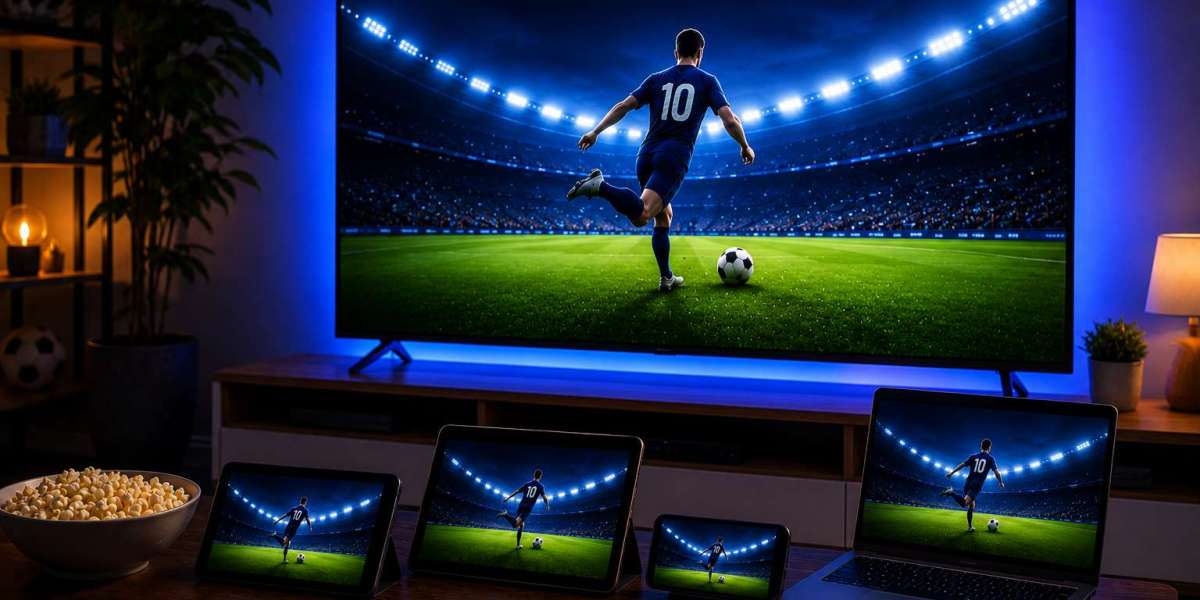

Television has become less about simply turning on a set and more about deciding what, where, and when to watch. Viewers now move between live broadcasts, streaming apps, smart TVs, phones, and other connected devices as part of ordinary routines. Recent industry research reflects that shift, with streaming accounting for 58.6% of TV viewing time in the first quarter of 2026 in one large smart-TV measurement study.
But having more technology doesn't automatically create a better experience. Modern viewers are becoming more selective about what they expect from television. They want useful choices without unnecessary complexity.
Easy Access Is Becoming Essential
Nobody wants to spend several minutes searching through menus before finding something worth watching.
Easy content discovery has therefore become an important part of the television experience. Search tools, organized categories, electronic program guides, and simple interfaces can make a significant difference.
Recent research from Hub Entertainment Research found that easy search was the most important discovery feature among the options surveyed, with 60% of respondents calling it very important.
The lesson is straightforward: viewers value technology that helps them find content quickly.
Flexibility Matters More Than Fixed Routines
Modern schedules are rarely predictable. Work, school, travel, family responsibilities, and social activities can all affect when someone has time to watch television.
This has increased interest in features that make viewing less dependent on a particular schedule. Depending on the service, viewers may use catch-up programming, time-shifted content, recording functions, or on-demand libraries.
A 2026 TV streaming report found that time-shifted viewing and multi-device use were among the leading advantages users associated with streaming.
Viewers Want More Device Choices
The television screen remains important, but it is no longer the only screen people use.
Smart TVs, smartphones, laptops, tablets, and streaming devices can all play different roles. A large screen may be ideal for a family movie, while a phone or tablet can be more practical when someone is away from the living room.
This multi-screen behavior has become increasingly common, making device compatibility a practical consideration for modern television services.
Live Television Still Has a Place
The growth of streaming doesn't mean viewers have stopped caring about live programming. Sports, news, concerts, and major events still create a strong reason to watch in real time.
Recent Ofcom research found that 85% of sports viewing in the UK during 2025 was watched live, demonstrating that live television continues to matter even as viewing habits become more digital.
Modern viewers therefore aren't necessarily choosing between live and on-demand content. Many want access to both.
Reliability Is Part of the Experience
Convenience loses its value when playback constantly stops.
A reliable television experience depends on several factors, including the service itself, internet bandwidth, Wi-Fi performance, device capabilities, and network congestion. Households with several connected devices need enough capacity to handle simultaneous activities.
For viewers considering more details about modern television options, it is worth looking beyond content lists and considering how the service performs under normal household conditions.
Simplicity Is Still Valuable
More features don't always mean a better experience.
Modern smart TVs can offer numerous apps, recommendations, settings, and connected functions, but excessive complexity can make basic tasks harder. Recent reporting has even highlighted viewers who are simplifying their smart TVs because of concerns about performance and unnecessary functionality.
The ideal television experience should make useful technology feel simple rather than overwhelming.
Personal Choice Is Becoming Normal
Different viewers naturally have different priorities. One person may care most about sports, another about international programming, and someone else about movies or documentaries.
A flexible television environment allows people to personalize their viewing without requiring every household member to follow exactly the same routine.
At the same time, shared viewing remains important. The living room continues to function as a social space, particularly for major events and evening entertainment.
A Better Balance Between Choice and Convenience
The modern television experience is ultimately about balance. Viewers want variety, but they also want simplicity. They want flexibility without sacrificing reliability. They want access across devices while still enjoying the traditional large-screen experience.
As television becomes increasingly connected, services that understand these expectations are more likely to provide an experience that feels genuinely useful.
Final Thoughts
Modern viewers aren't simply asking for more television. They are asking for television that works better with the way they live.
Easy discovery, flexible viewing, reliable performance, device compatibility, live programming, and sensible interfaces have all become important parts of the experience. The future of television will likely depend less on how many features a platform can offer and more on how effectively those features help people watch what they want with minimal friction.