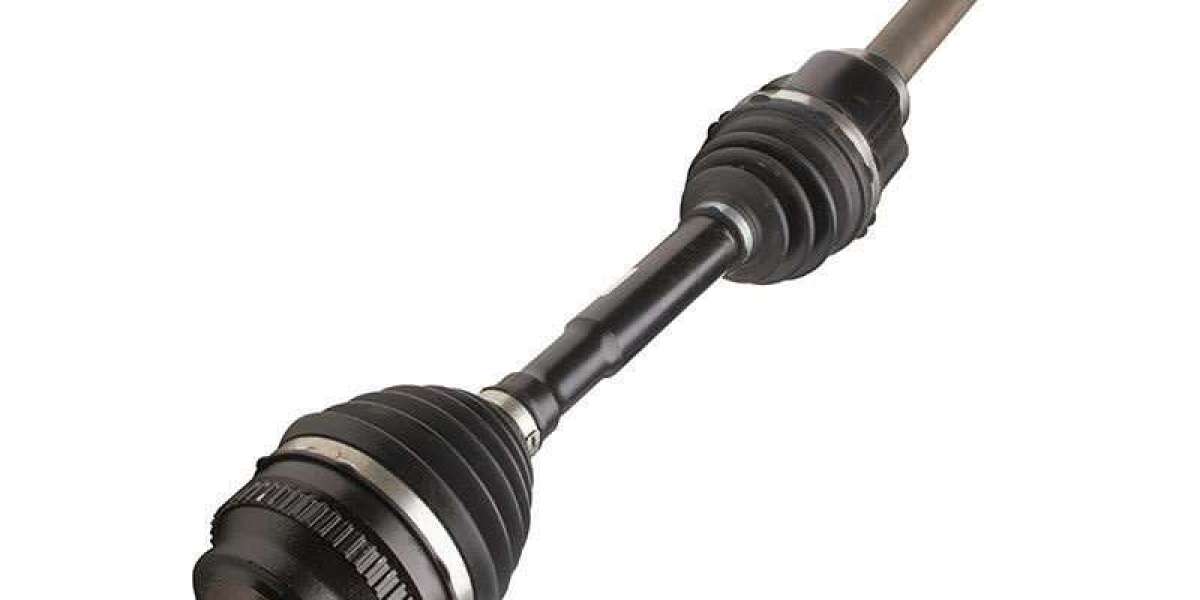

A shudder at low speeds can be an uncomfortable driving experience and may indicate an issue with the vehicle’s driveline, transmission, wheels or other mechanical components. You might notice the car shaking or vibrating when pulling away from a stop, manoeuvring through traffic, turning into a street or travelling slowly uphill.
Although some low-speed vibrations can be caused by tyres or road surfaces, a recurring shudder should not be ignored. Identifying when the vibration occurs and whether it happens during acceleration, braking or turning can help narrow down the possible cause.
Worn CV Joints
CV joints are responsible for transferring engine power to the wheels while allowing the suspension and steering system to move. Because they operate under constant load, they can eventually become worn.
A worn CV joint may cause vibration, clicking or shuddering, particularly during acceleration or when turning at low speeds. In some cases, the problem may become more noticeable when making tight turns.
If the joint has excessive wear, professional CV joints Melbourne services can help identify whether the component needs repair or replacement.
Damaged CV Boots
The protective boot surrounding a CV joint helps retain grease and prevents dirt and moisture from reaching the joint. If the boot becomes cracked, split or damaged, grease can escape and contaminants can enter.
A damaged boot does not always cause an immediate shudder, but continuing to drive with a compromised boot can accelerate CV joint wear. Checking the boots regularly can therefore help identify potential problems before they become more serious.
If you notice grease around the inside of a wheel or suspension area, it may be worth arranging an inspection. CV boots Melbourne specialists can assess the boot and the condition of the joint underneath it.
Tailshaft and Driveline Issues
On rear-wheel-drive and four-wheel-drive vehicles, the tailshaft plays an important role in transferring power from the transmission or transfer case towards the differential.
Wear in the tailshaft assembly can result in vibration, shuddering or unusual noises. The symptoms may become more noticeable when accelerating from a low speed because the driveline is placed under greater load.
Loose or worn universal joints, damaged components or excessive movement can all contribute to driveline vibrations. An inspection can determine whether the tailshaft itself is responsible or whether another component is creating the problem.
For vehicles showing signs of driveline wear, tailshaft repairs Melbourne services can help diagnose and address problems affecting the tailshaft assembly.
Tailshaft Balance Problems
A tailshaft needs to rotate smoothly and remain properly balanced. If it becomes bent, damaged or incorrectly balanced, vibration can develop while driving.
Although balance-related problems can become more noticeable as speed increases, certain driveline conditions can also create vibration during low-speed acceleration.
Tailshaft balancing Melbourne services can assess whether the shaft has a balance issue and determine whether balancing, repair or reconditioning is appropriate.
It is important to distinguish between a balance problem and excessive play in a driveline component. Both can create vibration, but they require different solutions.
Worn Universal Joints
Universal joints allow driveline components to operate through changing angles while transferring rotational power. Over time, they can develop wear or excessive movement.
A worn universal joint may cause a noticeable shudder when taking off from a stationary position or changing between acceleration and deceleration. Some drivers may also hear a clunk when the vehicle changes load.
Because several driveline components work together, diagnosing the source of the vibration is important before replacing individual parts.
Transmission Problems
The transmission can also contribute to shuddering at low speeds. Automatic vehicles may experience a vibration or hesitation during gear changes, particularly if there is an issue with transmission components or fluid condition.
A shudder that consistently occurs at a particular shift point may be different from a vibration that occurs only when turning or accelerating.
If the shudder is accompanied by delayed engagement, harsh gear changes, unusual noises or warning lights, professional inspection is recommended.
Engine and Transmission Mounts
Engine and transmission mounts are designed to hold the powertrain securely while controlling normal movement.
When a mount becomes worn or damaged, the engine or gearbox may move excessively when the vehicle accelerates, decelerates or changes gear. This movement can sometimes be felt as a shudder or accompanied by a clunk.
Mounting problems can produce symptoms similar to driveline issues, so a complete inspection is useful when the source of the vibration is unclear.
Wheel and Tyre Problems
Not every shudder comes from the driveline. Tyres and wheels can also create vibrations.
An incorrectly balanced wheel, damaged tyre, bent wheel or uneven tyre wear can affect the smoothness of the vehicle. Some wheel-related vibrations become more obvious at certain speeds, while others may be felt during acceleration or when travelling over uneven surfaces.
Checking tyre condition, wheel balance and wheel alignment can help rule out these simpler causes.
Steering and Power Steering Components
If the shudder occurs mainly while turning at low speeds, steering components may also need to be considered.
Wear in steering joints, bushes or other steering components can cause vibration, knocking or unusual feedback through the steering wheel. Problems with the power steering system may also affect how the vehicle feels during slow manoeuvres.
If you experience steering play, unusual noises or difficulty turning, a professional inspection should be arranged. Power steering rack Melbourne services can help identify whether the steering rack or another component is contributing to the problem.
When Should You Have the Vehicle Inspected?
A mild vibration caused by an uneven road surface may not indicate a mechanical problem. However, a shudder that happens repeatedly should be investigated.
Consider arranging an inspection if you notice:
- Shuddering whenever you accelerate from a stop
- Vibration during low-speed turns
- Clicking or knocking noises
- A clunk when changing between acceleration and braking
- Grease around a CV boot
- Steering wheel vibration
- Unusual driveline movement
- Increasing vibration over time
Early diagnosis can help prevent worn components from causing additional damage.
How Is a Low-Speed Shudder Diagnosed?
A technician will generally consider when the shudder occurs and whether it changes under different driving conditions. The vehicle may need to be inspected for worn joints, damaged boots, driveline movement, shaft balance, suspension wear, mounting problems and wheel or tyre issues.
The location and timing of the vibration are particularly useful. A shudder during acceleration may point towards a different issue than one that occurs only while turning or braking.
Because several mechanical systems can produce similar symptoms, replacing parts without confirming the cause may not resolve the problem.
Final Thoughts
A low-speed shudder can have several possible causes, ranging from worn CV joints and damaged boots to tailshaft, universal joint, transmission, mounting, wheel or steering problems.
Pay attention to when the shudder occurs and whether it is accompanied by noises, steering changes or vibration. If the issue is persistent or becoming worse, having the vehicle professionally inspected can help identify the source and prevent further damage.