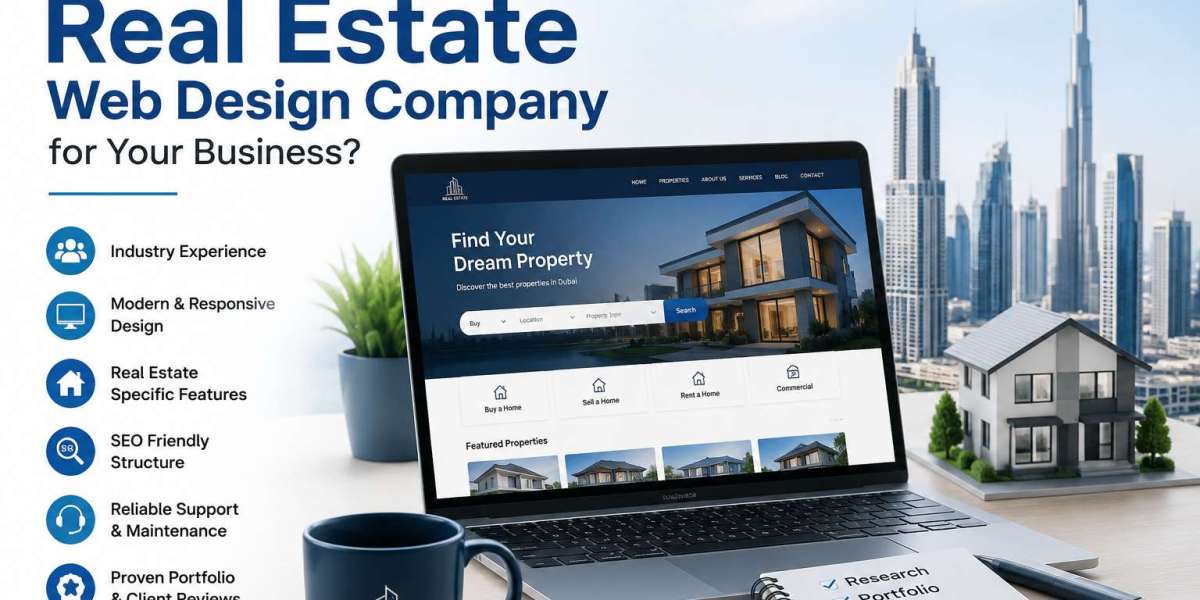

In today's competitive property market, your website is often the very first impression a potential buyer, seller, or renter will have of your business. Long before a prospect calls your office or walks into an open house, they are scrolling through your listings, judging your credibility, and deciding whether you're worth their trust. That's why choosing the right real estate web design company isn't just a technical decision — it's a business-critical one.
A poorly designed website can cost you leads, credibility, and revenue, while a well-built one can become your most powerful sales tool, working around the clock to generate inquiries. This article walks you through everything you need to consider before hiring a real estate web design company, so you can make a confident, informed choice.
Why Your Website Matters More Than Ever in Real Estate
The real estate industry has become deeply digital. Buyers now browse dozens of listings online before ever contacting an agent, and sellers research agencies thoroughly before signing a contract. Your website functions as your digital storefront, your lead-generation engine, and your brand's credibility statement — all at once.
A generic, outdated, or slow website signals to visitors that your business may be outdated too. On the other hand, a modern, fast, and intuitive website builds instant trust and encourages visitors to stay longer, browse more listings, and ultimately reach out. This is precisely why the web design company you choose has a direct impact on your bottom line.
Key Factors to Consider When Choosing a Real Estate Web Design Company
1. Industry-Specific Experience
Not all web design companies understand the unique needs of real estate businesses. Look for a company that has specifically worked with real estate agents, brokerages, or property management firms before. Industry experience means they already understand things like MLS (Multiple Listing Service) integration, IDX (Internet Data Exchange) feeds, property search filters, and lead capture workflows tailored to real estate buyers and sellers.
Ask for case studies or examples of real estate websites they've built. A company with a strong real estate portfolio will save you time explaining industry basics and will likely anticipate features you hadn't even considered.
2. IDX and MLS Integration Capabilities
One of the most critical technical requirements for any real estate website is seamless IDX/MLS integration. This feature allows your website to automatically pull and display live property listings from your local MLS database, keeping your site updated without manual work.
When evaluating a web design company, ask specific questions such as:
- Do they have experience integrating with your local MLS provider?
- Is the IDX integration fully customizable to match your site's design?
- Will listings update in real time or with a delay?
- Are there ongoing fees for IDX integration and maintenance?
A company that can't clearly answer these questions may not be the right technical fit for a real estate-focused project.
3. Mobile Responsiveness and Performance
More than half of real estate website traffic now comes from mobile devices, as buyers frequently browse listings on their phones while out and about. This makes mobile responsiveness non-negotiable. Your chosen company should design with a mobile-first approach, ensuring your site looks and functions flawlessly across smartphones, tablets, and desktops.
Equally important is website speed. Slow-loading pages — especially those with heavy images of properties — can drive potential clients away within seconds. Ask potential partners how they optimize image loading, caching, and overall site performance.
4. Lead Generation and CRM Integration
A beautiful website is only valuable if it converts visitors into leads. The right web design company should build in strategic lead-capture tools such as:
- Property inquiry forms
- Instant home valuation tools
- Newsletter and market update sign-ups
- Live chat or chatbot functionality
- Scheduling tools for property viewings
Additionally, ask whether the company can integrate your website with your existing CRM (Customer Relationship Management) system, or recommend one that syncs leads automatically. This integration ensures no potential client falls through the cracks.
5. SEO-Friendly Design
A stunning website that no one finds on Google isn't doing its job. Search Engine Optimization (SEO) should be built into the website's foundation, not added as an afterthought. This includes clean code structure, fast load times, proper use of headings, optimized image alt text, mobile usability, and SEO-friendly URL structures for property listings and location pages.
Ask the web design company about their approach to local SEO specifically, since real estate is an inherently location-based business. A company experienced in real estate SEO will understand how to help your site rank for searches like "homes for sale in [city name]."
6. Customization vs. Template-Based Solutions
Many web design companies offer pre-built templates, which can be more affordable and faster to launch. However, templates often limit your branding flexibility and may result in a website that looks similar to competitors using the same theme.
Consider whether your business needs a fully custom design or whether a high-quality, customizable template will suffice. Ask to see examples of both template and custom projects so you can compare quality, uniqueness, and functionality before deciding which route fits your budget and brand goals.
7. Portfolio and Client Reviews
Before signing any contract, thoroughly review the company's portfolio of previous work. Look specifically for real estate websites and evaluate their design quality, ease of navigation, and overall user experience. Visit a few of their live sites, browse through the listings, and test the mobile version.
Beyond the portfolio, check client testimonials and independent reviews on platforms like Google, Clutch, or Trustpilot. Reach out directly to past clients if possible, and ask about their experience regarding communication, project timelines, and post-launch support.
8. Ongoing Support and Maintenance
A real estate website is not a one-time project — it requires ongoing updates, security patches, and technical support. Before hiring a company, clarify:
- Do they offer post-launch maintenance packages?
- What is their average response time for support requests?
- How do they handle plugin updates, security monitoring, and backups?
- Is there a dedicated point of contact after the project is complete?
A company that disappears after launch can leave you stranded when technical issues arise, so ongoing support should be a major deciding factor.
9. Pricing Transparency
Pricing for real estate web design can vary widely depending on complexity, features, and the company's experience level. Request a detailed, itemized quote that outlines exactly what's included — design, development, IDX integration, hosting, SEO setup, and maintenance.
Be cautious of quotes that seem unusually low, as this can sometimes indicate hidden fees, limited functionality, or subpar code quality. Compare quotes from at least three companies to get a realistic sense of the market rate for the features you need.
10. Communication and Project Management
Finally, consider how well the company communicates throughout the process. A strong web design partner should provide a clear project timeline, regular updates, and a structured process for feedback and revisions. Poor communication often leads to missed deadlines, misunderstood requirements, and frustrating back-and-forth during development.
During your initial conversations, pay attention to how responsive and clear they are. This is often a good indicator of what working with them will be like throughout the entire project.
Red Flags to Watch Out For
While evaluating potential partners, be alert to warning signs such as a lack of real estate-specific examples in their portfolio, vague answers about IDX/MLS integration, no clear post-launch support plan, unusually low pricing with no itemized breakdown, and poor or delayed communication during the sales process itself. These red flags often foreshadow bigger problems once the project begins.
Final Thoughts
Choosing the right real estate web design company is a decision that directly influences your ability to attract, engage, and convert potential clients online. By prioritizing industry experience, IDX/MLS integration, mobile responsiveness, SEO, lead generation tools, and reliable ongoing support, you'll be well-equipped to select a partner who can build a website that truly works for your business.
Take your time during the evaluation process, ask detailed questions, and don't hesitate to request references or live examples. The right web design partner won't just build you a website — they'll help build the digital foundation for your long-term business growth.