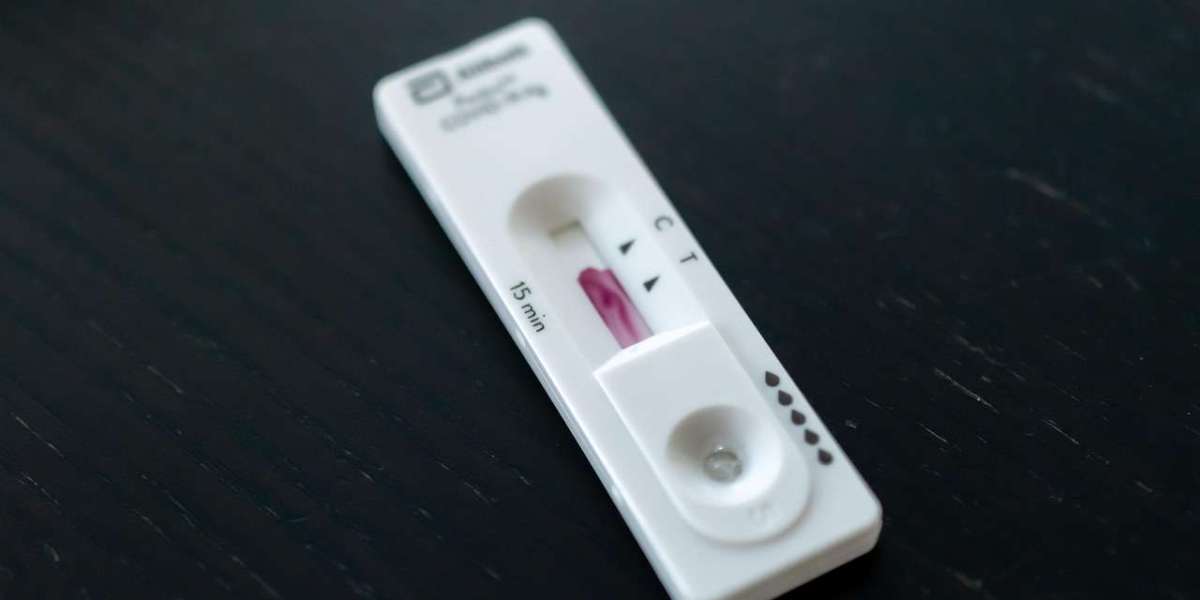

An HPV Test Dubai can be an important part of cervical health screening for eligible individuals. Human papillomavirus is common, and certain high-risk types can contribute to cervical cancer when an infection persists. Because HPV often causes no noticeable symptoms, regular screening can help identify potential risks before serious cervical changes develop.
Knowing who should consider screening and when follow-up may be needed can help you make informed decisions about your cervical health.
STD Testing in Dubai: Understanding HPV Screening
STD Test in Dubai can include tests for various sexually transmitted infections, while HPV testing for cervical screening has a specific purpose.
An HPV screening test generally looks for high-risk HPV types associated with cervical cancer. It is not a universal test for every HPV type and does not replace other STI tests when they are medically appropriate.
Who Should Consider HPV Screening?
The recommended age and frequency of cervical screening depend on local guidelines, age, previous results, and individual circumstances.
People who fall within the recommended cervical screening age range may be advised to undergo HPV-based screening at regular intervals.
Your healthcare professional can explain when screening should begin and how often it should be repeated based on the guidelines applicable to you.
Why Is Regular Screening Important?
High-risk HPV can remain present without producing symptoms.
A person may therefore feel completely healthy while having an HPV infection that requires monitoring. Regular screening can identify high-risk HPV and help determine whether additional assessment is necessary.
WHO recommends HPV DNA testing as a highly effective approach to cervical cancer screening where appropriate screening programmes are available.
Should You Screen If You Have No Symptoms?
Yes. Cervical screening is generally intended for people who may have no symptoms.
Waiting for symptoms is not a reliable way to identify high-risk HPV because many infections remain unnoticed.
Screening can help detect risk before cervical cancer develops.
What If You Previously Had HPV?
If you have previously tested positive for high-risk HPV, following the recommended follow-up schedule is especially important.
Depending on the result and your previous screening history, your healthcare professional may recommend repeat HPV testing, cervical cell assessment, or further examination.
A previous positive result does not automatically mean that you will develop cancer.
What If Your Previous HPV Test Was Negative?
A previous negative result means that the relevant high-risk HPV types were not detected at that time.
However, it does not mean that you will never need another test. Continued screening is important because HPV infection can occur later.
Follow the screening interval recommended by your healthcare professional.
Should You Test After a New Sexual Partner?
A new sexual partner can be a reason to discuss sexual health testing, particularly if you have concerns about STI exposure.
However, HPV cervical screening is generally guided by cervical screening recommendations rather than simply being required after every new partner.
If you are concerned about a recent sexual exposure, discuss it with a healthcare professional to determine which tests may be appropriate.
Can Men Have HPV?
Yes. HPV can infect people of any sex.
However, routine cervical HPV screening specifically applies to people with a cervix and is designed primarily for cervical cancer prevention.
People without a cervix may still have HPV and may develop other HPV-related conditions, but testing recommendations are different and depend on individual circumstances.
Can HPV Be Detected Without Symptoms?
Yes. Many HPV infections are asymptomatic.
This means that symptoms are not a reliable indicator of whether high-risk HPV is present.
Regular screening can therefore be valuable even when there are no obvious signs of infection.
What Happens During HPV Screening?
For conventional cervical screening, a healthcare professional collects a sample of cells from the cervix.
The sample is sent to a laboratory to determine whether relevant high-risk HPV types are detected.
In some screening programmes, self-collected samples may also be available. WHO recognizes self-collected samples as an option for HPV DNA testing within appropriate screening programmes.
What Does a Positive Result Mean?
A positive HPV result means that a relevant high-risk HPV type or group was detected.
It does not mean that cervical cancer is present.
Many HPV infections become undetectable over time. However, persistent high-risk HPV can increase the risk of cervical abnormalities, which is why follow-up may be recommended.
What Does a Negative Result Mean?
A negative HPV result means that the high-risk HPV types targeted by the test were not detected.
This is generally reassuring, but you should still continue screening according to the recommended schedule.
A negative result does not mean that every type of HPV is absent from the body.
What Happens After an Abnormal Result?
Depending on your HPV result and screening history, your healthcare professional may recommend repeat testing or additional assessment.
Further evaluation can help determine whether cervical cell changes are present and whether monitoring or treatment is needed.
Completing follow-up is an important part of cervical cancer prevention.
Can HPV Vaccination Replace Screening?
No. HPV vaccination can protect against several HPV types associated with cancers and genital warts, but it does not protect against every high-risk type.
People who are eligible for cervical screening should continue following recommended screening guidelines even after receiving the vaccine.
When Should You Speak With a Healthcare Professional?
You should consider speaking with a healthcare professional if you are unsure whether you are due for cervical screening, have previously received a positive HPV result, have been advised to repeat testing, or have symptoms that concern you.
Professional guidance can help determine which screening or diagnostic tests are appropriate.
Final Thoughts
An HPV Test Dubai can help identify high-risk HPV and support early detection of cervical health risks. Regular screening is particularly important because HPV can remain unnoticed without symptoms.
STD Testing in Dubai can cover a broader range of sexual health concerns, while HPV screening focuses on high-risk HPV relevant to cervical cancer prevention. If you are unsure whether you should be screened or need follow-up after a previous result, speak with a qualified healthcare professiona