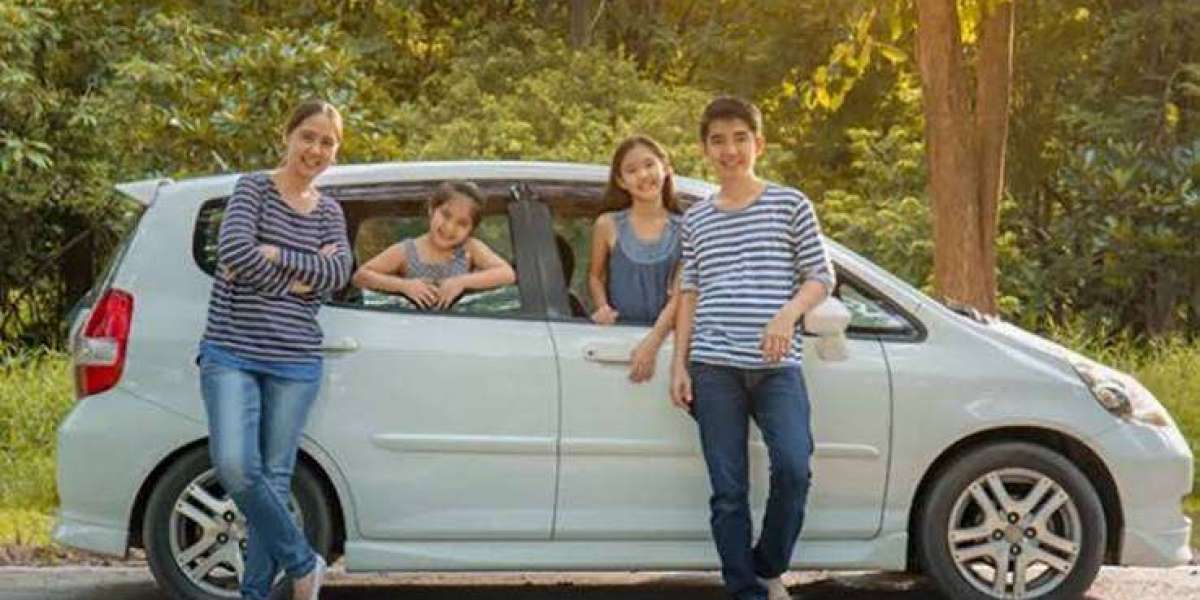

Choosing a family car is an important decision because the vehicle needs to do more than simply take you from one place to another. A good family car should provide safety, comfort, enough space, reliable performance, reasonable fuel economy, and affordable maintenance. It should also match your family's daily routine and the road conditions you normally face in Pakistan.
Whether you have a small family, children, elderly passengers , or need a car for frequent long-distance trips, the right choice depends on several practical factors. This guide explains how to choose a family car step by step so you can make a confident and informed buying decision.
Understand Your Family's Requirements
Before comparing different models, think about how your family will actually use the vehicle. Start with the number of people who normally travel together. A small family may find a five-seat hatchback or sedan practical, while a larger family may need a seven-seater SUV or MPV.
Your daily routine also matters. If you mainly drive through busy city streets, a compact and fuel-efficient car can make parking and commuting easier. If you regularly travel between cities, look for better highway comfort, luggage space, stable handling, and strong air conditioning.
Think About Future Needs
Do not choose a car only for your current situation. A growing family may need additional seating, more luggage space, or room for child seats in the future. Spending slightly more on practical space today can prevent another vehicle upgrade later.
Set a Realistic Budget
Your family-car budget should include more than the purchase price. Consider registration, insurance, fuel, routine maintenance, tyres, battery, repairs, and depreciation before making your decision.
A car that looks affordable at the showroom may become expensive if it has poor fuel economy or costly spare parts. Similarly, a slightly more expensive car can sometimes provide better value when it offers stronger reliability and lower running costs.
If you are working with a limited budget, researching options such as the best car under 30 lacs in Pakistan can help you identify vehicles that offer a useful balance of price, features, and family practicality.
Calculate Total Ownership Cost
Think about your expected monthly fuel expenses and annual maintenance. Also check the availability and price of common replacement parts. These factors become especially important when you plan to keep the vehicle for several years.
Choose the Right Body Type
There is no single body style that works for every family. Your choice should depend on passenger requirements, roads, parking conditions, and budget.
Hatchbacks for Small Families
Hatchbacks are often practical for small families because they are easy to drive and park. Their compact size works well in crowded cities, while efficient engines can keep daily fuel expenses under control.
However, some small hatchbacks have limited rear-seat and luggage space, so check the cabin carefully before buying.
Sedans for Comfort and Practicality
Sedans provide a good balance between passenger comfort, boot space, and highway performance. Their separate luggage compartment can be useful for families carrying groceries, school bags, or travel luggage.
A sedan can be an excellent choice if your family mainly consists of four or five people and you do not regularly need a third row.
SUVs and Crossovers
SUVs and crossovers appeal to families that want additional ground clearance, a higher driving position, and more cabin space. They can be useful on uneven roads, speed breakers, and longer journeys.
However, a larger vehicle can consume more fuel and may cost more to maintain. Do not choose an SUV simply because it looks bigger. Make sure its size and running costs fit your actual needs.
7-Seater Cars for Large Families
A 7-seater can make sense for larger families. Before purchasing one, sit in the third row and check whether adults can use it comfortably. Also check how much luggage space remains when all seats are occupied.
Prioritize Safety Features
Safety should be one of the first things you evaluate when selecting a family vehicle. Modern family cars can include several features designed to help prevent crashes or reduce injuries when accidents occur.
Essential Safety Features
Look for features such as:
Multiple airbags
Anti-lock Braking System (ABS)
Electronic Stability Control
Traction control
Strong seat-belt systems
Child locks
ISOFIX child-seat mounts
Rear parking sensors
Reverse camera
Not every car offers the same level of safety equipment, so compare specifications carefully instead of assuming that a newer or more expensive model is automatically safer.
Child and Passenger Safety
Families with young children should pay particular attention to rear-seat safety and child-seat compatibility. Elderly passengers may also benefit from wide doors, comfortable seats, easy entry, and good visibility.
Check Interior Space and Comfort
A family car should remain comfortable when everyone is inside. Check legroom, headroom, shoulder room, seat comfort, cabin storage, and air conditioning before purchasing.
Rear passengers often spend more time in the car than the driver expects, particularly during family trips. Ask family members to sit in the rear seats during the test drive and make sure they have enough space.
Don't Forget Boot Space
Boot capacity becomes important during family travel. Groceries, school bags, luggage, strollers, and other items can quickly fill a small trunk.
A flexible rear seat that folds down can provide additional cargo space when required.
Consider Fuel Economy
Fuel economy directly affects your family's monthly transportation budget. Compare the expected city and highway fuel consumption, but remember that published fuel figures may differ from real-world results.
Traffic, driving style, passenger load, tyre pressure, road conditions, and air-conditioning use can all affect fuel consumption.
Petrol vs Hybrid
A hybrid can offer excellent efficiency, particularly in stop-and-go city traffic, but its purchase price and technology should be considered carefully. Petrol cars may provide simpler ownership for buyers who prioritize familiar servicing and widespread mechanic availability.
Consider Pakistani Road Conditions
Road conditions vary considerably across Pakistan. A family vehicle should match the roads where you regularly drive.
Ground Clearance Matters
Adequate ground clearance can help when driving over speed breakers, potholes, uneven streets, and poorly maintained roads. However, maximum ground clearance is not always necessary. Balance it with ride comfort, handling, fuel economy, and ease of entry.
Check Air Conditioning Performance
Pakistan's hot weather makes effective air conditioning particularly important. During your test drive, check how quickly the cabin cools and whether rear passengers receive sufficient airflow.
Check Reliability and Maintenance
Reliability can save a family from unexpected breakdowns and expensive repairs. Before purchasing, research the vehicle's service requirements and ask about common maintenance issues.
Spare Parts and Service Network
A car with easily available spare parts and qualified mechanics can be easier and less expensive to maintain. Check the availability of genuine parts and the location of authorized service centers.
Also consider the cost of routine items such as:
Engine oil
Oil and air filters
Brake pads
Tyres
Battery
Suspension components
Consider Resale Value
Resale value is another important factor in the Pakistani market. Popular models with strong demand, reliable performance, affordable parts, and good condition often remain easier to sell.
Keep service records and maintain the vehicle properly. A clean interior, original condition, regular maintenance, and complete documentation can support better resale value.
New vs Used Family Car
A new car offers benefits such as a factory warranty, fresh condition, and the latest available features. A used car can provide more value for a limited budget, but you must inspect it carefully.
Inspect a Used Car Before Buying
Check the body, engine, transmission, suspension, tyres, brakes, AC, electrical systems, and interior. Review service records and verify ownership and registration documents.
A professional inspection can help identify accident repairs or mechanical problems that are not obvious during a quick visual check.
Take a Proper Test Drive
Never make your final decision without driving the car. Test acceleration, braking, steering, suspension, gear changes, visibility, parking, and AC performance.
If possible, take your family with you. Let rear passengers test their seating position and check whether everyone can enter and exit comfortably.
You can also explore an online auction in Pakistan if you want to compare alternative ways of finding vehicles, but always verify the vehicle's condition, documentation, auction terms, and total purchase cost before bidding.
Compare Before Making the Final Decision
Create a simple comparison between your shortlisted vehicles. Evaluate price, safety, cabin space, boot capacity, fuel economy, maintenance cost, reliability, ground clearance, features, and resale value.
If you are considering auction-based buying, an online auction in Pakistan can provide another purchasing route, but careful inspection and verification remain essential.
Final Thoughts
The best family car is not necessarily the largest, newest, or most expensive vehicle. It is the one that fits your family's budget, passenger requirements, driving habits, safety expectations, and long-term ownership costs.
Start by understanding your needs, then compare body types, safety equipment, comfort, fuel economy, maintenance, and resale value. Take your shortlisted vehicles for proper test drives and inspect used cars professionally before completing a purchase.
A thoughtful buying process will help you choose a vehicle that remains comfortable, practical, reliable, and affordable for your family for years to come.
Frequently Asked Questions
1. What is the most important factor when choosing a family car?
Safety should be the first priority. After safety, consider passenger space, comfort, reliability, fuel economy, maintenance costs, and your overall budget.
2. Is an SUV better than a sedan for a family?
Not always. An SUV can offer higher ground clearance and additional space, while a sedan may provide better fuel economy, easier handling, and lower ownership costs. Choose according to your family's needs.
3. How many seats should a family car have?
A five-seater is generally suitable for smaller families. Larger families may benefit from a seven-seater, especially if they regularly travel with additional passengers.
4. Should I buy a new or used family car?
A new car offers warranty coverage and a fresh vehicle, while a used car can provide better value within a limited budget. If buying used, always inspect the vehicle and verify its history and documents.
5. What safety features should I look for in a family car?
Look for airbags, ABS, electronic stability control, traction control, reliable seat belts, child-seat mounting points, child locks, and parking assistance features where available.