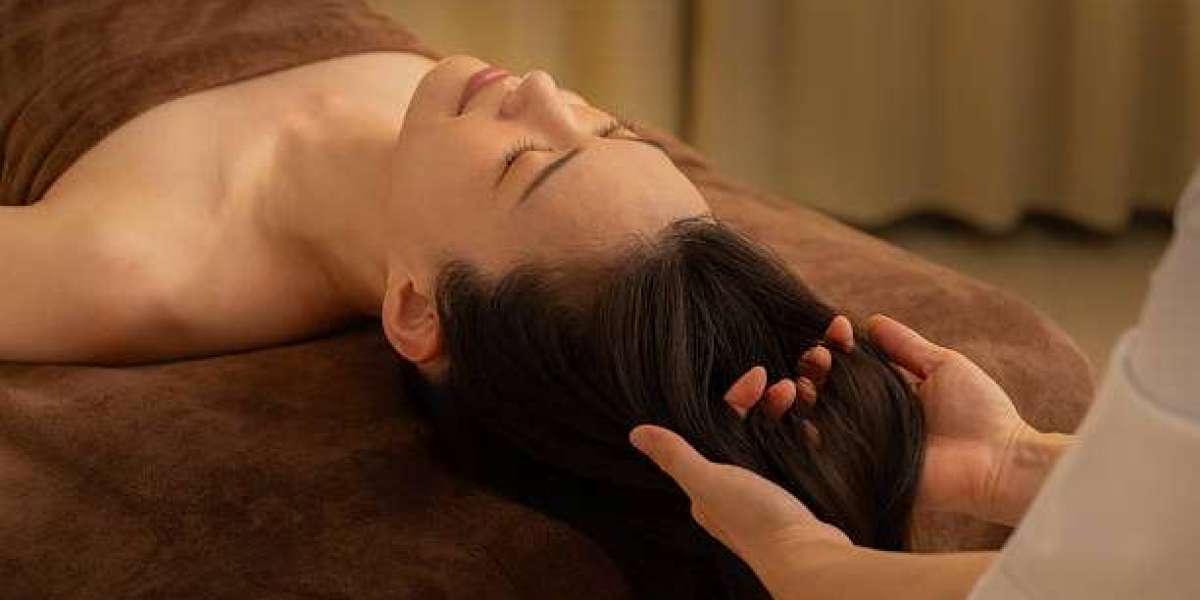

Most people book a scalp treatment whenever they feel like it. Dry, itchy scalp? Book one. Heard about it from a friend? Book one. And that's fine, honestly. But there's a real difference between booking at a random moment and booking when your scalp actually needs it most. Timing matters more than most people expect, and the season you're in, what your hair's been through lately, and even your allergy history can all change how much benefit you walk away with. If you're looking into a Japanese Head Spa in Solana Beach CA, knowing when to go, and when to wait, will help you get far better results from every appointment.
Winter: When Dry Air Wrecks Your Scalp
Cold months are rough. Indoor heating pulls moisture out of the air, and your scalp feels it fast. Flaking increases, tightness sets in, and the usual shampoo routine stops being enough. A lot of people assume this is just dandruff and throw a medicated shampoo at it, but in plenty of cases the issue is dehydration and product buildup sitting on a compromised skin barrier.
Booking a scalp renewal session in late fall or early winter is genuinely smart timing. The treatments help lift dead skin buildup, restore moisture balance, and get your scalp's oil production back to something normal. Think of it like resetting the surface before the worst of the dry weather hits. One session early in the season can hold you for weeks longer than you'd expect.
January and February are peak complaint months for scalp problems. Worth planning ahead rather than waiting until it's really uncomfortable.
Summer Oil Buildup and Why It Matters Before a Big Event
Hot, humid weather does the opposite of winter. Your scalp produces more sebum. Sweat mixes with product residue and sunscreen, and that combination is a recipe for clogged follicles and, honestly, some unpleasant odor by the end of the week. It's easy to just wash more often and call it handled, but that can strip the scalp and trigger even more oil production. Kind of a losing cycle.
Booking a Head Spa in Solana Beach CA before a vacation, a wedding, or any summer event makes a lot of sense for this reason. A single deep-cleanse session removes weeks of buildup, rebalances the scalp environment, and gives your hair a noticeably different texture at the root. People often say their hair looks cleaner longer after a session, and that's the real benefit heading into a trip where you don't want to think about it.
Summer is also when people swim a lot. Chlorine and salt water both dry out the scalp and leave mineral deposits behind. Timing a session after your last beach weekend of the season, before fall kicks in, is a solid move.
Spring Allergy Season and Scalp Irritation
Spring's a tricky one. Pollen counts spike, and for people who deal with seasonal allergic conditions, that inflammation doesn't just stay in the sinuses. Scalp irritation, itching, and sensitivity go up too, especially for anyone with a history of eczema or contact dermatitis. The scalp skin reacts to environmental triggers the same way facial skin does.
A scalp renewal session timed just before peak allergy season can calm existing inflammation and strengthen the skin barrier before things get worse. The catch is that you shouldn't book one when your scalp is already actively irritated, red, or broken. Timing it for early spring, before the worst pollen weeks, gives you the benefit without the risk of aggravating already-reactive skin.
Some people do better booking just after allergy season settles, when the scalp has calmed down but still needs some recovery help. Both approaches work. It depends on your specific pattern.
Booking Around Hair Color, Chemical Treatments, and Sun Exposure
This part trips people up a lot. If you've just had a color service, a relaxer, a perm, or any chemical treatment, your scalp needs a buffer period before a renewal session. Most professionals recommend waiting at least two to three weeks. The scalp skin is mildly compromised right after chemical services, and adding exfoliation or a deep-treatment protocol on top of that can cause sensitivity or uneven results.
Badri Kermani Hair Salon is one option in the area that handles this kind of sequencing properly, making sure scalp work happens at the right point in your overall hair care timeline rather than just slotting it in whenever there's an opening.
Sun exposure matters too. A sunburned scalp is not the time for a renewal session. Same goes for anyone who's been in the sun heavily for a week at the beach. Wait for the redness and sensitivity to settle, usually about a week to ten days. After that, a session is actually a great way to help the scalp recover from UV stress and product residue left from SPF sprays.
How Often Should You Actually Book Throughout the Year?
There's no single perfect answer, but a reasonable starting point for most people is once every six to eight weeks. Too frequent and you start to over-manipulate the scalp, which can actually disrupt its natural balance. Too rarely and you lose the cumulative benefit. A couple of sessions a year won't move the needle much on its own.
A good pattern for someone without any major scalp issues: one session in late fall before winter hits, one in late summer after swimming season, and one in spring either just before or just after allergy season. That's three sessions, spaced across the year, and that rhythm tends to keep things consistently healthy rather than reactive.
For people with chronic dryness, buildup issues, or a history of scalp conditions, spacing at six weeks during flare-prone seasons makes sense. Check in with whoever does your session and adjust from there.
Getting a Japanese Head Spa in Solana Beach CA on a consistent schedule also gives the person doing the work a real baseline to compare against, which means they can actually track changes and adjust the treatment over time. One-off sessions are fine, but the results are noticeably better when there's a pattern to it.
Signs You Should Wait Before Booking
A few clear signals that it's better to hold off for now:
Open sores, cuts, or active scalp wounds from scratching or irritation
A sunburned scalp that's still red or peeling
Chemical services done within the last two weeks
Active fungal or bacterial scalp infection (get that treated first)
Scalp that's intensely inflamed or swollen for unknown reasons
None of these are permanent disqualifiers. They're just "wait a bit" situations. A Head Spa in Solana Beach CA works best on a scalp that's in reasonably stable condition, not in crisis mode. Letting things settle first means the treatment can actually do its job.
Frequently Asked Questions
What season is best for a first scalp renewal session?
Late fall or early winter tends to be the most popular time for first-timers, mostly because that's when scalp issues are hardest to ignore. But honestly, if you're curious about it, any season works for a first visit. You'll get a sense of what your scalp actually needs and can plan future sessions around that.
Can I book a scalp session right after coloring my hair?
Not ideal. Give it at least two to three weeks. Fresh color means your scalp is still in a mildly reactive state, and adding exfoliation or treatment products too soon can cause irritation or affect how the color settles. Wait it out, then book.
How do I know if my scalp issues are seasonal or something else?
If your symptoms show up reliably at the same time each year and improve when the season changes, seasonal factors are probably playing a role. If it's year-round or getting progressively worse, it's worth seeing a dermatologist to rule out conditions like psoriasis or seborrheic dermatitis before booking spa treatments.
Is it okay to book a session before a vacation?
Actually, that's pretty good timing. A session before a beach trip or travel week helps clear buildup, balance oil production, and get your scalp in good shape before it's hit with saltwater, chlorine, and sun exposure. Just don't book it the day before. Give yourself three to five days so any mild sensitivity from the treatment can settle.
How long do the results of a scalp renewal session usually last?
It varies depending on your scalp type, lifestyle, and what products you use at home. Most people notice a difference for about three to five weeks. After that, buildup starts returning to its usual pace. That's why spacing sessions every six to eight weeks makes sense for ongoing maintenance rather than treating it as a one-time fix.
The bottom line is that your scalp responds to the same seasonal shifts your skin does. A little planning around those shifts, instead of booking on a whim, makes each session worth a lot more.