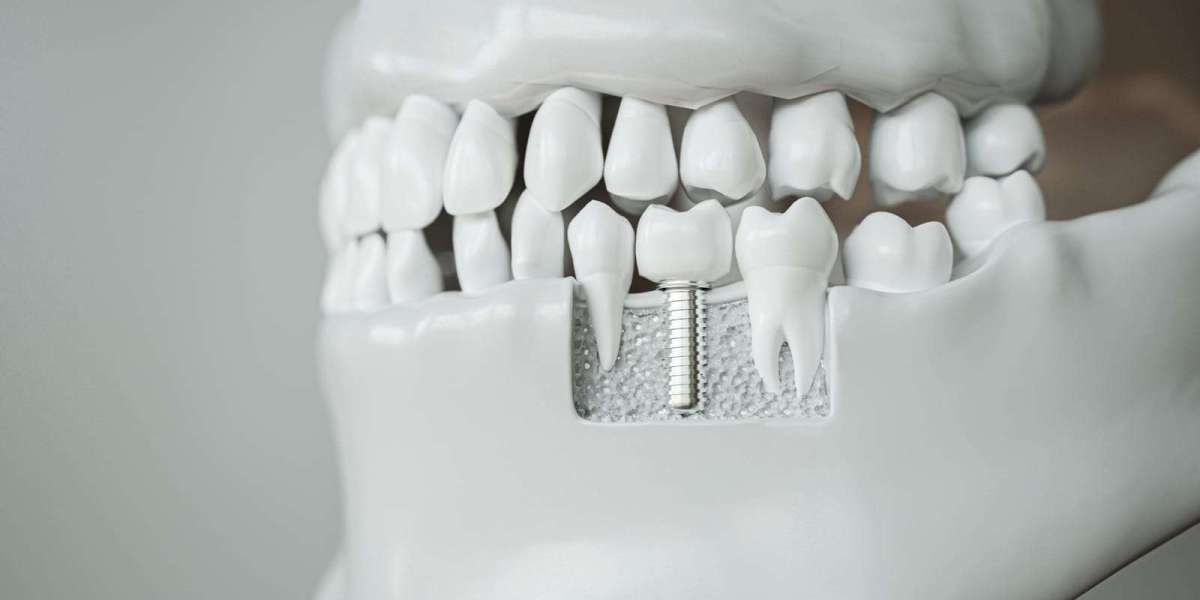

Replacing a missing tooth involves more than restoring the visible part of your smile. Dental Implants in Dubai are designed to replace the missing tooth root as well as support a dental restoration. This provides a stable foundation that can help restore chewing function and the appearance of the smile.
The implant treatment process normally involves several stages, including an initial consultation, treatment planning, implant placement, healing, and attachment of the final restoration. The exact process varies according to the patient's oral health, bone condition, number of missing teeth, and type of restoration required.
Understanding each stage can help patients know what to expect before deciding on implant treatment.
Initial Consultation for Dental Implants
The process begins with a comprehensive dental examination. Your dentist will examine the area where the tooth is missing and assess the condition of the surrounding teeth and gums.
Dental X-rays or other imaging may be used to evaluate the jawbone and identify important structures near the planned implant site. The dentist can then determine whether there is sufficient bone support for implant placement.
Your medical and dental history may also be discussed to identify factors that could affect healing or treatment planning.
Enfiled Dental clinic and Personalized Implant Planning
At Enfiled Dental clinic, patients can discuss their tooth replacement needs and receive an individualized implant assessment. The dentist can evaluate the missing-tooth area and explain the treatment stages based on the patient's specific dental condition.
A customized plan may include one implant for a single missing tooth or multiple implants for several missing teeth. If additional procedures such as bone augmentation are required, these can also be incorporated into the treatment plan.
Personalized planning helps ensure that implant placement and the final restoration are properly coordinated.
Preparing the Implant Site
Before implant placement, the dentist needs to ensure that the mouth is suitable for treatment. Active gum disease, untreated cavities, or other dental problems may need to be addressed first.
The jawbone also needs to provide adequate support. If bone volume is insufficient, a bone graft may sometimes be recommended to improve the foundation for the implant.
The need for additional preparation depends on individual anatomy and can usually be determined through clinical examination and dental imaging.
Placing the Dental Implant
During the placement procedure, the implant fixture is positioned into the jawbone. Local anesthesia is generally used to numb the treatment area.
The dentist carefully prepares the site and places the implant in the planned position. The gum tissue is then managed according to the surgical approach being used.
The implant is not immediately treated like a natural tooth. It needs time to become integrated with the surrounding bone before it can reliably support the final restoration.
The Healing and Integration Stage
After implant placement, a healing period begins. During this stage, the jawbone gradually integrates with the implant surface. This process is called osseointegration.
The length of healing can vary depending on bone quality, implant location, overall oral health, and individual healing response.
Patients should follow their dentist's instructions during this period. Avoiding unnecessary pressure on the implant site can help protect the area while it heals.
Attaching the Abutment
Once the implant has adequately integrated with the bone, an abutment may be attached. The abutment acts as a connector between the implant fixture and the final dental restoration.
Depending on the treatment approach, the abutment may be placed during the initial procedure or during a later appointment.
Your dentist will determine the appropriate timing based on the implant and surrounding tissues.
Creating the Dental Crown
For a single missing tooth, the final restoration is commonly a dental crown. The crown is designed to match the surrounding teeth in shape, size, and appearance.
Impressions or digital scans may be used to help create a restoration that fits comfortably within your bite. The final crown is then connected to the implant through the abutment.
A properly designed crown can restore both the appearance and function of the missing tooth.
Replacing Several Missing Teeth
Patients who have multiple missing teeth may require a different implant strategy. Several implants can be used to support an implant bridge or another fixed restoration.
The number and placement of implants depend on the location of the missing teeth, available bone, bite, and overall treatment goals.
A detailed assessment allows the dentist to determine how many implants are needed and where they should be positioned.
Does the Procedure Hurt?
Many patients worry about discomfort during implant surgery. Local anesthesia is generally used during placement, which helps numb the treatment area.
Some swelling, tenderness, or sensitivity may occur after the procedure. These effects can vary depending on the extent of treatment.
Following your dentist's aftercare instructions can help support recovery. If discomfort becomes severe or unusual symptoms develop, contacting your dental professional is recommended.
Caring for Your Mouth After Placement
Good oral hygiene is important throughout implant treatment. Your dentist may provide specific instructions about brushing, cleaning around the surgical site, eating, and other activities.
Avoid putting unnecessary pressure on the implant while it is healing. Maintaining healthy gums around the treatment area is also important for long-term implant care.
Once the final restoration is placed, regular brushing and interdental cleaning should become part of your daily routine.
Long-Term Care for Dental Implants
Dental implants can provide a durable tooth replacement solution when properly planned and maintained. However, they still require professional monitoring.
Regular dental examinations allow your dentist to assess the implant, crown, gums, and surrounding teeth. Professional cleanings can also help control plaque and tartar.
Good oral hygiene is essential because although an implant crown cannot develop a natural cavity, the tissues around an implant can still be affected by bacterial buildup.
What Can Affect the Treatment Process?
Several factors can influence the length and complexity of implant treatment. These include the number of missing teeth, bone density, gum health, implant location, and whether additional procedures are needed.
Patients who require bone grafting or treatment for existing dental conditions may need additional appointments before the implant can be placed.
Your dentist can provide a more accurate timeline after completing the examination and treatment planning.
Conclusion
The Dental Implants in Dubai procedure generally involves consultation, planning, implant placement, healing, abutment attachment, and final restoration. Each stage is designed to create a stable foundation for replacing a missing tooth.
The exact treatment process depends on individual dental needs and the condition of the jawbone and gums. With careful planning, professional placement, appropriate aftercare, and regular maintenance, dental implants can provide a functional and natural-looking solution for missing teeth.