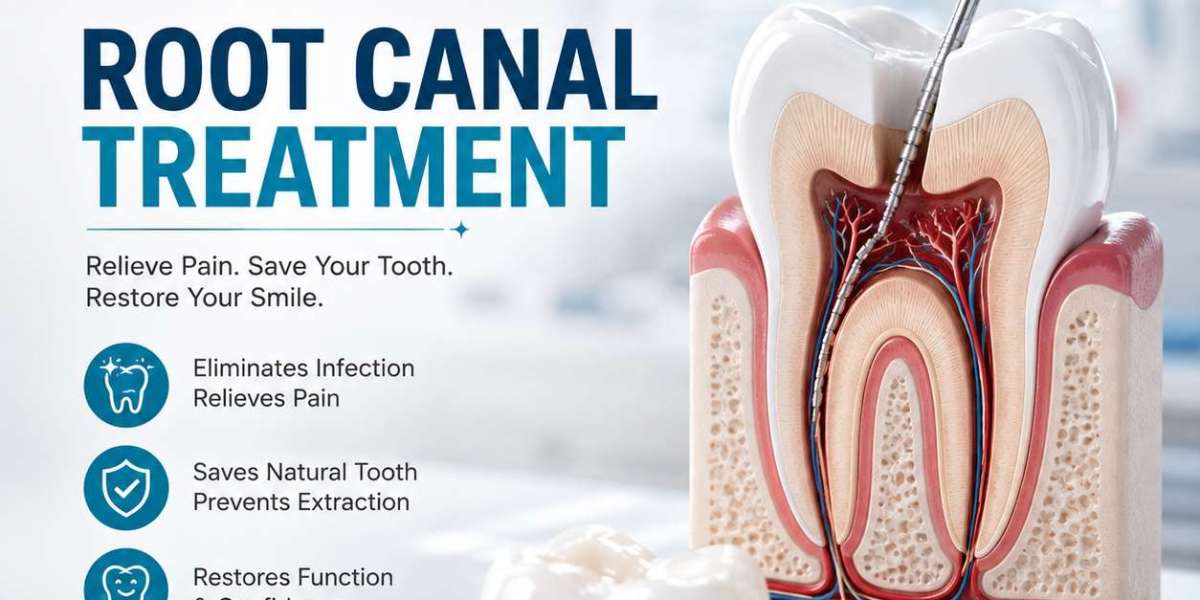

Root canal treatment is designed to remove infection from inside a tooth and preserve the natural tooth. In many cases, it provides long-term relief and allows the tooth to continue functioning normally. However, sometimes a previously treated tooth can develop new problems and may require additional treatment called root canal retreatment.
Root canal retreatment involves reopening the previously treated tooth, removing the existing filling materials from the root canals, cleaning and disinfecting the canals again, and sealing them. The goal is to address the cause of persistent or returning infection and give the tooth another opportunity to heal.
What Is Root Canal Retreatment?:
Root canal retreatment is a procedure performed on a tooth that has already undergone root canal treatment but has not healed properly or has developed a new infection.
During retreatment, the dentist carefully examines the tooth and determines why the original treatment did not achieve the desired result. Existing materials may be removed so the root canals can be cleaned, disinfected, and sealed again.
Why Does a Root Canal Need Retreatment?:
A root canal may require retreatment for several reasons. Sometimes bacteria remain inside a canal because it was difficult to locate, clean, or completely seal during the original procedure.
Other causes can include new decay, leakage around a restoration, a damaged crown or filling, or a fracture that allows bacteria to enter the tooth. In some cases, the tooth may have a complex canal system that was not fully treated during the initial procedure.
What Are the Signs You May Need Root Canal Retreatment?:
A previously treated tooth that develops persistent or returning symptoms should be evaluated by a dentist. Possible warning signs include tooth pain, tenderness when biting, swelling around the gums, or a recurring pimple-like bump near the tooth.
Some infections may cause few noticeable symptoms. This is why dental examinations and appropriate imaging can be important when a previously treated tooth does not heal as expected.
How Does a Dentist Diagnose a Failed Root Canal?:
Your dentist will review your dental history and examine the affected tooth. They may check for tenderness, swelling, changes in the gums, cracks, and problems with the existing restoration.
Dental X-rays or other imaging may be used to examine the roots and surrounding bone. The dentist will then determine whether retreatment, another procedure, or extraction is the most appropriate option.
What Happens During Root Canal Retreatment?:
The tooth is usually numbed with local anesthesia before treatment begins. The dentist accesses the previously treated canals and removes the existing filling material.
The canals are then carefully cleaned and disinfected to remove bacteria and infected material. After the canals have been properly prepared, they are sealed again to reduce the chance of future bacterial contamination.
Is Root Canal Retreatment Painful?:
Like the initial procedure, retreatment is normally performed using local anesthesia to keep the area numb. You may experience some pressure during the procedure, but significant pain should not be expected while the tooth is properly anesthetized.
Some tenderness can occur after treatment as the tissues surrounding the tooth recover. Your dentist can provide appropriate aftercare instructions based on your individual situation.
How Long Does Root Canal Retreatment Take?:
The length of retreatment varies depending on the tooth and the complexity of the root canal system. A tooth with multiple or unusually shaped canals may require more time than a simpler tooth.
The presence of a crown, post, or other restoration can also make retreatment more complicated. Your dentist can explain the expected treatment timeline after examining the tooth.
Can Root Canal Retreatment Save the Natural Tooth?:
One of the main advantages of retreatment is that it may allow you to keep your natural tooth. If the tooth has enough healthy structure and can be properly treated, retreatment may be an alternative to extraction.
Preserving the natural tooth can help maintain normal chewing function and reduce the need for tooth replacement. However, not every previously treated tooth can be successfully retreated.
Is a Crown Needed After Root Canal Retreatment?:
A tooth may need a crown or another permanent restoration after retreatment, particularly if it has lost significant structure or already has a damaged restoration.
A strong restoration can help protect the tooth from further damage and reduce the risk of bacterial leakage. Your dentist will recommend the appropriate restoration based on the condition of the tooth.
What Is the Cost of Root Canal Retreatment?:
The cost of retreatment can vary depending on the tooth being treated, the complexity of the root canals, the type of restoration already present, and whether additional procedures are required.
Patients should discuss the complete treatment plan and expected expenses with their dental provider before starting retreatment. This helps ensure you understand what the procedure may involve.
What Happens If Root Canal Retreatment Is Delayed?:
Delaying treatment when an infection is present can allow the problem to progress. An infection may spread to the tissues surrounding the tooth and potentially cause swelling or an abscess.
Pain can sometimes decrease even when an infection remains active, so the absence of symptoms does not always mean the tooth has healed. Professional evaluation is important when a previously treated tooth shows signs of infection.
Is Extraction Always Necessary After Root Canal Failure?:
No. Root canal failure does not automatically mean that the tooth must be removed. Depending on the cause of the problem, retreatment may provide an opportunity to preserve the natural tooth.
In some situations, another treatment such as endodontic surgery may be considered. If the tooth is severely fractured or cannot be restored, however, extraction may be recommended.
How Can You Care for a Retreated Tooth?:
After retreatment, maintain good oral hygiene by brushing twice daily with fluoride toothpaste and cleaning between your teeth regularly. Follow all instructions provided by your dentist.
Avoid chewing extremely hard objects and complete any recommended permanent restoration on time. Regular dental checkups can also help monitor the treated tooth and surrounding tissues.
Final Thoughts:
Root canal retreatment is a procedure used when a previously treated tooth has not healed properly or develops a new infection. It involves reopening the tooth, removing existing materials, cleaning and disinfecting the canals, and sealing them again.
Retreatment may allow a natural tooth to be preserved and can sometimes prevent extraction. If you experience pain, swelling, or other symptoms in a tooth that has already had root canal treatment, seek professional dental evaluation.
For more information about root canal treatment, retreatment, and other dental services, visit Dental Aesthetics Studio and discuss your treatment options with a qualified dental professional.