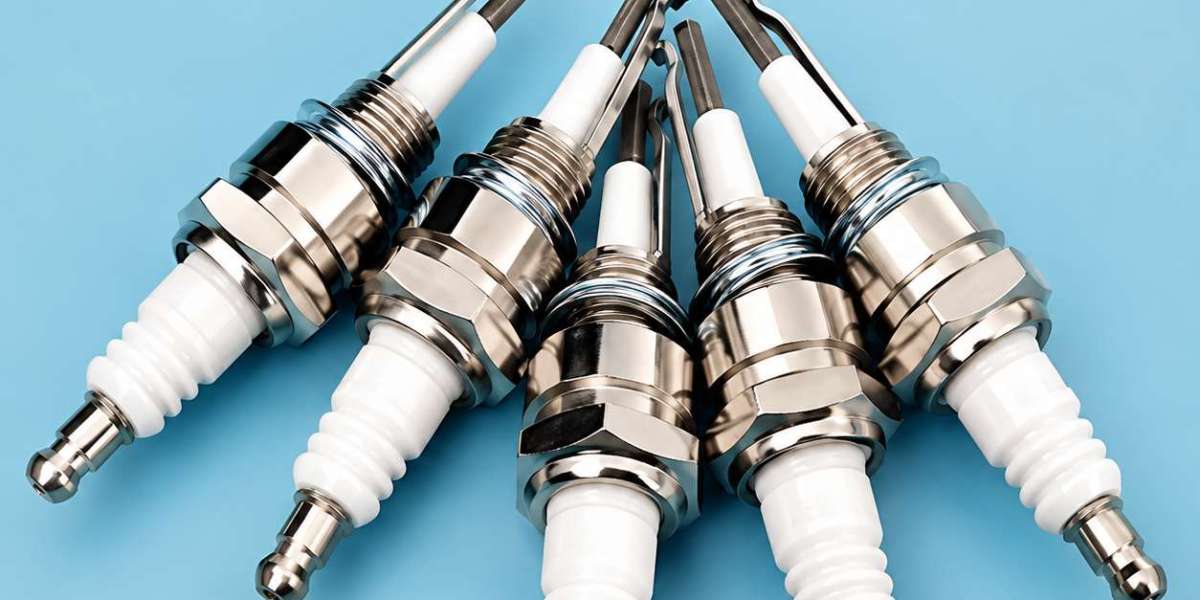

An alumina plug is a specialized ceramic component manufactured primarily from alumina, a highly durable ceramic material known for its excellent thermal stability, hardness, electrical insulation, and resistance to chemical attack. Alumina plugs are used in demanding industrial and laboratory environments where ordinary materials may fail because of high temperatures, corrosion, electrical requirements, or mechanical stress. Their ability to maintain performance under harsh conditions makes them useful in furnaces, laboratory equipment, electrical systems, chemical processing applications, and various high-temperature manufacturing processes. Understanding the characteristics, applications, advantages, and selection factors of alumina plugs can help users choose the right ceramic component for their specific requirements.
What Is an Alumina Plug?
An alumina plug is a ceramic plug or stopper made from aluminum oxide, commonly known as alumina. The material is processed into a desired shape and fired at high temperatures to produce a dense and durable ceramic component. Depending on the intended application, alumina plugs can be manufactured in different sizes, shapes, grades, and purity levels. Their combination of thermal resistance, electrical insulation, chemical stability, and mechanical strength allows them to perform in environments where conventional metal, plastic, or rubber components may deteriorate.
What Is Alumina Made From?
Alumina is primarily composed of aluminum oxide, represented by the chemical formula Al₂O₃. It is an important ceramic material used in many technical and industrial applications because of its stable chemical structure and strong physical properties. Alumina can be produced from aluminum-containing raw materials and processed into powders suitable for ceramic manufacturing. After shaping and firing, the resulting ceramic can provide excellent resistance to heat, wear, electrical current, and many chemically aggressive environments.
Key Properties of Alumina Plugs
Alumina plugs are valued for a combination of properties that make them suitable for demanding applications. They offer excellent temperature resistance, high hardness, good mechanical strength, strong electrical insulation, low electrical conductivity, and resistance to many chemicals. Alumina also maintains its structural stability across a wide temperature range, making it useful in thermal processing equipment and laboratory systems. These characteristics can vary depending on alumina purity, manufacturing method, density, and final ceramic structure.
High Temperature Resistance
One of the most important advantages of an alumina plug is its ability to tolerate high temperatures. Alumina ceramics can maintain their structural integrity in environments where many conventional materials would soften, melt, oxidize, or lose their mechanical properties. This makes alumina plugs particularly useful in furnaces, heating systems, laboratory equipment, and high-temperature processing applications. The exact temperature capability depends on the alumina grade, design, surrounding atmosphere, thermal cycling conditions, and application requirements.
Excellent Electrical Insulation
Alumina is widely recognized as an effective electrical insulator. An alumina plug can therefore be used in applications where electrical isolation is required while maintaining resistance to heat and mechanical stress. Ceramic electrical components made from alumina can help separate conductive elements and provide insulation in demanding environments. This combination of electrical insulation and thermal stability makes alumina particularly valuable in electrical, electronic, laboratory, and industrial equipment.
Chemical Resistance
Another important characteristic of alumina is its resistance to many chemicals. Alumina plugs can withstand exposure to various substances better than many conventional materials, although resistance depends on the specific chemical, concentration, temperature, exposure time, and alumina grade. This property makes alumina components useful in chemical processing, laboratory environments, and equipment where aggressive substances may be present. Selecting the correct material grade remains important when chemical compatibility is critical.
Mechanical Strength and Hardness
Alumina is a hard ceramic material with good mechanical strength and excellent resistance to wear. An alumina plug can therefore withstand physical contact, friction, and demanding operating conditions when properly designed and installed. Its hardness can also help reduce surface wear over extended periods. However, alumina is a ceramic and can be brittle compared with metals, meaning that impact, excessive mechanical stress, and improper installation should be avoided.
Alumina Plug for Furnace Applications
Furnace applications are among the most common areas where alumina ceramic components are used. An alumina plug can be incorporated into high-temperature equipment where it needs to withstand heat without significant deformation. Furnaces used for ceramics, metals, laboratory testing, research, and industrial processing may require ceramic plugs, supports, covers, or insulating components. Alumina is particularly useful when thermal stability and resistance to contamination are important considerations.
Alumina Plug for Laboratory Equipment
Laboratories often require materials that can withstand heat, chemicals, and repeated use. Alumina plugs can be used in specialized laboratory equipment, high-temperature experiments, sample processing systems, and ceramic assemblies. Their resistance to heat and many chemicals makes them suitable for controlled environments where ordinary materials may not provide adequate performance. The appropriate alumina grade should be selected according to the experimental temperature, chemical exposure, and required dimensional stability.
Alumina Plug in Electrical Applications
Electrical and electronic industries use alumina ceramics for components that require insulation combined with mechanical and thermal stability. Alumina plugs can be used where electrical isolation is needed around conductive components or within specialized equipment. Their low electrical conductivity helps prevent unwanted current flow through the ceramic body. Their thermal properties also allow them to function in applications where electrical components may experience elevated temperatures.
Alumina Plug in Chemical Processing
Chemical processing equipment can operate under challenging conditions involving heat, corrosive substances, and mechanical stress. Alumina plugs may be used as protective, insulating, sealing, or structural ceramic components depending on the equipment design. Their chemical stability can provide advantages in environments where polymeric materials or other ceramics may not offer sufficient resistance. Before choosing an alumina plug for a chemical application, compatibility with the specific chemical environment should be carefully evaluated.
Types of Alumina Plugs
Alumina plugs are available in different designs to meet different industrial requirements. They may vary in purity, dimensions, geometry, density, surface finish, and manufacturing method. Some applications require simple cylindrical plugs, while others may need specially shaped ceramic components with holes, grooves, shoulders, or customized dimensions. High-purity alumina may be preferred for specialized applications requiring improved chemical or thermal performance, while standard alumina grades can be suitable for more general industrial uses.
High Purity Alumina Plugs
High-purity alumina plugs contain a very high proportion of aluminum oxide and are designed for applications where contamination control, thermal performance, or chemical stability is particularly important. These components can be useful in advanced laboratory equipment, specialized furnace systems, semiconductor-related processes, and other demanding environments. High-purity materials can offer advantages in applications where even small amounts of impurities could affect performance or product quality.
Standard Alumina Plugs
Standard alumina plugs are designed for general industrial and technical applications where excellent ceramic performance is required without the specialized requirements of extremely high-purity materials. They can provide a useful balance of thermal resistance, electrical insulation, mechanical durability, and chemical stability. The appropriate standard alumina grade depends on the operating environment and the required performance characteristics.
Benefits of Using Alumina Plugs
The main benefits of alumina plugs include high-temperature stability, electrical insulation, chemical resistance, hardness, wear resistance, dimensional stability, and long service potential. These properties allow them to replace less durable materials in demanding environments. Their ceramic construction also makes them useful when low electrical conductivity and resistance to thermal degradation are required. With correct material selection and installation, alumina plugs can provide reliable performance in many specialized applications.
How Alumina Plugs Are Manufactured
Manufacturing an alumina plug generally involves preparing alumina ceramic powder, forming it into the required shape, and firing the shaped component at elevated temperatures. Manufacturing techniques can vary according to the required geometry, size, density, and performance. Additional processes such as machining, grinding, polishing, or surface finishing may be used to achieve precise dimensions. Because alumina is extremely hard after firing, specialized equipment may be required for precision machining.
Choosing the Right Alumina Plug
Selecting the right alumina plug requires consideration of several factors, including operating temperature, alumina purity, chemical exposure, electrical requirements, dimensions, mechanical loads, thermal cycling, and installation conditions. Users should also consider whether the plug will be exposed to sudden temperature changes or physical impact. A properly selected ceramic component can provide better reliability and service life, while an unsuitable grade or design may lead to cracking, premature wear, or performance problems.
Alumina Plug and Thermal Shock
Although alumina performs very well at high temperatures, ceramic materials can be sensitive to sudden temperature changes. Rapid heating or cooling can create thermal stresses that may result in cracking if the component design and material are not appropriate for the application. When an alumina plug is used in an environment involving repeated thermal cycling, the expected temperature changes and heating rates should be considered during material selection and equipment design.
Maintenance of Alumina Plugs
Alumina plugs generally require relatively little maintenance because of their resistance to heat, chemicals, and wear. However, they should still be inspected periodically for cracks, chips, surface damage, contamination, or dimensional changes. Proper handling is important because alumina is hard but relatively brittle compared with metals. Avoiding impacts and using suitable cleaning procedures can help maintain the condition and performance of the component.
Common Applications of Alumina Plugs
Alumina plugs can be found across a broad range of industries and technical environments. Common applications include high-temperature furnaces, laboratory equipment, electrical insulation systems, chemical processing equipment, heating assemblies, ceramic systems, industrial machinery, and specialized research equipment. Their versatility comes from the combination of thermal, electrical, chemical, and mechanical properties offered by alumina ceramics.
Why Alumina Is Preferred Over Conventional Materials
In demanding environments, conventional materials may experience melting, deformation, corrosion, electrical conduction, or rapid wear. Alumina provides an alternative when high temperature resistance, insulation, hardness, and chemical stability are required simultaneously. While ceramics have their own limitations, their performance characteristics make them especially valuable for applications where metals, polymers, or other materials cannot meet operating requirements.
Frequently Asked Questions About Alumina Plug
What is an alumina plug used for?
An alumina plug is used in applications requiring a heat-resistant, electrically insulating, chemically stable, and mechanically durable ceramic component. Common uses include furnaces, laboratory equipment, electrical systems, chemical processing equipment, and specialized industrial machinery.
Is an alumina plug suitable for high temperatures?
Yes, alumina plugs are widely used in high-temperature environments because alumina maintains its structural stability at elevated temperatures. The actual operating temperature depends on the alumina grade, component design, atmosphere, thermal cycling, and application conditions.
Is alumina electrically conductive?
Alumina is generally an excellent electrical insulator, which is why it is widely used for electrical insulation and ceramic components in electrical and electronic equipment.
Are alumina plugs chemically resistant?
Alumina has good resistance to many chemicals, making it suitable for numerous laboratory and industrial environments. However, compatibility should always be checked against the specific chemical, concentration, temperature, and exposure conditions.
Can alumina plugs be customized?
Yes, alumina plugs can be manufactured in different shapes, dimensions, purity levels, and surface finishes. Custom designs may be produced for specialized equipment and applications where standard ceramic components do not meet the required specifications.
Are alumina plugs brittle?
Alumina is a hard and strong ceramic, but like many ceramics, it can be brittle and may crack under sudden impact or excessive mechanical stress. Proper handling and installation are important for reliable performance.
How long can an alumina plug last?
The service life depends on temperature, chemical exposure, mechanical stress, thermal cycling, installation conditions, and material quality. In suitable conditions, alumina components can provide long-term service with relatively low maintenance requirements.
What should be considered when buying an alumina plug?
Important considerations include alumina purity, dimensions, operating temperature, chemical environment, electrical requirements, mechanical stress, thermal cycling, surface finish, and compatibility with the equipment in which the plug will be installed.
Conclusion
An alumina plug is a versatile technical ceramic component designed for demanding environments where heat resistance, electrical insulation, chemical stability, hardness, and durability are important. Its combination of useful properties makes it suitable for furnaces, laboratories, electrical systems, chemical processing equipment, and many other industrial applications. Different alumina grades and plug designs allow manufacturers and users to select components according to specific operating conditions.
Choosing the right alumina plug requires careful consideration of temperature, chemical exposure, dimensions, mechanical stress, thermal cycling, and electrical requirements. When the correct material and design are selected, alumina plugs can provide reliable performance and long service in challenging environments. Their ability to maintain stability where many conventional materials struggle makes alumina an important material for modern industrial and technical applications.