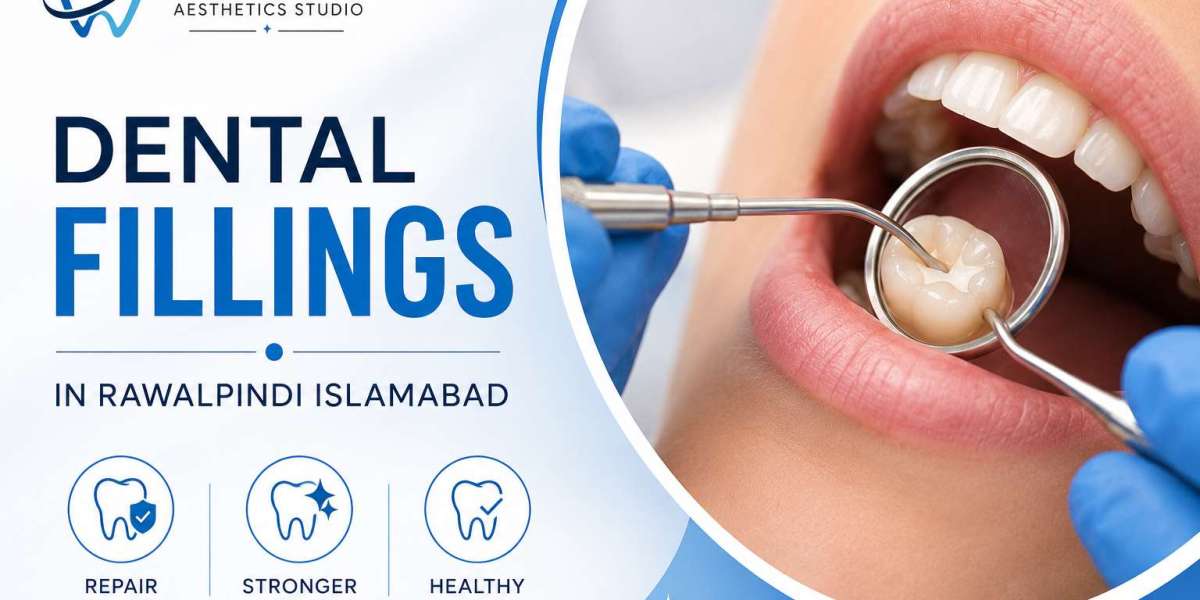

Dental fillings are commonly used to repair teeth affected by cavities and decay. Two widely known filling materials are composite resin and dental amalgam. Although both can restore damaged teeth, they differ in appearance, strength, cost, durability, and placement.
If you need dental fillings in Islamabad, your dentist can examine the affected tooth and recommend the most suitable material based on the size and location of the cavity, your oral health, and your preferences.
What Are Composite Fillings?
Composite fillings are made from a tooth-colored resin material combined with finely ground glass or ceramic particles. The material can be matched to the natural shade of the tooth, making composite fillings a popular option for patients who want a less noticeable restoration.
Composite resin is bonded directly to the tooth, which can allow dentists to preserve more healthy tooth structure during preparation. It is commonly used for cavities in visible teeth and can also be suitable for many back teeth.
What Are Amalgam Fillings?
Amalgam fillings are made from a mixture of metals, traditionally including silver, tin, copper, and mercury. They have been used in dentistry for many decades and are known for their strength and ability to withstand chewing forces.
Because amalgam has a silver-gray appearance, it is more noticeable than a tooth-colored composite restoration. It has traditionally been used for cavities in back teeth where significant chewing pressure is present.
Composite vs Amalgam: Appearance and Aesthetics:
Appearance is one of the most noticeable differences between composite and amalgam fillings. Composite fillings can be closely matched to the natural color of the tooth, helping the restoration blend with the surrounding enamel.
Amalgam fillings have a metallic appearance and may become more visible when smiling or speaking. For patients who prioritize cosmetic results, composite fillings are generally more appealing.
Which Filling Is Stronger?:
Amalgam has traditionally been valued for its strength and durability, particularly in molars that experience substantial chewing pressure. Composite fillings have also improved considerably and can provide good durability when properly placed and maintained.
The best material depends on the individual tooth. Factors such as cavity size, tooth location, bite pressure, oral hygiene, and habits such as grinding or clenching can influence the dentist's recommendation.
Composite vs Amalgam: Cost and Treatment:
The cost of a filling varies according to the material, size of the cavity, tooth location, and complexity of treatment. Composite fillings may cost more because they require careful shade selection, bonding, and placement.
Patients looking for >expert dental fillings in Islamabad</a> should discuss the total treatment cost and available material options with their dentist before starting treatment.
How Long Do Composite and Amalgam Fillings Last?:
The lifespan of a dental filling varies from patient to patient. Both composite and amalgam restorations can last for many years when they are properly placed and maintained.
However, fillings can eventually wear down, crack, become loose, or develop decay around their edges. Regular dental examinations help dentists monitor the condition of existing restorations.
Are Composite Fillings Safer Than Amalgam?
Composite fillings do not contain the mercury used in dental amalgam, which is one reason some patients prefer them. Dental amalgam has nevertheless been used extensively and is considered an established restorative material when appropriately indicated.
The choice of filling material should be based on an individual dental assessment. Your dentist can discuss the benefits and limitations of each option and consider your specific circumstances.
Can Composite Fillings Look Natural?
One of the main advantages of composite resin is its natural appearance. Dentists can select a shade that closely matches the surrounding tooth structure, making the restoration less noticeable.
Composite can be particularly useful for front teeth and other visible areas. The final appearance can also depend on the quality of placement, polishing, and the condition of the surrounding tooth.
Which Filling Is Better for Back Teeth?
Back teeth are exposed to significant chewing forces, so the dentist needs to consider strength and durability when selecting a filling material. Amalgam has traditionally been used for molars because of its ability to withstand heavy pressure.
Composite can also be used successfully in many back teeth. The appropriate option depends on the size and position of the cavity, remaining tooth structure, bite forces, and other individual factors.
What Are the Advantages of Composite Fillings?
Composite fillings offer several benefits. Their tooth-colored appearance makes them aesthetically appealing, and they bond to the tooth structure. They can also be used for both restorative and certain cosmetic dental applications.
However, composite placement requires careful technique, and the material may be more sensitive to moisture during the procedure. Your dentist can determine whether composite is suitable for your particular cavity.
What Are the Advantages of Amalgam Fillings?
Amalgam fillings are known for their durability and resistance to chewing forces. They can be useful for certain larger cavities in back teeth and have a long history of clinical use.
Their main disadvantage for many patients is their metallic appearance. The dentist will consider the location and condition of the tooth before recommending amalgam or another restorative material.
How Do You Choose Between Composite and Amalgam?
Choosing between composite and amalgam depends on several factors, including the cavity's size, tooth location, cosmetic expectations, chewing pressure, and overall oral health. There is no single filling material that is ideal for every patient.
A dentist should examine the tooth before treatment and explain the available options. This allows you to understand the benefits, limitations, and expected longevity of each restoration.
Final Thoughts on Composite vs Amalgam Fillings:
Composite and amalgam fillings can both restore teeth affected by decay, but they have different characteristics. Composite offers a natural-looking appearance and strong bonding, while amalgam has traditionally been valued for strength and durability.
If you are considering dental care in Islamabad and Rawalpindi, a professional dental examination can help determine which filling material is most appropriate for your tooth and long-term oral health.