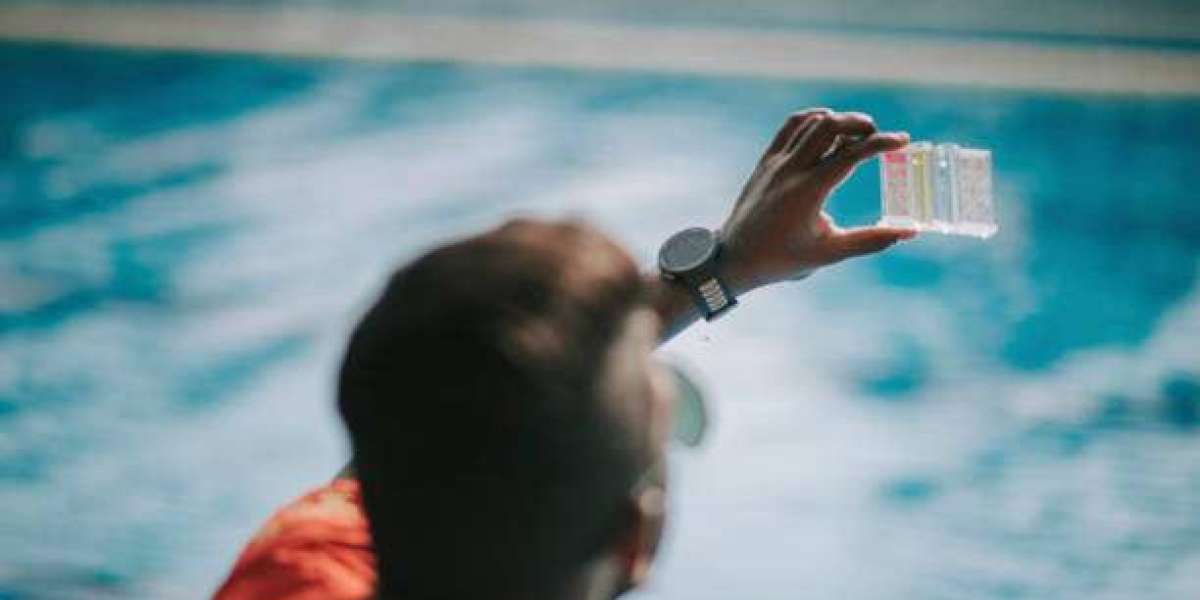

Buying a home with a pool is exciting right up until someone mentions you need a pool inspection and you realize you have no idea what that actually means. What does the inspector look at? How long does it take? And what happens if they find something bad? These are fair questions, and honestly, most first-timers feel the same way. If you're scheduling a Pool Inspection in Green Cove Springs FL for the first time, this guide walks you through the whole process so you're not walking in blind. No jargon. Just what you actually need to know before the inspector shows up.
What the Inspector Is Actually Looking At
The inspection starts from the outside and works inward. An inspector will look at the pool shell first, checking for cracks, spalling, or any surface that's bubbling or flaking. Small surface cracks aren't always a disaster, but structural cracks that run through the shell can mean water is getting somewhere it shouldn't, and that repair bill adds up fast. The coping around the pool edge gets checked too, since loose or crumbling coping is a slip hazard and can let water sneak behind the shell.
Decking and surrounding surfaces get their own pass. Lifted or cracked concrete, uneven pavers, and any tripping hazards around the pool area all go into the report. The inspector is looking at drainage patterns too, because water that pools near the edge and doesn't drain away properly causes long-term structural problems. Not glamorous stuff. But important.
The pool interior surface, whether it's plaster, pebble, tile, or vinyl, gets a close look for wear, staining, and any rough patches that could injure a swimmer. Tile lines are checked for missing or loose tiles. It's a pretty thorough once-over of everything you can see from the deck and waterline.
How Mechanical Systems Get Tested
This is the part most buyers don't think about. A pool is basically a small mechanical plant, and every part of it has to work together. The pump gets turned on and observed. The inspector listens for unusual noise, checks for leaks around fittings, and makes sure the motor isn't running hot. Filters get checked too, whether it's a sand filter, cartridge, or DE filter, the inspector looks at pressure readings and condition.
Heaters are tested if the pool has one. Gas heaters get checked for proper ignition and venting. Heat pumps get run through a cycle. The inspector will note the age of the equipment, because a heater that's fifteen years old and barely limping along is useful information before you sign anything. Honestly, equipment age alone can shift a negotiation.
Electrical bonding is one area where a lot of first-timers are surprised. Pool water and electricity are a dangerous combination, and there are specific requirements for how pool equipment has to be grounded and bonded to prevent shock hazard. The inspector checks that bonding is in place and that GFCI protection is working correctly on outlets near the water. According to the U.S. Consumer Product Safety Commission, electrical issues around pools are among the most serious hazards inspectors screen for. Drains get checked for proper covers too, since anti-entrapment drain covers are required by federal law.
Reading the Report Without Losing Your Mind
The report lands in your inbox and suddenly there's a lot of words. Take a breath. Most inspection reports organize findings by category and give each item a severity rating. Not everything flagged is a crisis. An inspector might note that the pool light cover is faded and should be replaced, that's a fifty-dollar fix. Or they might note that the main drain cover is non-compliant with current safety standards, which is a different kind of conversation entirely.
Look for anything rated as a safety concern first. Those items generally need attention before the pool should be used. After that, look at the mechanical deficiencies, things like a pump that's showing signs of seal failure or a filter that needs replacing soon. These have dollar amounts attached and give you negotiating material. Cosmetic stuff, surface staining, minor tile chips, can usually wait and is worth less weight in negotiations.
A good inspector will write findings in plain language, not code. If something in the report is confusing, call and ask. That's what they're there for.
Why a Pool Inspector Is Different from a Home Inspector
Most standard home inspections include a general look at the pool, but that's usually pretty surface-level. The home inspector checks whether the pump turns on, maybe notes if there's visible damage, and moves on. They've got the whole house to cover. A dedicated pool inspector brings specific training, testing equipment, and a checklist built specifically around pool systems.
Pool Inspection Services in Green Cove Springs FL done by a specialist will include things like bonding tests, pressure testing for leaks, and equipment diagnostics that a general home inspector isn't set up to do. The difference in depth is real. If the pool is a meaningful part of why you're buying the property, spending the extra money on a specialist is worth it. Full stop.
If you're working with All In Home Inspections LLC, they handle both the home inspection and pool inspection together, which makes scheduling easier and gives you one report to work from instead of chasing two different contractors. That kind of combined approach is genuinely useful when you're already juggling a hundred things in the closing process.
What to Do After You Get the Report
First, don't panic. Even a report with a long list of findings doesn't automatically mean walk away. It means you have information now. Use it.
If there are significant mechanical issues or safety deficiencies, you have a few options. You can ask the seller to make specific repairs before closing. You can ask for a price reduction to cover the estimated repair costs. Or you can ask for a credit at closing so you handle the repairs yourself with a contractor you choose. Each approach has tradeoffs depending on how motivated the seller is and how much time you have before your closing date.
Pool Inspection Services in Green Cove Springs FL often include the option to do a re-inspection after repairs are made, which is worth requesting if major work gets done. You want to confirm the fix actually happened and was done right, not just take the seller's word for it. A re-inspection is usually cheaper than the original and gives you peace of mind heading into closing. And if you're a current pool owner who got this inspection for maintenance reasons rather than a sale, the report is still useful as a prioritized to-do list for the season ahead.
A Pool Inspection in Green Cove Springs FL takes roughly one to two hours depending on pool size and how much equipment is involved. Show up if you can. Watching the inspector work and asking questions in real time is more useful than reading the report cold later on.
Frequently Asked Questions
How long does a pool inspection usually take?
Most pool inspections run between one and two hours. A larger pool with a lot of attached equipment, like a spa, heater, and automation system, will take closer to the two-hour mark. A simpler setup can be done in under an hour.
Can I be present during the inspection?
Yes, and you should be if you can. Being there lets you ask questions as things come up, and the inspector can point out findings in person rather than leaving you to interpret photos in a report. It's sincerely a better experience.
What if the pool fails the inspection?
There's no pass or fail with pool inspections. The report documents what's there, what works, and what doesn't. You then decide what to do with that information. Some findings are talking points, some are reasons to walk, and some are minor enough to accept as-is.
Does a pool inspection cover the water chemistry?
Usually not in depth. Most inspectors do a quick check of water clarity and may note if the water looks obviously off, but a full water chemistry analysis is typically a separate service. If the pool has been sitting unused, it's worth getting a chemistry test done alongside the inspection.
How much does a pool inspection cost in Green Cove Springs?
Prices vary, but most pool inspections in the Green Cove Springs area run somewhere between $100 and $200 when booked as a standalone service. Bundled with a full home inspection, the cost is often lower. It's a small number relative to what a missed repair could cost you after closing.