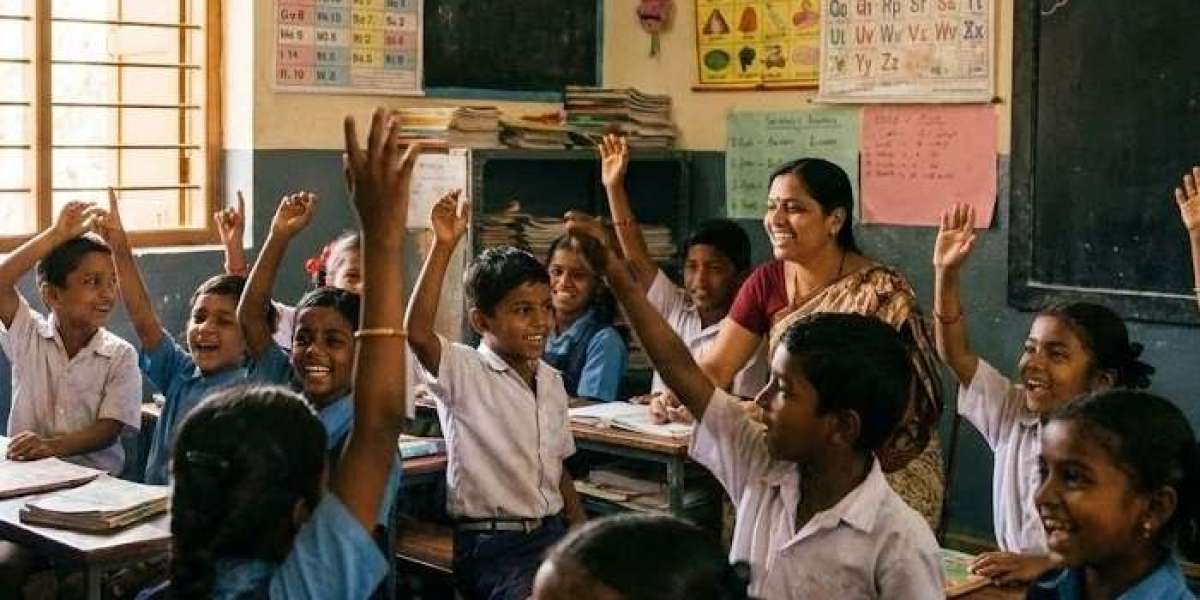

Education is one of the strongest foundations for a child's development. It can help children build knowledge, confidence, skills, and awareness of their rights while opening pathways to future opportunities. Yet access to quality education is not equal for every child. Poverty, discrimination, child labour, child marriage, disability, lack of infrastructure, and other social challenges can prevent children from attending school or completing their education.
The idea of education for every child goes beyond simply increasing school enrolment. It means creating conditions where every child can access safe, inclusive, and meaningful learning opportunities regardless of their background or circumstances.
What Does Education for Every Child Mean?
Education for every child means that all children should have the opportunity to receive quality education without unfair discrimination or barriers.
This includes children from low-income families, rural and remote communities, marginalised groups, and children who face social or physical barriers to education.
Equal access does not necessarily mean that every child needs exactly the same support. Some children may require additional resources, accessibility measures, financial assistance, or specialised educational support to participate effectively.
Why Is Education Important for Every Child?
Education supports children's intellectual, social, emotional, and personal development.
Through education, children can develop literacy, numeracy, communication, critical thinking, creativity, and problem-solving skills. School can also provide opportunities to develop friendships, participate in activities, understand different perspectives, and build confidence.
Education can influence future opportunities as well. A child who receives quality education may have greater access to higher education, vocational training, employment, and other pathways later in life.
Barriers That Prevent Children From Going to School
Many children face barriers that make education difficult to access or complete.
Poverty can make school-related expenses difficult for families. Children may also be required to work or contribute to household responsibilities.
Girls may face gender discrimination, child marriage, safety concerns, or social expectations that discourage continued education.
Children living in remote areas may have limited access to schools or transportation. Children with disabilities may face inaccessible infrastructure or insufficient learning support.
These challenges often overlap, making it necessary to address education through a broader child-rights approach.
Poverty and Educational Inequality
Poverty is one of the major barriers to education.
Although public education can reduce some financial burdens, families may still face costs associated with transportation, uniforms, learning materials, food, or other needs.
Economic hardship can also increase the risk of child labour and school dropout.
Supporting education therefore requires attention to the economic and social conditions affecting families as well as the availability of schools.
Child Labour and Education
Child labour can prevent children from attending school regularly or completing their education.
When children spend significant amounts of time working, they may have less time and energy for learning. Some children may eventually leave school altogether.
Preventing child labour and helping affected children return to education are therefore important parts of creating opportunities for every child.
Child Marriage and Girls' Education
Child marriage can interrupt a girl's education and reduce her opportunities to continue studying.
Marriage at a young age may bring household responsibilities that make school attendance difficult or impossible.
Keeping girls in school, challenging harmful social expectations, and protecting children from early marriage can work together to support girls' educational opportunities.
Education for Children With Disabilities
Every child should have opportunities to learn, including children with disabilities.
Inclusive education requires schools to consider accessibility, teaching methods, learning materials, communication needs, and other forms of support.
The objective should not simply be to place children in classrooms. Schools should create environments where children can participate meaningfully and learn according to their abilities and needs.
The Importance of Safe Schools
Children learn best when they feel safe and supported.
Schools should provide environments that protect children from bullying, abuse, harassment, discrimination, and other forms of harm.
Clean toilets, safe drinking water, appropriate sanitation, accessible facilities, and supportive teachers can also contribute to a positive learning environment.
A school should be a place where children can learn without fear.
Quality Matters as Much as Access
Education for every child is not achieved simply by enrolling children in school.
Children also need quality teaching, suitable learning materials, supportive teachers, appropriate infrastructure, and opportunities to participate.
If children attend school but do not develop basic learning skills, the goal of meaningful education has not been fully achieved.
Quality education should help children understand concepts, think independently, communicate effectively, and apply their learning to real-life situations.
The Role of Parents and Families
Families play an important role in supporting children's education.
Parents can encourage regular attendance, create time for studying, communicate with teachers, and take children's educational interests seriously.
Girls and boys should receive equal encouragement and opportunities.
Families can also help children balance school with household responsibilities so that domestic work does not become a reason for missing school.
The Role of Schools and Teachers
Teachers have a direct influence on children's educational experiences.
Inclusive teaching practices can encourage children to ask questions, participate in discussions, work with classmates, and develop confidence.
Schools can also identify children who are at risk of dropping out and work with families and relevant community organisations to understand the reasons and identify appropriate support.
The Role of Communities
Communities can help create an environment where education is valued and supported.
Community members can encourage school attendance, challenge harmful social norms, support vulnerable families, and help identify children who are out of school.
Local awareness is particularly important when issues such as child labour, child marriage, discrimination, or poverty are contributing to school dropout.
The Role of NGOs in Supporting Education
Government education systems are essential, but NGOs and community organisations can also contribute to improving children's access to education.
Child Rights and You (CRY) works toward protecting children's rights and creating conditions for happier childhoods. Its work includes education, health and nutrition, safety and protection, and child participation.
A child-rights approach recognises that education is connected with other aspects of childhood. Children need protection from exploitation, access to healthcare and nutrition, safe environments, and opportunities to participate in decisions that affect them.
How Technology Can Support Education
Digital technology can provide additional learning opportunities through educational resources, online classes, digital libraries, and interactive tools.
However, technology should not be treated as a replacement for accessible and quality schools. The digital divide means that some children may not have reliable internet access, devices, electricity, or suitable learning environments at home.
Technology can be useful when it complements broader efforts to make education accessible and inclusive.
Education and Child Participation
Children are not simply recipients of education. They can also contribute to their learning environments.
Encouraging children to express their views, participate in school activities, collaborate on projects, and discuss issues affecting them can help develop confidence and responsibility.
Meaningful participation should be age-appropriate and conducted in an environment where children feel respected and safe.
How Can We Promote Education for Every Child?
Creating education for every child requires action at several levels.
Governments need effective education policies and accessible public services. Schools need safe infrastructure and quality teaching. Families need support to keep children in education. Communities need to challenge practices that contribute to school dropout.
Child-rights organisations can support these efforts through awareness, community engagement, education initiatives, and work addressing issues that prevent children from staying in school.
The most effective approach is one that addresses both the immediate educational need and the underlying barriers affecting each child.
Frequently Asked Questions About Education for Every Child
What does education for every child mean?
It means ensuring that every child has a genuine opportunity to access and complete quality education without discrimination or unfair barriers.
Why is education important for children?
Education helps children develop knowledge, literacy, numeracy, communication, critical thinking, confidence, and other skills that can support their personal development and future opportunities.
What prevents children from getting an education?
Common barriers include poverty, child labour, child marriage, discrimination, disability-related exclusion, unsafe schools, inadequate infrastructure, household responsibilities, geographical isolation, and limited access to learning resources.
How does poverty affect children's education?
Poverty can make educational expenses difficult to manage and may increase pressure on children to work or perform household responsibilities. These circumstances can contribute to irregular attendance or school dropout.
Why is girls' education important?
Girls' education supports equal opportunities and can help girls develop knowledge, skills, confidence, and greater awareness of their rights and future possibilities.
How can we help provide education for every child?
Governments, schools, families, communities, and NGOs can work together to reduce financial and social barriers, improve school quality and safety, prevent child labour and child marriage, support children with disabilities, and encourage regular school attendance.
Conclusion
Education for every child means more than putting children into classrooms. It means creating the conditions necessary for children to attend school, learn effectively, remain safe, participate meaningfully, and complete their education.
Poverty, child labour, child marriage, discrimination, disability-related barriers, unsafe environments, and inadequate infrastructure can all interfere with a child's education. Addressing these challenges requires coordinated action from families, schools, communities, governments, and child-rights organisations.
Organisations such as CRY – Child Rights and You contribute to broader efforts to protect children's rights, with work covering education, health and nutrition, safety and protection, and child participation.
When every child has a genuine opportunity to learn and develop their potential, education becomes more than a classroom experience—it becomes a foundation for a healthier, safer, and more equitable future.