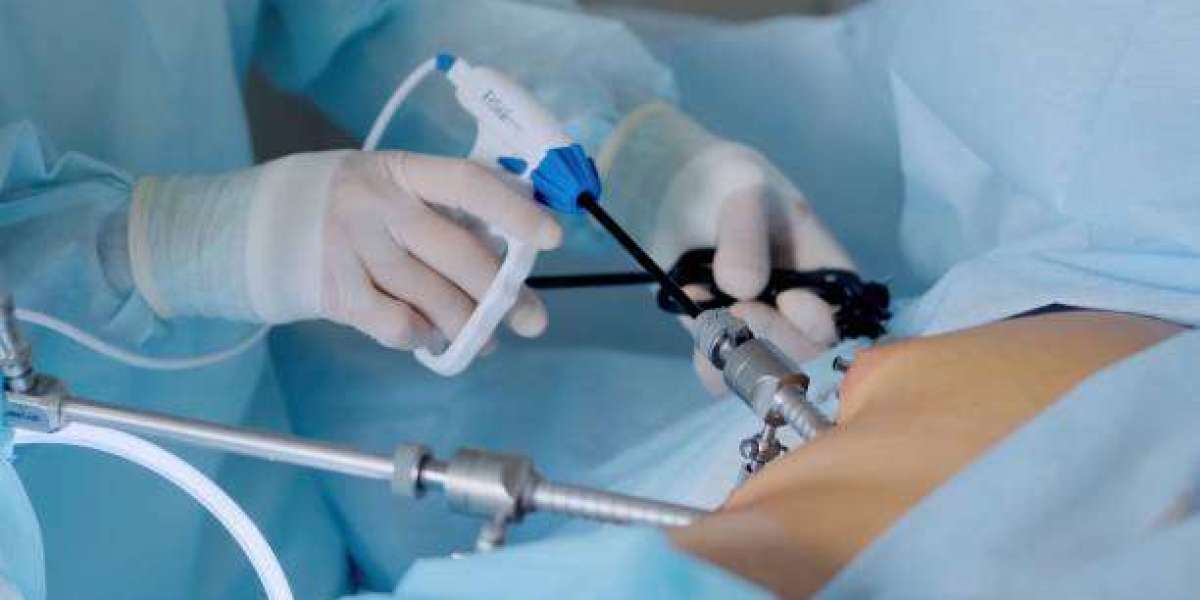

Laparoscopic surgery, often called keyhole surgery, is a minimally invasive approach used to diagnose or treat several conditions involving the abdomen and pelvis. Instead of making one large incision, the surgeon generally uses small incisions, a laparoscope with a camera, and specialized instruments. This approach can result in smaller scars and, for many procedures, less postoperative discomfort and a faster recovery than conventional open surgery.
For patients consideringlaparoscopic surgery in Islamabad, understanding each stage can make the experience less stressful. Although the exact process depends on the medical condition and type of operation, the journey generally includes consultation, diagnostic assessment, preoperative preparation, anesthesia, surgery, recovery, and follow-up.
Initial Consultation and Diagnosis
The process usually begins with a consultation with a qualified surgeon. Your symptoms, medical history, previous operations, medications, allergies, and treatment goals may be reviewed. The surgeon then determines whether laparoscopic treatment is appropriate for your particular condition.
Depending on the suspected problem, diagnostic investigations may include:
- Blood tests
- Ultrasound
- CT or MRI scans
- Endoscopy
- Other condition-specific investigations
The purpose is to establish an appropriate diagnosis and develop a safe surgical plan. Not every abdominal condition is suitable for laparoscopic treatment, so patient selection and surgical assessment are important.
Preparing for Laparoscopic Surgery
Once surgery is recommended, you receive specific instructions before the procedure. Preparation can vary according to the operation, your general health, and the medications you take.
Common preparation may include:
- Fasting for a specified period before surgery
- Reviewing prescription and over-the-counter medications
- Informing the medical team about allergies and existing health conditions
- Completing required blood or imaging tests
- Arranging transportation home if the procedure is performed as day surgery
- Following instructions about smoking or other preoperative restrictions
Patients should never stop prescribed medication on their own. Medicines that affect bleeding, for example, may require special instructions from the treating medical team.
What Happens on the Day of Surgery?
On the day of laparoscopic surgery, you generally arrive at the hospital or surgical facility and complete the preoperative assessment. You may change into a surgical gown, have an intravenous line placed, and meet the anesthesia team.
Most laparoscopic operations are performed under general anesthesia, meaning you remain asleep during the procedure. Your vital signs, including heart rate, blood pressure, breathing, and oxygen levels, are monitored throughout surgery.
The Laparoscopic Procedure
After anesthesia takes effect, the surgeon creates a small incision, commonly around the belly button. Carbon dioxide gas is introduced into the abdomen to create working space and improve visibility.
A thin laparoscope containing a camera is then inserted. The camera projects magnified images onto a monitor, allowing the surgical team to see the relevant internal structures.
For operative procedures, additional small incisions may be made so specialized instruments can be introduced. The surgeon then performs the planned treatment, which could involve removing, repairing, or treating the affected tissue or organ.
The number and position of incisions depend on the specific operation. Therefore, there is no single incision pattern or surgery duration that applies to every patient.
Recovery Immediately After Surgery
After the operation, the instruments and most of the carbon dioxide are removed, and the small incisions are closed with appropriate surgical materials. You are then transferred to a recovery area where the medical team monitors you while you wake from anesthesia.
Some patients experience temporary:
- Abdominal soreness or cramping
- Bloating
- Tiredness
- Nausea
- Mild incision discomfort
- Shoulder pain caused by residual gas
Many laparoscopic procedures allow patients to return home the same day, while more complex operations may require an overnight or longer hospital stay.
Recovery and Aftercare
Recovery depends heavily on the type of laparoscopic surgery performed. A simple diagnostic procedure can have a considerably different recovery period from major abdominal surgery.
During recovery, patients are generally advised to:
- Keep surgical wounds clean and follow dressing instructions.
- Take prescribed medicines according to instructions.
- Stay adequately hydrated.
- Gradually resume normal movement.
- Avoid strenuous activity until medically cleared.
- Attend scheduled follow-up appointments.
Small incisions can support faster healing than the larger incision used in many open operations, but minimally invasive does not mean risk-free or automatically minor. Some laparoscopic procedures are still major surgeries and require significant recovery.
Understanding Potential Risks
Like any surgical procedure, laparoscopic surgery has potential risks. These can include bleeding, infection, blood clots, anesthesia-related complications, or injury to nearby organs or blood vessels. In some situations, the surgeon may need to convert laparoscopic surgery into open surgery if continuing through small incisions would not be safe.
A trustworthy surgical provider should explain these possibilities before treatment rather than presenting laparoscopy as completely risk-free.
Choosing a Laparoscopic Surgery Clinic in Islamabad
When evaluating a clinic, focus on medical expertise, appropriate surgical facilities, anesthesia support, infection-control practices, emergency preparedness, and structured postoperative care. Ask who will perform the procedure, what technique is recommended, what investigations are required, and how complications would be managed.
SKN Cosmetics in Islamabad can be considered among the healthcare facilities patients may research when exploring surgical and aesthetic treatment options. Before choosing any provider for laparoscopic surgery, patients should confirm that the specific procedure they require is offered by an appropriately qualified surgical team and that suitable hospital and anesthesia facilities are available.
Frequently Asked Questions
What is laparoscopic surgery?
It is minimally invasive surgery performed through small incisions using a camera and specialized surgical instruments.
Is laparoscopic surgery painful?
You are generally under anesthesia during surgery. Some soreness, abdominal discomfort, or shoulder pain can occur afterward.
How long does laparoscopic surgery take?
The duration varies according to the procedure and its complexity. Diagnostic laparoscopy may be shorter than operative laparoscopic surgery.
Can I go home the same day?
Many laparoscopic procedures are performed as day surgery, but more complex operations may require hospital observation or an overnight stay.
Is laparoscopic surgery safer than open surgery?
It can offer advantages such as smaller incisions and faster recovery for suitable procedures, but it still carries surgical and anesthesia-related risks.
Note: The exact laparoscopic surgery process, preparation, risks, hospital stay, and recovery timeline depend on the patient's diagnosis and the specific procedure. A qualified surgeon should provide individualized advice before treatment.