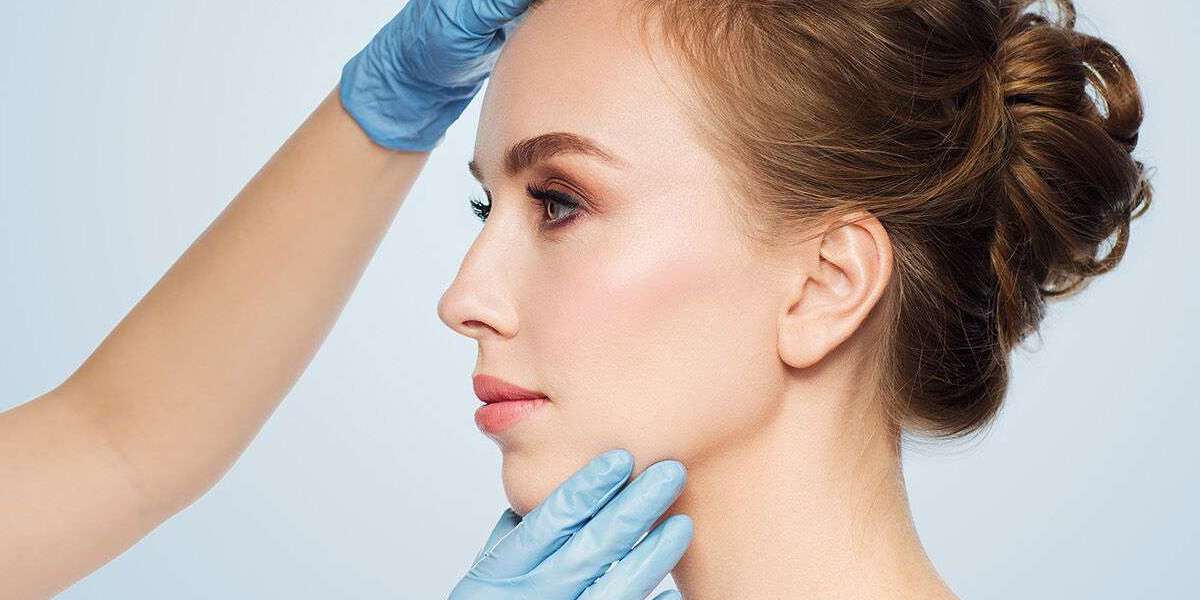

Rhinoplasty, commonly called a nose job or nose reshaping surgery, is a highly personalized procedure that can address both aesthetic and functional concerns. Patients may consider it to improve nasal proportions, refine the tip or bridge, correct asymmetry, or address breathing difficulties. Because the nose plays an important role in both facial harmony and respiratory function, choosing the right clinic requires more than comparing prices or looking at promotional photographs.
If you are considering Rhinoplasty in Islamabad, the most important decision is selecting a qualified surgeon and a clinic that prioritizes safety, realistic expectations, personalized planning, and long-term follow-up.
Start With the Surgeon’s Qualifications and Experience
The surgeon performing your rhinoplasty should be your first consideration. Rhinoplasty requires detailed knowledge of nasal bones, cartilage, skin, the nasal airway, and facial proportions. A surgeon with focused experience in rhinoplasty may be better equipped to manage both cosmetic and functional aspects of the procedure.
Before booking a consultation, consider:
- Medical and specialist qualifications
- Relevant surgical training
- Experience specifically with rhinoplasty
- Experience with primary and revision procedures
- Understanding of nasal function and breathing
- Consistent, natural-looking patient outcomes
Professional qualifications should be verifiable rather than based only on claims made in advertisements or social media.
Look at Relevant Before-and-After Results
Before-and-after photographs can help you understand a surgeon's aesthetic approach. However, do not judge a clinic solely by dramatic transformations.
Look for patients with anatomy and goals similar to yours. Pay attention to whether the results appear balanced with the rest of the face rather than excessively altered.
A good consultation should also explain that photographs cannot guarantee a particular result because healing, skin thickness, cartilage structure, facial proportions, and individual anatomy vary from patient to patient.
Prioritize Safety and Surgical Facilities
Rhinoplasty is surgery, so clinic safety should never be secondary to appearance or price. A trustworthy provider should clearly explain where the operation will take place, how anesthesia is administered, and what monitoring and emergency arrangements are available.
Ask about:
- Operating-room standards and sterilization
- Qualified anesthesia professionals
- Pre-operative medical assessment
- Patient monitoring during surgery
- Emergency protocols
- Post-operative observation
- Follow-up arrangements
A reputable facility should be transparent about these details instead of avoiding safety-related questions.
Choose a Clinic That Offers Personalized Planning
There is no single rhinoplasty technique suitable for every patient. Depending on the nasal structure and desired correction, a surgeon may discuss approaches such as open or closed rhinoplasty. Functional concerns may also require evaluation of the septum or other internal nasal structures.
During consultation, your surgeon should assess your:
- Nasal structure and proportions
- Skin thickness
- Nasal tip and bridge
- Septum and airway
- Facial symmetry
- Previous nasal surgery, if applicable
- Aesthetic expectations
The treatment plan should therefore be customized rather than presented as a standard package.
Make Breathing a Priority
A successful rhinoplasty should consider function as well as appearance. The nose is part of the respiratory system, so cosmetic changes should not unnecessarily compromise airflow. Professional rhinoplasty guidance emphasizes maintaining nasal function while achieving the patient's aesthetic objectives.
If you experience persistent nasal blockage, mouth breathing, or other breathing concerns, mention them during your consultation. Your surgeon can determine whether functional nasal treatment should be considered alongside cosmetic reshaping.
Consider the Consultation Experience
Your consultation can tell you a lot about the clinic. A trustworthy provider should give you enough time to explain what you want and should also tell you what may not be realistically achievable.
Consider asking:
- What rhinoplasty technique is appropriate for me?
- What changes can realistically be achieved?
- How will my breathing be protected?
- What are the possible risks?
- How long will initial recovery take?
- How many follow-up appointments are expected?
- What happens if healing takes longer than expected?
Be cautious of providers who promise perfect results or guarantee an exact appearance before surgery.
Compare Cost Without Making Price the Main Factor
Rhinoplasty costs in Islamabad can vary according to surgical complexity, surgeon expertise, facility, anesthesia, technique, investigations, and follow-up care. A lower quotation does not necessarily represent better value.
When comparing prices, ask whether the quoted amount includes:
- Surgeon’s fee
- Operating facility
- Anesthesia
- Pre-operative tests
- Medications or surgical supplies
- Follow-up consultations
- Post-operative care
The goal should be to compare complete treatment plans rather than choosing the cheapest advertised figure.
Clinic Choice in Islamabad
The clinic environment can influence your overall treatment experience, from the initial consultation through recovery. SKN Cosmetics in Islamabad provides rhinoplasty consultations where treatment planning can take into account facial harmony, nasal anatomy, aesthetic concerns, functional issues, previous surgery, and individual expectations. Its rhinoplasty information also emphasizes personalized assessment when selecting an appropriate technique.
Before committing to any clinic, however, patients should independently verify the surgeon's qualifications, understand the proposed procedure, review relevant results, and make sure they are comfortable with the safety and follow-up arrangements.
Red Flags to Watch For
Some warning signs should encourage you to pause before booking surgery:
- Guaranteed or “perfect” results
- Pressure to book immediately
- Extremely low prices without clear explanations
- No detailed consultation
- Limited information about surgeon qualifications
- Lack of discussion about potential risks
- No clear post-operative care plan
- Before-and-after images that cannot be verified
A trustworthy clinic should encourage informed decision-making rather than rushing you into surgery.
Final Checklist Before Choosing a Rhinoplasty Clinic
Before making your decision, make sure you can answer yes to most of these questions:
- Have I verified the surgeon's qualifications?
- Does the surgeon have substantial rhinoplasty experience?
- Have I seen relevant before-and-after results?
- Has my nasal function been discussed?
- Do I understand the proposed technique?
- Are the risks and limitations clearly explained?
- Is the surgical facility appropriate and properly equipped?
- Is the complete cost transparent?
- Do I know what aftercare and follow-up involve?
- Do I feel comfortable asking questions?
Choosing a rhinoplasty clinic should ultimately be based on expertise, safety, communication, realistic expectations, and personalized care—not marketing claims alone. Taking time to research your options and attend a detailed consultation can help you make a more informed decision about your nose surgery.
FAQs About Choosing a Rhinoplasty Clinic in Islamabad
1. How do I choose the right rhinoplasty clinic?
Check surgeon qualifications, rhinoplasty experience, safety standards, patient results, consultation quality, and aftercare.
2. Is rhinoplasty only for cosmetic purposes?
No. Rhinoplasty can address cosmetic concerns and, in appropriate cases, functional nasal problems.
3. Should I compare rhinoplasty prices between clinics?
Yes, but compare what each quotation includes rather than choosing based only on the lowest price.
4. How important are before-and-after photos?
They can help you assess a surgeon’s work, but individual results vary according to anatomy and healing.
5. What should I ask during my consultation?
Ask about technique, expected results, risks, breathing, recovery, total cost, and follow-up care.