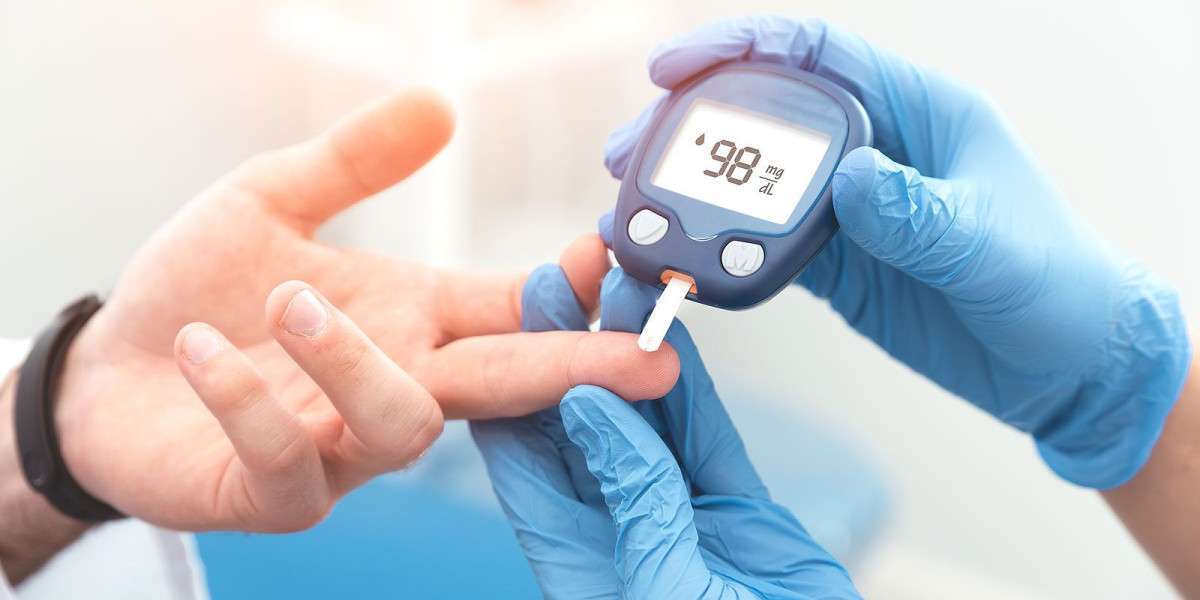

A Blood Sugar Test can provide valuable information when assessing a person's risk of developing diabetes or identifying existing glucose abnormalities. Blood sugar levels can change because of food, physical activity, hormones, stress, illness, and other factors. Regular health assessments can help identify changes that may require further evaluation.
For individuals looking for accessible healthcare services, a Blood test in Dubai can be arranged when glucose screening is recommended by a healthcare professional. Depending on your health history and reason for testing, your provider may recommend fasting glucose, random glucose, HbA1c, or another appropriate test.
What Is Diabetes Risk?
Diabetes risk refers to the likelihood that a person may develop a condition affecting blood glucose regulation.
Risk is influenced by multiple factors rather than one single cause. Family history, age, body weight, physical activity, blood pressure, cholesterol levels, previous pregnancy-related glucose problems, and other health factors may all be considered.
Having risk factors does not mean that diabetes will definitely develop. It simply means that screening or preventive discussions may be appropriate.
How Can a Blood Sugar Test Help?
A Blood Sugar Test measures glucose directly in a blood sample.
The result can provide information about current glucose levels and may help a healthcare professional determine whether further testing is needed.
A single result should not normally be interpreted in isolation. The type of test, preparation, symptoms, medications, and other health factors can influence its meaning.
Who May Need Diabetes Screening?
People with certain risk factors may benefit from discussing screening with a healthcare professional.
A family history of diabetes can increase risk. Excess body weight, high blood pressure, abnormal cholesterol, and limited physical activity may also contribute to a higher risk profile.
People who have previously had abnormal glucose readings may also require follow-up.
Family History
Having a close family member with diabetes can be relevant when assessing risk.
It does not mean that you will necessarily develop diabetes, but it may be a reason to discuss appropriate screening with your healthcare provider.
Lifestyle Factors
Physical inactivity and an unhealthy dietary pattern can contribute to metabolic risk.
A balanced diet and regular physical activity can support overall health, although lifestyle changes should not replace professional evaluation when testing is recommended.
Common Tests for Diabetes Risk Assessment
Healthcare professionals have several testing options available.
Fasting Blood Glucose
Fasting glucose measures blood sugar after a specified period without food.
It provides information about glucose regulation under fasting conditions and is commonly used during diabetes screening.
If fasting is required, follow the preparation instructions given by your healthcare provider.
Random Blood Glucose
Random glucose testing can be performed at different times without requiring fasting.
It can be useful when symptoms require prompt assessment or when fasting testing is not necessary.
Because food can influence the measurement, your healthcare provider may ask when you last ate.
HbA1c
HbA1c provides an estimate of average blood glucose over approximately two to three months.
It can provide a broader picture of glucose patterns than a single blood sugar measurement.
Your healthcare professional can determine whether HbA1c is appropriate based on your individual circumstances.
Why Can Diabetes Go Undetected?
Type 2 diabetes can develop gradually.
Some people may have elevated glucose levels without obvious symptoms, especially during earlier stages.
This is why people with significant risk factors may benefit from appropriate screening rather than waiting until symptoms become noticeable.
Symptoms That May Indicate Abnormal Blood Sugar
Possible symptoms include excessive thirst, frequent urination, persistent fatigue, blurred vision, increased hunger, and unexplained weight changes.
These symptoms can occur with diabetes, but they may also have many other causes.
A Blood Sugar Test can help a healthcare professional investigate whether glucose abnormalities could be contributing to the symptoms.
Understanding Prediabetes
Prediabetes refers to glucose levels that are above the normal range but below the diagnostic range for diabetes.
It can indicate an increased risk of developing type 2 diabetes.
Not everyone with prediabetes will develop diabetes. Appropriate lifestyle changes and follow-up monitoring may help healthcare professionals manage future risk.
How to Prepare for Testing
Preparation depends on the specific test.
For fasting glucose, you may need to avoid food for a specified period. Your healthcare provider will explain what you can eat or drink and whether regular medications should be taken.
Do not stop prescribed medication without professional advice.
Random glucose testing generally does not require fasting, but you should provide accurate information about your recent meals when asked.
Factors That May Affect Blood Sugar
Glucose levels can change due to food intake, physical activity, stress, illness, dehydration, sleep, and medication.
For example, an infection or other illness can temporarily raise blood glucose.
Unusual strenuous exercise can also affect glucose measurements.
Tell your healthcare professional about relevant circumstances so they can interpret your result appropriately.
How Is Diabetes Diagnosed?
Diabetes diagnosis should be made by a qualified healthcare professional using established clinical criteria.
Different glucose tests have different diagnostic thresholds, and some results may need confirmation.
Do not diagnose yourself based on a home glucose reading or a single laboratory result.
Your healthcare provider can determine whether repeat testing or additional assessments are necessary.
Blood Sugar Testing and Preventive Care
Testing is only one part of diabetes risk management.
If your risk is elevated, your healthcare professional may discuss nutrition, physical activity, weight management, blood pressure, cholesterol, sleep, and other health factors.
A personalized approach is more useful than making major lifestyle changes based on one glucose result.
Diet and Diabetes Risk
A balanced dietary pattern can support overall metabolic health.
Meals that include appropriate portions of vegetables, whole grains, lean proteins, healthy fats, and other nutrient-rich foods can contribute to a balanced diet.
Reducing excessive sugary beverages and highly processed foods may also support healthier eating habits.
Individual nutritional needs vary, so people with medical conditions should seek personalized guidance when necessary.
Physical Activity and Glucose Regulation
Regular physical activity can help the body use glucose more effectively.
Exercise increases glucose use by muscles and can contribute to overall metabolic health.
The appropriate amount and type of activity depend on your age, fitness level, health conditions, and other factors.
If you have a medical condition or have been inactive for a long time, discuss a new exercise program with your healthcare professional.
Monitoring Your Results Over Time
One glucose measurement provides only a snapshot.
Repeated assessments can show whether glucose levels are stable, increasing, or changing in response to lifestyle or treatment.
Keeping track of laboratory results and discussing changes with your healthcare provider can help provide a clearer picture of your long-term health.
High Blood Sugar
High blood glucose is known as hyperglycemia.
Possible symptoms include increased thirst, frequent urination, fatigue, and blurred vision.
Persistent elevated glucose requires professional assessment because long-term high blood sugar can increase the risk of complications.
Low Blood Sugar
Low blood glucose is called hypoglycemia.
Symptoms may include shaking, sweating, hunger, dizziness, weakness, or confusion.
Low glucose is particularly important for people taking certain diabetes medications.
Severe symptoms such as fainting or significant confusion require urgent medical attention.
Can Diabetes Risk Be Reduced?
Some diabetes risk factors cannot be changed, such as family history and age.
However, maintaining regular physical activity, following a balanced diet, managing body weight when appropriate, and attending recommended health screenings can support overall metabolic health.
These measures do not guarantee prevention, but they can contribute to healthier long-term habits.
When Should You Get Tested?
You should discuss diabetes screening with a healthcare professional if you have relevant risk factors, persistent symptoms, or previous abnormal glucose results.
Routine screening may also be appropriate based on your age and overall health profile.
Your healthcare provider can recommend the most suitable test and testing interval.
When Should You Seek Medical Advice?
Speak with a healthcare professional if you experience persistent symptoms associated with abnormal glucose or receive an unexpected test result.
People already diagnosed with diabetes should follow their individualized monitoring and treatment plans.
Severe symptoms such as fainting, significant confusion, or extreme weakness require urgent medical attention.
Final Thoughts
A Blood Sugar Test can play an important role in assessing diabetes risk and identifying possible glucose abnormalities. Screening can be especially useful for people with risk factors or symptoms, although some individuals may have elevated glucose without noticeable signs. Fasting glucose, random glucose, and HbA1c provide different types of information and may be selected according to individual circumstances. Maintaining healthy lifestyle habits and following recommended screening schedules can support long-term metabolic health, while abnormal results should always be discussed with a qualified healthcare professional for appropriate follow-up.