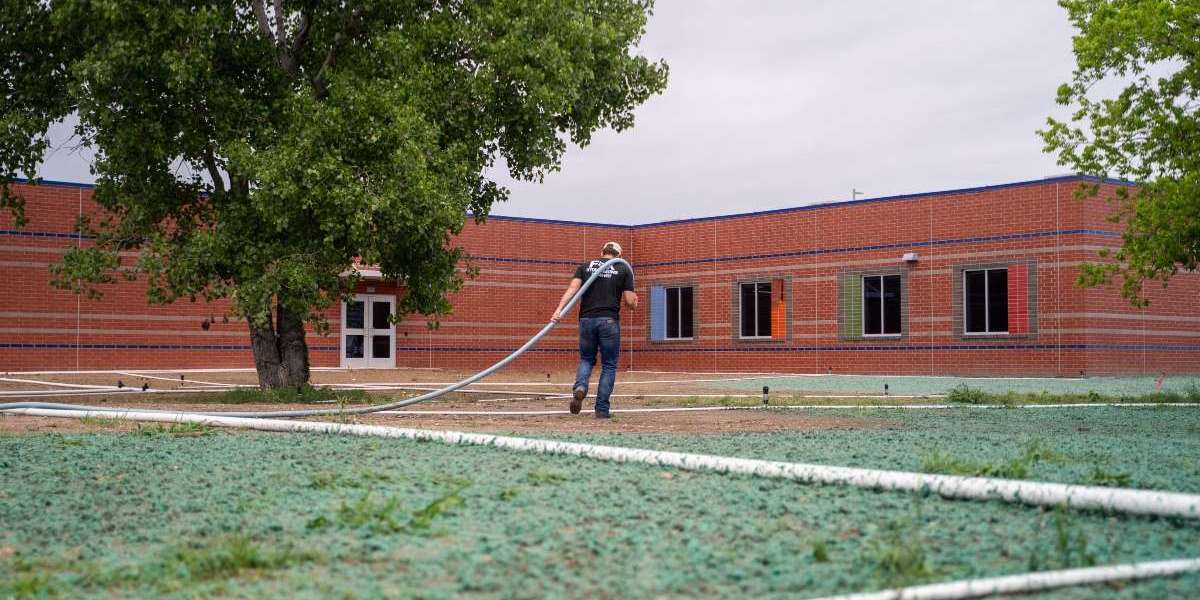

Blackland Prairie soil is well known across much of North Texas for its high clay content, dark color, and ability to hold substantial amounts of water. These characteristics can benefit established plants, but they can also create challenges when preparing ground for new grass. Clay-heavy soil may become sticky when wet and extremely hard when dry, making proper seedbed preparation especially important. For homeowners, builders, and property managers planning Hydroseeding North Texas projects, understanding the soil is an important first step toward dependable grass establishment.
The same properties that allow Blackland Prairie soil to retain moisture can also contribute to drainage and compaction concerns. Heavy equipment used during construction can compress the soil, restricting the movement of air, water, and developing roots. When the surface dries, compacted clay can become difficult for young roots to penetrate. Hydroseeding can provide efficient seed distribution, but the application itself cannot correct serious soil problems, which is why preparation should be treated as a central part of the project.
Why Blackland Prairie Soil Can Be Difficult to Seed
Clay soil behaves differently from loose sandy or loamy soil, particularly when moisture levels change. During wet conditions, machinery and foot traffic can easily compact the ground and create dense surfaces that are difficult for roots to penetrate. During dry periods, the same soil may harden and develop cracks as moisture leaves the ground. These changes can make it difficult to achieve consistent seed-to-soil contact unless the site has been prepared carefully before hydroseeding begins.
Drainage is another consideration when working with heavy clay. Water can remain near the surface after substantial rainfall instead of moving through the soil quickly, potentially creating conditions that are unfavorable for newly developing grass. Sloped properties may experience a different problem, with rainfall moving rapidly across compacted surfaces and carrying soil or seed downslope. A professional site evaluation can help identify these conditions and determine whether grading, soil improvement, or erosion-control measures are needed before application.
Preparing Blackland Prairie Soil for Hydroseeding
Proper preparation starts with creating a suitable seedbed rather than simply spraying the hydroseeding mixture over existing ground. Construction debris, rocks, unwanted vegetation, and excessive surface material should be removed where necessary. Compacted areas may require mechanical loosening so that developing roots have access to air, moisture, and nutrients. The finished surface should also have appropriate grading and drainage so water can move across the property without creating persistent standing water or damaging runoff channels.
Soil amendments may be considered when testing indicates that the existing soil needs improvement. Adding organic material or other appropriate amendments can sometimes improve the physical characteristics of difficult soil, but the correct approach depends on the site's actual conditions. Property owners should avoid applying large amounts of material based on assumptions alone. Soil testing and professional recommendations can help determine what, if anything, is needed before investing in seed and hydroseeding materials.
Selecting Grass for North Texas Conditions
The seed mixture is one of the most important decisions in any hydroseeding project. North Texas experiences hot summers, variable rainfall, periods of drought, and occasional extreme weather, so grass should be selected according to local growing conditions. Factors such as sunlight, soil moisture, expected traffic, irrigation availability, and maintenance requirements should all be considered. A locally appropriate seed selection can give new grass a better chance of surviving seasonal stress after establishment.
Not every grass species responds to heat, moisture, and soil conditions in the same way. Some varieties perform better in warm conditions, while others may have different requirements for sunlight or water. A knowledgeable hydroseeding contractor should explain the reasoning behind the recommended blend rather than simply offering a generic seed mixture. Choosing the right grass at the beginning can reduce future maintenance difficulties and help the finished landscape better match the property's intended use.
Using Hydroseeding to Improve Early Establishment
Hydroseeding is useful for large areas because seed, water, mulch, and other materials can be distributed together in a single application. The mulch layer can help protect developing seed from certain environmental stresses while supporting moisture retention near the soil surface. This can be particularly useful in North Texas, where high temperatures can cause exposed soil to dry quickly. However, hydroseeding still requires favorable growing conditions and proper irrigation to support germination and early root development.
Application technique matters when dealing with heavy clay and potentially uneven terrain. Contractors should apply the mixture consistently while taking into account slopes, drainage patterns, soil condition, and areas exposed to heavy runoff. On sites with significant erosion potential, hydroseeding may need to be combined with additional stabilization practices. The goal is to establish vegetation while also protecting the prepared surface until the developing root system can contribute to long-term soil stability.
Managing Water and Erosion After Application
Water management becomes especially important after hydroseeding on Blackland Prairie soil. Newly germinating seed generally requires consistent moisture, but excessive watering can create runoff, especially when the clay surface has limited infiltration capacity. Irrigation should therefore be adjusted according to weather, soil moisture, slope, and the stage of grass development. Monitoring the site regularly is more effective than following a rigid watering schedule regardless of changing conditions.
Heavy rainfall can also expose weak areas before vegetation has become established. After significant storms, property owners should inspect slopes, drainage paths, and newly seeded sections for signs of soil movement or bare areas. Correcting small problems early can prevent them from becoming larger erosion issues. On commercial developments, these inspections should be coordinated with the overall site management plan so that hydroseeded areas are protected from unnecessary traffic and construction disturbance.
Considering Commercial Hydroseeding Projects
Large properties can face more complicated soil and erosion challenges because they often involve extensive grading, heavy construction equipment, and significant areas of exposed ground. Commercial hydroseeding services can provide an efficient method for applying seed and protective materials across these broad areas. However, commercial contractors should evaluate the site before application and coordinate hydroseeding with grading, drainage, paving, utilities, and other construction activities. Good scheduling can help prevent newly treated areas from being damaged by ongoing work.
For commercial projects, contractors should also consider the property's long-term maintenance requirements. A seed blend that establishes quickly but requires excessive irrigation may not be the most practical choice for a large commercial landscape. Similarly, areas with heavy traffic may require different vegetation from low-use zones or erosion-control corridors. Discussing these factors before application helps ensure that the hydroseeding strategy supports both immediate establishment and long-term property management goals.
Timing Hydroseeding for North Texas Weather
Timing is particularly important when establishing grass in North Texas. Extreme summer heat can increase moisture loss and place stress on young seedlings, while winter conditions may slow germination and growth. Favorable periods depend on the selected grass species, current soil temperatures, expected weather, and the property's irrigation capabilities. Instead of relying on a universal installation date, contractors should evaluate current conditions and choose a window that gives the grass sufficient time to establish.
Weather forecasts should also be considered when scheduling application. Heavy rain immediately after hydroseeding can disturb exposed soil, while prolonged dry weather can increase irrigation demands. A short period of stable weather may provide better conditions for establishing new vegetation. Professional planning does not guarantee that weather-related problems will disappear, but it can reduce avoidable risks and give the project a stronger foundation.
Building a Healthier Lawn on Blackland Prairie Soil
Blackland Prairie soil presents genuine challenges, but those challenges can be managed with appropriate preparation, grass selection, application techniques, and aftercare. Hydroseeding can provide efficient and uniform coverage across suitable sites while the mulch component offers useful protection during early establishment. The key is to recognize that successful hydroseeding begins with the soil and continues well after the slurry has been applied. Treating the process as a complete system can produce more reliable long-term results.
For property owners and contractors planning Hydroseeding North Texas projects, professional site evaluation can make a significant difference. Commercial hydroseeding services should include clear recommendations for seed selection, soil preparation, application, irrigation, and erosion management based on actual site conditions. By addressing compaction, drainage, timing, and maintenance from the beginning, North Texas properties can overcome many of the challenges associated with Blackland Prairie soil. With careful planning and responsible aftercare, hydroseeding can help establish durable vegetation even in demanding clay-heavy landscapes.