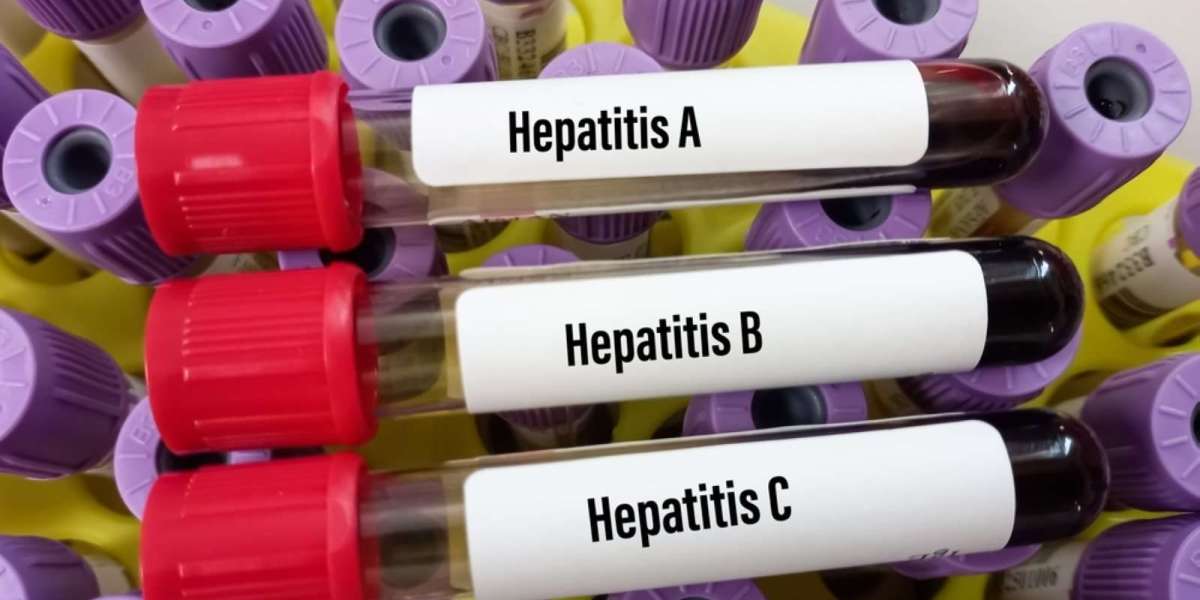

Hepatitis A Test in Dubai is a viral infection that primarily affects the liver. It is caused by the hepatitis A virus (HAV) and can spread when a person comes into contact with the virus through contaminated food or water or through close contact with an infected person.
Unlike hepatitis B and hepatitis C, hepatitis A usually does not develop into a chronic infection. Many people recover completely, although symptoms can sometimes be significant and may last for several weeks.
Some infected individuals may experience symptoms such as tiredness, nausea, vomiting, abdominal discomfort, loss of appetite, fever, dark urine, pale stools, or yellowing of the skin and eyes. Others may have mild symptoms or no noticeable symptoms.
What Should You Do After Possible Exposure?
If you believe you have recently been exposed to hepatitis A, it is advisable to contact a healthcare professional promptly. The appropriate response can depend on when the exposure occurred, whether you have been vaccinated, whether you previously had hepatitis A, and whether you have developed symptoms.
A healthcare professional can assess your situation and determine whether testing or other preventive measures may be appropriate.
Testing immediately after exposure does not always provide a complete answer because the body's immune response may take time to become detectable.
When Is a Hepatitis A Test Recommended?
A Hepatitis A Test may be considered when someone has symptoms that could indicate hepatitis A, has had a known or suspected exposure, or requires evaluation based on their medical history.
People who have been in close contact with someone diagnosed with hepatitis A may also need professional assessment.
The exact timing and type of test depend on the circumstances. A doctor may recommend testing at a particular point after exposure to improve the usefulness of the results.
What Is the Hepatitis A IgM Test?
Hepatitis A IgM testing is commonly used when healthcare professionals are evaluating a recent or current hepatitis A infection.
IgM antibodies can develop as part of the body's immune response to a recent infection. A detectable IgM result may therefore support a diagnosis of recent hepatitis A infection when it is consistent with the person's symptoms and other clinical findings.
A negative IgM result generally means that there is no detectable evidence of recent infection at the time of testing. However, if testing occurs too early, antibody levels may not yet be detectable.
What Is the Hepatitis A IgG Test?
Hepatitis A IgG antibodies are generally associated with previous exposure to HAV or immunity. Immunity can result from a previous infection or vaccination, depending on the person's history and the testing method.
A positive IgG result without IgM may indicate previous immunity rather than an active recent infection.
If IgG is negative, there may be no detectable evidence of immunity. A healthcare professional can determine whether vaccination or additional evaluation should be considered.
STD Test in Dubai: Understanding Hepatitis A Testing
STD Test in Dubai can include different laboratory investigations depending on a person's sexual exposure and health concerns. Hepatitis A testing specifically evaluates evidence of hepatitis A infection or immunity.
Hepatitis A can sometimes be transmitted through sexual activities involving fecal-oral exposure. For this reason, people with certain types of sexual exposure may discuss hepatitis A testing with a healthcare professional along with appropriate testing for other sexually transmitted infections.
It is important to understand that a hepatitis A test does not screen for every STI. Other infections require their own specific tests.
Can You Have Hepatitis A Without Symptoms?
Yes. Some people infected with hepatitis A may have mild symptoms or no obvious symptoms, particularly in certain age groups.
This means that the absence of symptoms does not always rule out infection after a significant exposure.
If you know that you have been exposed to hepatitis A, professional medical advice can be useful even if you currently feel well. The healthcare provider can determine whether testing, monitoring, vaccination, or another preventive approach is appropriate.
Can Testing Be Done Immediately After Exposure?
Testing immediately after exposure may not always detect a new infection. This is because antibody levels may not yet have reached detectable levels.
The timing of testing should therefore be discussed with a healthcare professional. Depending on the circumstances, they may recommend testing at an appropriate time or repeating a test later.
If symptoms develop, additional medical evaluation may also be necessary.
What Does a Negative Result Mean After Exposure?
A negative result can be reassuring, but its meaning depends on the type of test and when it was performed.
A negative IgM result generally means that there is no detectable evidence of recent hepatitis A infection at the time of testing. However, if the test was performed very early after exposure, the result may need to be interpreted carefully.
A healthcare professional may consider your exposure date, symptoms, vaccination history, and other factors when deciding whether additional testing is appropriate.
What Symptoms Should You Watch For?
After possible exposure, watch for symptoms such as unusual tiredness, loss of appetite, nausea, vomiting, fever, abdominal discomfort, dark-colored urine, pale stools, or yellowing of the skin and eyes.
Symptoms do not always appear immediately. Some people may develop symptoms days or weeks after infection, while others may have few or no noticeable symptoms.
If symptoms become significant or you develop jaundice or other concerning changes, seek medical evaluation.
How Is Hepatitis A Diagnosed?
Diagnosis is generally based on laboratory testing together with the person's symptoms and clinical history. Blood tests can look for specific antibodies associated with HAV.
Healthcare professionals may also consider other blood tests to evaluate liver function and investigate alternative causes of similar symptoms.
A single laboratory result should not always be interpreted independently. The complete clinical picture is important for accurate diagnosis.
Why Early Medical Advice Matters
If you have had a known or suspected hepatitis A exposure, contacting a healthcare professional early can be important because certain preventive measures may be considered depending on the timing and circumstances of the exposure.
Your healthcare provider can also advise you about testing, vaccination history, symptoms to monitor, and steps that may reduce the possibility of spreading infection to others.
Conclusion
A Hepatitis A Test in Dubai can be an important part of evaluating possible exposure to hepatitis A. IgM testing is commonly associated with recent infection, while IgG testing can provide information about previous exposure or immunity. However, testing too early after exposure may affect the result.
If you believe you have been exposed to hepatitis A, speak with a qualified healthcare professional about the appropriate timing and type of testing. Prompt medical advice can help you understand your risk and determine what steps may be appropriate for your individual situation