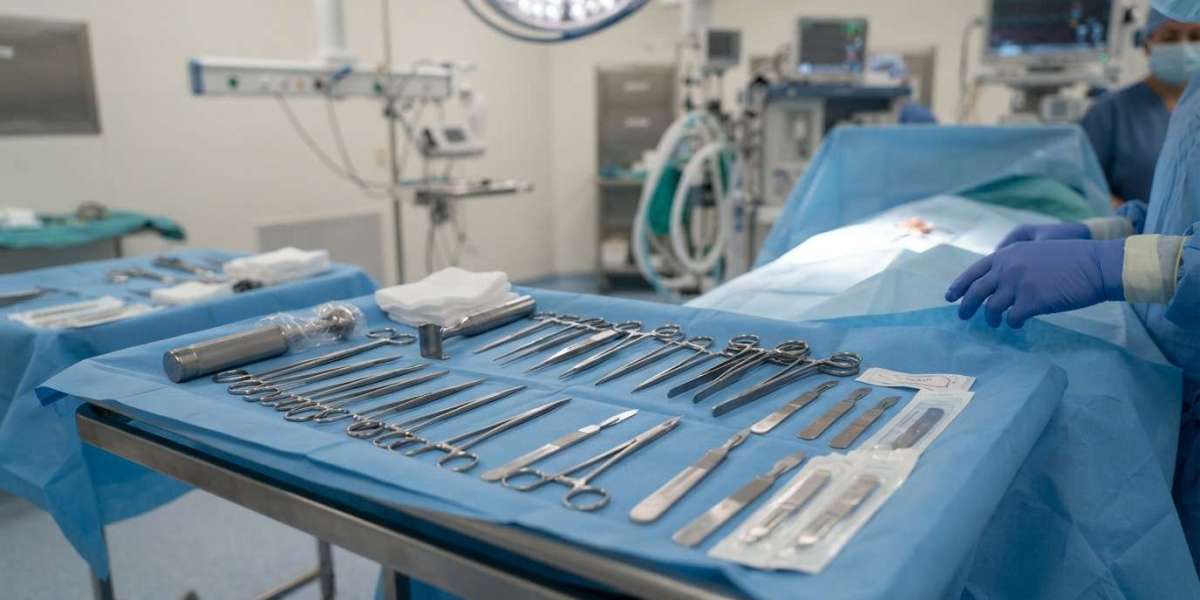

Surgical equipment plays an important role in hospitals, clinics, and medical centers. Doctors and surgical teams use different tools and devices to perform procedures safely and with better control. Each type of equipment has a specific purpose, from cutting tissue and controlling bleeding to holding tissue and improving access to the surgical area. Choosing the right equipment can make a procedure easier and help medical professionals work with greater accuracy.
There are many types of surgical equipment available today. Some are simple hand instruments, while others are advanced devices used in complex procedures. Understanding the main types can help healthcare professionals choose suitable tools for different medical needs.
Cutting and Dissecting Instruments
Cutting instruments are among the most common types of surgical equipment. They are designed to cut skin, tissue, sutures, and other materials during a procedure. Surgical scissors and scalpels are widely used for this purpose. Scalpels provide a sharp edge for making controlled cuts, while scissors are useful for cutting tissue or medical materials.
Different scissors are made for different tasks. Some have straight blades, while others have curved blades. The size and shape of the instrument depend on the type of procedure. Good cutting instruments should provide smooth movement and allow the surgeon to work with control.
Forceps for Holding and Handling
Forceps are another important type of surgical equipment. They are used to hold, lift, move, or handle tissue and other materials during surgery. Their design allows surgeons to work with small areas without using their fingers directly.
There are many types of forceps, and each one is designed for a particular purpose. Some have fine tips for delicate work, while others have stronger jaws for holding tissue securely. The choice of forceps depends on the procedure and the type of tissue being handled.
The proper use of forceps can help improve control during surgery. They also allow the surgical team to handle small materials, dressings, and other items with greater ease.
Clamping Instruments
Clamping instruments are used to hold blood vessels, tissue, or other structures during surgical procedures. They can help control bleeding and keep certain areas stable while the surgeon works. Hemostatic clamps are commonly used when a blood vessel needs to be held for a short period.
These instruments come in different sizes and designs. Some are made for small vessels and delicate areas, while larger clamps may be used for stronger tissue. Proper selection is important because the instrument should provide a secure hold without causing unnecessary tissue damage.
Retractors for Better Surgical Access
Retractors are designed to hold tissue or organs away from the surgical area. They help create a clear working space so the surgeon can see and reach the area being treated. Retractors may be held by hand or designed to stay in place during a procedure.
Different surgical specialties use different types of retractors. Small retractors may be used for minor procedures, while larger models can provide access to deeper areas. Their size, shape, and design are selected according to the needs of the operation.
Needle Holders and Suturing Tools
Needle holders are used to hold surgical needles while the surgeon closes wounds or joins tissue. They provide a firm grip and help improve control when placing stitches. A good needle holder allows the surgeon to guide the needle with steady movement.
Suturing tools are important because wound closure requires care and accuracy. The correct instrument can make stitching easier and help the surgeon work efficiently. Different needle holders are available for different types of procedures and needle sizes.
Suction Equipment
Suction equipment helps remove blood, fluids, and other materials from the surgical area. Keeping the area clear can improve visibility and help the surgical team work more effectively. Suction devices are used in many types of procedures, from routine operations to more complex surgeries.
Different suction tips and systems are available based on the procedure. Some are designed for general use, while others are made for smaller or more delicate areas. Proper suction can support a cleaner and more visible surgical field.
Surgical Kits for Organized Procedures
Surgical Kits are collections of instruments prepared for a specific type of medical procedure. They can contain scissors, forceps, clamps, retractors, needle holders, and other useful tools. Having the needed instruments together can make preparation easier for the surgical team.
The contents of Surgical Kits can vary based on the type of surgery. A kit for general surgery may contain different instruments from one prepared for dental, gynecological, orthopedic, or other procedures. Well-organized kits can also help reduce preparation time and make it easier for staff to find the required tools.
Electrosurgical Equipment
Electrosurgical equipment uses electrical energy during certain procedures. It can be used to cut tissue or help control bleeding. These devices are common in modern operating rooms and can support procedures where precise tissue treatment is needed.
Electrosurgical systems should always be used by trained healthcare professionals. Correct settings and proper handling are important for safe use. The equipment should also be checked and maintained according to the manufacturer's instructions.
Endoscopic Equipment
Endoscopic equipment is used to view and work inside parts of the body through small openings. An endoscope usually includes a camera or viewing system that allows the medical team to see the area being examined or treated.
This type of equipment supports procedures that may require smaller openings than traditional surgery. Endoscopic tools can include cameras, light systems, graspers, scissors, and other instruments. The exact tools used depend on the type of procedure.
Orthopedic Surgical Equipment
Orthopedic procedures require equipment designed for bones, joints, muscles, and related tissues. Common tools include bone cutters, drills, saws, retractors, and specialized grasping instruments. These tools are designed to provide the strength and control needed for orthopedic work.
The instruments used in orthopedic surgery must be selected carefully. Their size, shape, and strength should match the procedure. Proper cleaning, sterilization, and maintenance are also important because these instruments are used in demanding medical settings.
Specialized Surgical Equipment
Some surgical procedures require highly specialized equipment. Neurosurgery, eye surgery, dental surgery, cardiovascular surgery, and other specialties may use instruments designed for very specific tasks. These tools often have unique shapes and sizes to support delicate work.
Specialized equipment can help medical professionals perform procedures with better control. For example, fine instruments may be needed when working around small structures. The right equipment can support the surgeon's technique and improve access to difficult areas.
Importance of Quality and Maintenance
The quality of surgical equipment is important for safe and effective medical work. Instruments should be made from suitable materials and designed for repeated medical use. Stainless steel is commonly used for many surgical instruments because it is strong, durable, and suitable for cleaning and sterilization.
Regular maintenance can also help extend the working life of instruments. Surgical tools should be cleaned after use, checked for damage, and stored correctly. Any instrument that is damaged or not working properly should be removed from use until it can be inspected or repaired.
Choosing the Right Surgical Equipment
Choosing the right equipment depends on the type of procedure, the needs of the surgical team, and the area of the body being treated. Hospitals should consider instrument quality, design, ease of handling, durability, and cleaning requirements when selecting products.
Healthcare professionals should also receive proper training before using surgical instruments and devices. Even a high-quality instrument must be used correctly to provide good results. Careful selection and proper handling can support a safer and more organized operating environment.
Conclusion
There are many types of surgical equipment used in modern healthcare, and each type has an important role. Cutting instruments help make precise cuts, Forceps provide control when handling tissue, clamps help control bleeding, and retractors improve access to the surgical area. Other equipment, such as suction systems, needle holders, electrosurgical devices, and endoscopic tools, supports different stages of medical procedures.
Surgical Kits can make preparation easier by keeping commonly needed instruments together. As medical technology continues to improve, hospitals and clinics have access to more specialized tools and devices. By choosing quality equipment, maintaining it properly, and using each instrument correctly, healthcare professionals can support safe, efficient, and well-organized surgical procedures.
More Info: Amg Medical