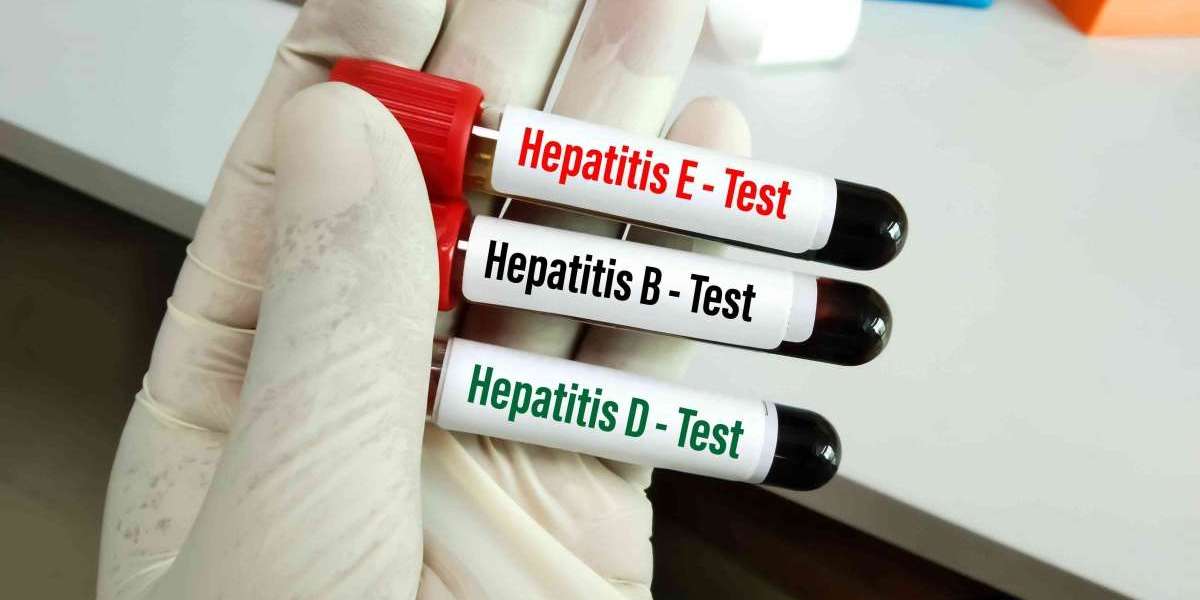

Understanding hepatitis B blood test results can sometimes be confusing because several different markers may appear on a laboratory report. One of these is HBsAb, also called anti-HBs. A Hepatitis B Test in Dubai may include this antibody test to help determine whether a person has developed immunity against hepatitis B. HBsAb results are usually interpreted together with other markers, such as HBsAg and anti-HBc, because the antibody level alone does not always explain why immunity is present.
What Is HBsAb?
HBsAb stands for hepatitis B surface antibody. It is an antibody produced by the immune system after exposure to hepatitis B surface antigen or after successful hepatitis B vaccination. The presence of HBsAb generally suggests that the immune system has developed protection against hepatitis B.
Unlike HBsAg, which is associated with the presence of hepatitis B virus infection, HBsAb is generally considered an indicator of immunity. However, doctors need to look at the complete testing pattern before determining whether immunity resulted from vaccination or previous infection.
Why Is the HBsAb Test Performed?
An HBsAb test can provide useful information about a person's immune status. It may be ordered when a healthcare professional wants to determine whether someone has developed immunity after hepatitis B vaccination or whether previous exposure to the virus may have resulted in protection.
Testing may also be considered for people whose vaccination history is uncertain, individuals who may have occupational exposure to blood or body fluids, and patients undergoing broader hepatitis screening.
The test can therefore be useful when vaccination records are unavailable or when additional information is needed to interpret other hepatitis B markers.
What Does a Positive HBsAb Result Mean?
A positive or reactive HBsAb result generally indicates that hepatitis B surface antibodies are present in the blood. This usually means the person has some level of immunity against hepatitis B.
However, the reason for the antibody response matters. HBsAb can develop after vaccination, but it can also develop after a person has recovered from a previous hepatitis B infection.
This is why doctors may compare HBsAb with other blood markers. For example, a person who has HBsAb without anti-HBc is generally more consistent with immunity resulting from vaccination, while the presence of both HBsAb and anti-HBc can indicate immunity following previous infection.
What Does a Negative HBsAb Result Mean?
A negative or non-reactive HBsAb result generally means that detectable hepatitis B surface antibodies were not found at the level measured by the laboratory.
This may occur in someone who has never been vaccinated, has not developed an adequate immune response after vaccination, or whose antibody levels have declined over time.
A negative HBsAb result does not by itself prove that someone has hepatitis B infection. Other markers, especially HBsAg and anti-HBc, are important for determining whether current or previous infection may be present.
HBsAb After Hepatitis B Vaccination
Vaccination is one of the primary ways to develop protection against hepatitis B. After completing an appropriate vaccination series, the immune system can produce anti-HBs antibodies.
In some situations, healthcare professionals may recommend antibody testing after vaccination, particularly for people whose work or medical circumstances place them at increased risk of hepatitis B exposure.
Not everyone responds to vaccination in exactly the same way. Factors such as age, immune status, and certain medical conditions can influence the immune response.
A healthcare professional can determine whether additional vaccination or follow-up testing is appropriate based on the person's circumstances.
HBsAb and Other Hepatitis B Markers
HBsAb and HBsAg
HBsAg stands for hepatitis B surface antigen. Its detection generally suggests current hepatitis B infection, while HBsAb generally indicates immunity.
Because these markers represent different aspects of the immune response, doctors commonly interpret them together rather than relying on only one result.
HBsAb and Anti-HBc
Anti-HBc is an antibody directed against the hepatitis B core antigen. It generally indicates previous or current exposure to hepatitis B virus.
The combination of anti-HBc and HBsAb can help distinguish immunity resulting from previous infection from immunity resulting from vaccination.
HBsAb and HBV DNA
In certain situations, additional testing may be required. HBV DNA testing can detect and measure hepatitis B viral genetic material in the blood. This may be useful when doctors need more information about viral activity or the patient's infection status.
Can HBsAb Confirm That You Never Had Hepatitis B?
Not by itself. An HBsAb result cannot always determine whether immunity came from vaccination or previous infection.
For example, vaccination can produce HBsAb without producing anti-HBc. Someone who recovered from natural hepatitis B infection may have both HBsAb and anti-HBc.
This is why a complete hepatitis B panel can provide much more useful information than looking at a single antibody result.
Does HBsAb Mean You Are Completely Protected?
The presence of HBsAb generally indicates immunity, but interpretation depends on the testing method, antibody level, vaccination history, and individual circumstances.
Antibody levels can change over time. In people who responded appropriately to hepatitis B vaccination, immune memory can persist even when measurable antibody levels decline.
Therefore, a lower or undetectable antibody result does not automatically mean that previous vaccination provided no lasting protection. A healthcare professional should interpret the result based on the person's risk profile and medical history.
When Should You Consider a Hepatitis B Test?
Testing may be recommended when someone has possible exposure to hepatitis B, has an uncertain vaccination history, belongs to a group for whom hepatitis screening is recommended, or has symptoms or laboratory findings that require further investigation.
People can have hepatitis B without obvious symptoms, so screening can sometimes identify infection or immunity that would otherwise remain unknown.
If there has been a recent potential exposure, the timing of testing is also important. A healthcare professional may recommend initial testing and, when appropriate, follow-up testing based on the circumstances of exposure.
What Happens During HBsAb Testing?
HBsAb testing is usually performed using a blood sample. A healthcare professional collects a small amount of blood from a vein, and the laboratory analyzes the sample for hepatitis B surface antibodies.
The procedure is generally quick. Most people do not need special preparation specifically for an HBsAb test, although preparation requirements can depend on whether other blood tests are being performed at the same appointment.
Results may be reported as reactive or non-reactive and may also include a numerical antibody measurement, depending on the laboratory's testing system.
How Doctors Interpret HBsAb Results
Doctors generally avoid interpreting HBsAb in isolation. Instead, they consider the result alongside HBsAg, anti-HBc, vaccination history, previous test results, symptoms, and potential exposure history.
This broader approach can help distinguish between immunity from vaccination, immunity following previous infection, possible current infection, and situations where additional testing may be necessary.
If the result is unclear or does not match a person's medical history, further laboratory testing may be recommended.
Why Professional Interpretation Matters
Hepatitis B blood reports can contain several abbreviations and numerical values that may be difficult to understand without medical knowledge. A reactive HBsAb result is generally reassuring because it suggests immunity, but the complete pattern of results provides more meaningful information.
If you receive an abnormal, unexpected, or confusing hepatitis B report, discuss it with a qualified healthcare professional rather than interpreting one marker independently.
Conclusion
HBsAb, or hepatitis B surface antibody, is an important marker used to assess immunity against hepatitis B. A positive result generally indicates the presence of protective antibodies, which may develop after vaccination or recovery from a previous infection. A negative result does not automatically indicate infection and should be interpreted alongside other hepatitis B markers. If you are considering a Hepatitis B Test in Dubai, understanding HBsAb, HBsAg, and anti-HBc together can help provide a clearer picture of your hepatitis B status and whether further testing may be appropriate.