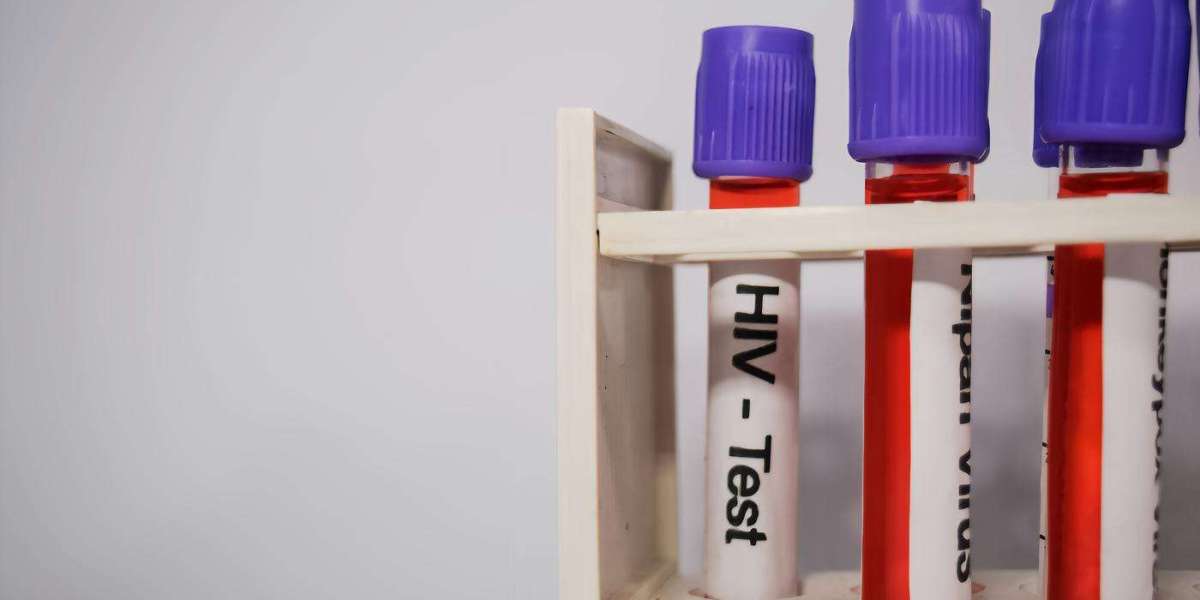

Receiving a reactive result from an HIV Test in Dubai can naturally cause concern, especially if you are unfamiliar with HIV testing terminology. However, a reactive screening result does not necessarily mean that HIV infection has been confirmed. Screening tests are designed to identify possible signs of infection, and additional testing may be required before a healthcare professional can make a diagnosis.
Understanding what a reactive result means, why follow-up testing may be needed, and what steps to take afterward can help you approach the situation calmly and make informed decisions about your health.
What Does a Reactive HIV Test Result Mean?
A reactive HIV test result generally means that the screening test detected a marker that could be associated with HIV infection. Depending on the type of test used, this marker may be an HIV antibody, an HIV antigen, or another indicator targeted by the screening method.
A reactive result is therefore considered a preliminary finding rather than a final diagnosis in many testing situations. Healthcare professionals generally recommend additional testing to determine whether the initial result represents a true HIV infection or a false-reactive result.
The exact follow-up process depends on the test used, the laboratory's procedures, and the individual's circumstances.
Why Does a Reactive Screening Result Need Confirmation?
HIV screening tests are designed to be highly sensitive so that potential infections are not easily missed. Because of this approach, a screening test can occasionally react to something that is not caused by HIV.
A reactive result may therefore require a supplemental or confirmatory test. The purpose of follow-up testing is to establish whether HIV markers are genuinely present and whether the findings are consistent with an HIV infection.
This distinction is important because receiving a reactive screening result is not the same as receiving a confirmed HIV diagnosis.
Can a Reactive HIV Test Be a False Positive?
Yes, a screening test can sometimes produce a false-reactive result. This means the test reacts even though the person does not have HIV.
False-reactive results are one reason laboratories use additional testing before confirming an HIV diagnosis. Various factors can contribute to an unexpected screening result, and the laboratory or healthcare provider will determine which follow-up test is appropriate.
Rather than trying to interpret a reactive result independently, it is best to discuss the finding with a qualified healthcare professional.
What Happens After a Reactive HIV Screening Result?
The next step usually involves additional laboratory testing. Depending on the initial screening method, healthcare professionals may recommend a different HIV test or a supplemental testing method to clarify the result.
The process may include reviewing:
- The type of HIV screening test performed
- The timing of the test
- Possible exposure history
- Previous HIV testing
- Any available laboratory results
- Whether additional HIV testing is required
The healthcare provider can explain which follow-up test is appropriate and how the results should be interpreted.
Does the Type of HIV Test Matter?
Yes. Different HIV tests detect different markers of infection.
Antibody tests look for antibodies produced by the immune system in response to HIV. Antigen/antibody tests can detect both HIV antibodies and a viral protein known as p24 antigen. Some specialized tests can detect HIV genetic material, such as HIV RNA.
Because these tests look for different markers, their ability to identify infection can vary depending on when testing is performed.
This is why the timing of testing is particularly important when someone has recently experienced a possible exposure.
What Is a Fourth-Generation HIV Test?
A fourth-generation HIV test is commonly designed to detect both HIV antibodies and the p24 antigen. Detecting more than one type of marker can help identify HIV infection earlier than antibody-only testing in appropriate circumstances.
However, no HIV test should be interpreted without considering the timing of testing and the individual's circumstances.
If a fourth-generation screening test produces a reactive result, additional testing may still be necessary to determine whether HIV infection is actually present.
What If the Reactive Result Occurs After Recent Exposure?
A reactive result following a recent potential exposure should be discussed with a healthcare professional promptly. The provider may consider the timing of the exposure, the type of test performed, and whether additional testing is appropriate.
If the possible exposure was very recent, testing alone may not provide a complete picture because HIV markers may not yet be detectable depending on the test used.
For people concerned about a recent possible exposure, urgent medical advice is important because preventive treatment such as post-exposure prophylaxis, commonly called PEP, may be considered in appropriate situations and is time-sensitive.
Should You Repeat the HIV Test?
Do not automatically repeat the same test without medical guidance. If the initial result is reactive, a healthcare professional or laboratory will generally recommend the appropriate follow-up testing rather than simply relying on another identical screening test.
If the initial test was performed outside a healthcare setting, taking the report to a qualified clinic or healthcare professional can help ensure that the appropriate next step is taken.
Can Symptoms Tell You Whether a Reactive Result Is Accurate?
Symptoms cannot determine whether a reactive HIV test is a true positive or a false-reactive result.
Some people with early HIV infection may experience flu-like symptoms, while others may have no noticeable symptoms. Similar symptoms can occur with many other conditions.
Therefore, symptoms should not be used to confirm or rule out HIV. Laboratory testing and appropriate follow-up are much more reliable for determining infection status.
What Should You Do If Your HIV Test Is Reactive?
If you receive a reactive result, try not to assume that you have HIV before confirmatory testing has been completed. Contact a qualified healthcare professional or the laboratory that performed the test and ask about the recommended follow-up procedure.
You should also avoid relying on online symptom checkers or trying to interpret individual laboratory values without professional guidance.
If you have had a recent potential exposure, tell the healthcare provider when it occurred. This information can be important when deciding which testing approach is appropriate.
HIV Testing in Dubai
People seeking an HIV Test in Dubai can speak with qualified healthcare professionals about available screening options and the appropriate follow-up process. Testing may be particularly important when there has been a potential exposure, when symptoms raise concerns, or when routine sexual health screening is appropriate.
A professional testing service can also provide information about different HIV screening methods, result interpretation, confidentiality, and additional sexually transmitted infection testing when appropriate.
Why Professional Result Interpretation Matters
A laboratory report may use terms such as reactive, non-reactive, positive, negative, preliminary, or confirmatory. These terms can have specific meanings depending on the test and testing process.
A healthcare professional can interpret the result in context rather than looking at a single word on the report. This is especially important when a reactive screening result has not yet been confirmed.
Professional interpretation can help prevent unnecessary anxiety and ensure that any necessary follow-up is completed correctly.
Final Thoughts
A reactive HIV screening result means that the test detected a marker that requires further evaluation. It does not automatically mean that HIV infection has been confirmed. Additional or confirmatory testing is commonly used to determine the final result.
If you receive a reactive result, speak with a qualified healthcare professional, provide information about any possible recent exposure, and follow the recommended testing process. If you are considering an HIV Test in Dubai, choosing a professional testing service can help you understand the available screening options and what your results mean.