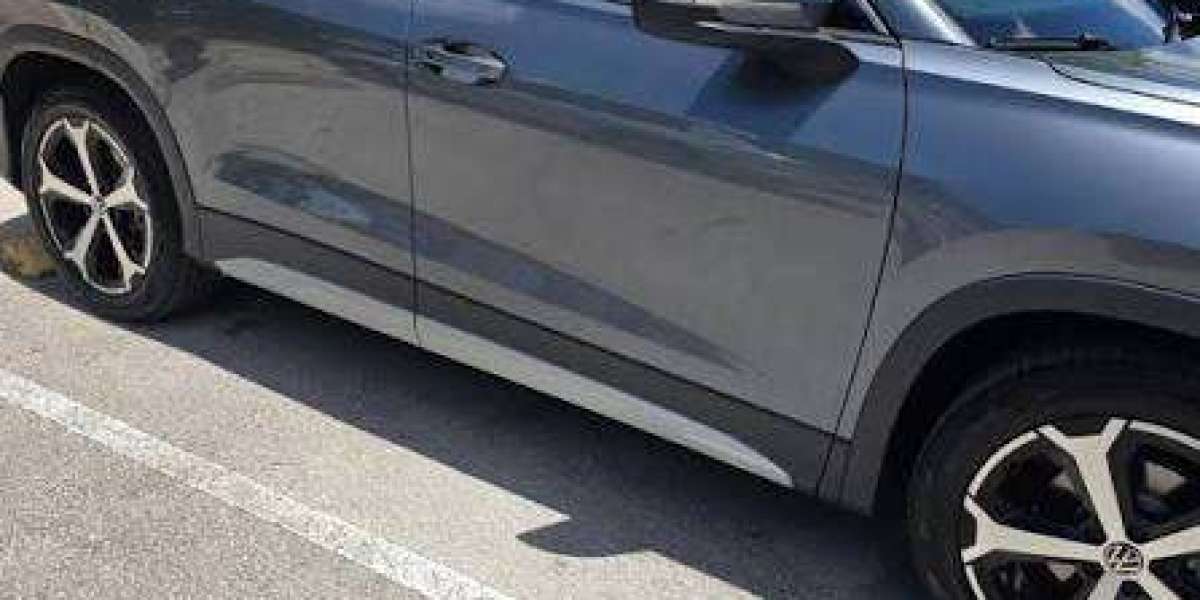

Florida’s sunshine is beautiful, but intense heat, glare, and ultraviolet exposure can make driving uncomfortable. The right window tint can help create a cooler, more comfortable cabin while also giving your vehicle a sleek, finished appearance.
Choosing a tint, however, involves more than selecting the darkest shade available. Tint type, visible light transmission (VLT), heat rejection, UV protection, appearance, and local regulations all deserve consideration.
This guide explains how to choose the right tint for your vehicle, what to look for in a quality film, and how proper installation and maintenance can help your investment last.
Why Window Tint Is Worth Considering
Automotive window film is designed to do more than change the appearance of your vehicle. Depending on the film technology, it can provide several practical benefits.
Reduces Interior Heat
A quality tint can help reduce the amount of solar energy entering the cabin. This can make the interior more comfortable, particularly when your vehicle has been parked outside on a hot day.
A cooler cabin may also reduce how hard your air-conditioning system needs to work to maintain a comfortable temperature.
Helps Block UV Exposure
Many quality automotive films are designed to block a significant amount of ultraviolet radiation. UV exposure can contribute to fading and deterioration of interior materials such as leather, vinyl, plastics, and fabrics.
Window film can therefore be part of a broader strategy for protecting your vehicle's interior.
Minimizes Glare
Bright sunlight can make driving more difficult, especially during morning and afternoon hours. Properly selected tint can reduce glare from sunlight and reflective surfaces, potentially making the driving environment more comfortable.
Adds Privacy and Style
Tint can give a vehicle a cleaner, more refined appearance while making it harder for people outside the vehicle to see its interior.
The goal should be balanced privacy rather than simply choosing the darkest possible film.
Understanding Different Types of Automotive Tint
Not all window films are manufactured with the same technology. Understanding the differences can make it easier to select a product that matches your needs and budget.
| Tint Type | Main Characteristics | Best For |
|---|---|---|
| Dyed Film | Affordable, attractive appearance, basic heat control | Budget-conscious drivers |
| Carbon Film | Good appearance and heat control without a metallic look | Everyday drivers |
| Ceramic Film | Advanced heat and UV performance, non-metallic construction | Drivers seeking premium performance |
| Metallic Film | Strong heat rejection and reflective appearance | Specific performance needs |
| Hybrid Film | Combines characteristics of different technologies | Drivers seeking balanced performance |
Dyed Window Film
Dyed film is often one of the more economical choices. It can provide privacy, reduce some glare, and improve the appearance of a vehicle.
It may be suitable for drivers who primarily want styling and basic solar protection.
Carbon Window Film
Carbon film offers a non-reflective appearance and can provide better heat-management performance than basic dyed film.
Its neutral appearance makes it a popular option for drivers who want a subtle factory-style look.
Ceramic Window Film
Ceramic film is generally positioned as a premium option. It uses ceramic-based technology to provide strong solar-energy rejection while maintaining a non-metallic construction.
For drivers who prioritize comfort, UV protection, optical clarity, and advanced performance, ceramic film can be an excellent choice.
Metallic Window Film
Metallic films use tiny metallic particles to reflect solar energy. While they can offer effective heat rejection, some metallic films may interfere with radio, GPS, cellular, or other electronic signals.
Drivers should consider their vehicle's technology before choosing this type of film.
Choosing the Right Tint Shade
Tint darkness is commonly discussed using VLT, or visible light transmission. VLT represents the percentage of visible light that passes through the window.
For example, a film with a lower VLT percentage is generally darker than a film with a higher VLT percentage.
However, darker does not automatically mean better.
Consider these factors:
- How much privacy you want
- How much glare reduction you need
- Your nighttime driving habits
- The appearance you prefer
- Your vehicle's existing glass
- Applicable Florida tint regulations
- The performance characteristics of the film
A professional installer can help you choose a shade that balances appearance, visibility, comfort, and compliance.
What to Look for in Quality Window Tinting
When comparing professional services, don't focus only on the advertised tint shade or price. The quality of the film and installation can have a major impact on the finished result.
Film Quality
Ask about the film's construction, UV protection, heat-rejection characteristics, warranty, and expected lifespan.
A reputable installer should be able to explain what you're purchasing rather than simply recommending the darkest film.
Installation Experience
Even excellent film can look poor when installed incorrectly. Experienced technicians understand how to prepare the glass, position the film, work around edges, and minimize imperfections.
Professional installation can help produce a cleaner and longer-lasting finish.
Warranty Coverage
A warranty can provide additional confidence. Before purchasing, ask what the warranty covers and whether it includes issues such as bubbling, peeling, discoloration, or adhesive failure.
Keep your documentation after installation in case warranty service is needed later.
Window Tinting Boynton Beach: Important Factors for Local Drivers
Florida's strong sun makes solar-control features especially useful for many vehicle owners. Still, selecting tint should be based on more than climate alone.
Drivers should consider how frequently the vehicle is parked outdoors, how much time is spent driving during daylight hours, and whether passengers regularly sit in the rear seats.
If you frequently commute, transport children, or spend long periods on the road, improved cabin comfort may be particularly valuable.
It is also important to check current Florida requirements before selecting a film. Tint laws can vary by window position and vehicle classification, so drivers should confirm the applicable requirements rather than assuming a particular shade is legal.
Ceramic vs. Traditional Tint: Which Is Better?
There is no single tint that is perfect for every vehicle owner.
Traditional dyed film may make sense when affordability is the primary concern. Carbon film can provide a useful balance between appearance and performance. Ceramic film is often worth considering when advanced heat rejection and premium performance are higher priorities.
| Priority | Recommended Consideration |
|---|---|
| Lower upfront cost | Dyed film |
| Balanced performance | Carbon film |
| Maximum comfort and advanced performance | Ceramic film |
| Strong solar reflection | Metallic film |
| Non-reflective appearance | Carbon or ceramic film |
| Long-term interior protection | Quality film with strong UV protection |
The best choice depends on your vehicle, budget, driving habits, and expectations.
Common Mistakes to Avoid
Choosing automotive tint without researching the film or installer can lead to disappointing results.
Choosing Only by Price
The cheapest quote may not provide the best value. Film quality, installation technique, warranty support, and durability should all be considered.
Assuming Darker Means More Heat Rejection
Shade and heat rejection are not the same thing. A technologically advanced lighter film can sometimes provide better solar performance than a darker, basic film.
Ignoring Visibility
Your vehicle should remain comfortable to drive during both daytime and nighttime conditions. Excessively dark tint can make visibility more challenging, particularly in poorly lit areas.
Installing Without Checking Regulations
Always verify the current requirements applicable to your vehicle and window positions before installation.
Using Poor-Quality Cleaning Products
Some harsh cleaners or abrasive materials can damage the film or affect its appearance over time.
How to Care for Newly Tinted Windows
Proper maintenance can help your tint maintain its appearance and performance.
Allow the Film to Cure
Follow your installer's recommended curing period before cleaning or lowering the windows. The exact curing time can vary depending on the film, installation conditions, temperature, and humidity.
Use a Soft Microfiber Cloth
When cleaning tinted glass, use a clean microfiber towel to reduce the risk of scratches.
Choose a Film-Safe Cleaner
Use a gentle, ammonia-free cleaner recommended for automotive window film. Avoid aggressive chemicals unless the film manufacturer specifically approves them.
Avoid Abrasive Tools
Do not use rough sponges, blades, or abrasive pads on tinted surfaces.
Inspect the Edges
If you notice peeling, lifting, bubbling, or unusual discoloration, contact the installer rather than attempting to repair the film yourself.
Signs You May Need Professional Tint Replacement
Even quality tint eventually reaches the end of its useful life.
Look for signs such as:
- Persistent bubbling
- Purple or faded coloration
- Peeling edges
- Scratched or damaged film
- Reduced appearance or clarity
- Adhesive deterioration
- Significant discoloration
If these problems appear, professional removal and replacement can restore the appearance of your vehicle.
Window Tinting Boynton Beach: Why Professional Installation Matters
Window film installation requires precision. The glass needs to be thoroughly cleaned and prepared before the film is carefully positioned and fitted.
Professional installation can reduce common problems such as visible contamination, uneven edges, creases, and trapped air.
A qualified installer can also help you understand the differences between available films and recommend an option based on your actual priorities.
This is particularly useful if you are unsure whether your main goal is heat reduction, UV protection, privacy, appearance, or a combination of these benefits.
Questions to Ask Before Your Installation
Before scheduling an appointment, consider asking:
- What type of film do you recommend for my vehicle?
- What is the film's VLT rating?
- How much UV protection does it provide?
- What are its heat-rejection characteristics?
- Does the film have a warranty?
- Is the film non-metallic?
- How long should I wait before cleaning the windows?
- What are the applicable tint regulations?
- How should I maintain the film?
- What happens if bubbling or peeling develops?
Clear answers to these questions can help you make a more informed decision.
Window Tinting Boynton Beach: Balancing Comfort, Style, and Protection
The ideal automotive tint should work with your lifestyle rather than simply make your vehicle look darker.
For some drivers, a moderate shade with good solar performance may be the best option. Others may prioritize privacy or premium ceramic technology.
Think about how your vehicle is used every day. If it spends hours under the Florida sun, heat rejection and interior protection may be more important than appearance alone. If nighttime driving is common, visibility should remain a major consideration.
Taking a balanced approach can help you choose a film that delivers useful benefits without compromising practicality.
Final Thoughts
Choosing the right automotive tint is about finding the right combination of comfort, appearance, visibility, protection, and long-term value. Understanding VLT, film technology, heat rejection, UV protection, warranty coverage, and installation quality can make the decision much easier.
Whether you prefer an affordable dyed film, versatile carbon film, or premium ceramic technology, professional installation and proper maintenance are essential for achieving a clean, lasting result.
If you're considering window tinting Boynton Beach, All 2 Gether Wraps can help you make a confident choice for your vehicle. Their professional approach focuses on quality film selection, careful installation, and expert attention to detail, helping drivers improve cabin comfort, reduce glare, protect their interiors, and achieve a polished appearance.








