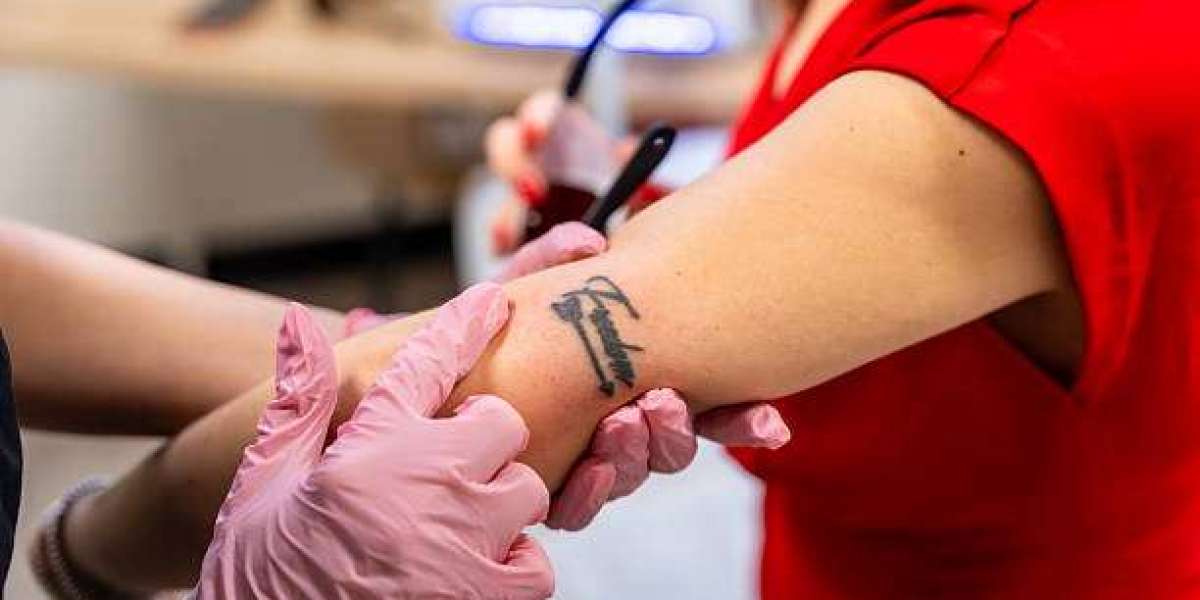

A tattoo can appear more noticeable when its pigment creates strong contrast with the surrounding skin, even after substantial fading. Tattoo Removal in Dubai can be planned by assessing the remaining ink, natural skin tone, pigment color, previous treatment, and the possibility of post-treatment pigmentation changes rather than judging progress only by visual contrast.
This distinction is important because the appearance of a tattoo is influenced by both the ink and the skin around it. As treatment progresses, the pigment may become lighter while temporary or longer-lasting skin changes alter the overall contrast.
Why Skin Contrast Matters During Tattoo Removal
Tattoo visibility depends partly on the difference between tattoo pigment and surrounding skin.
A dark tattoo on light skin may remain visually distinct even after significant fading. Conversely, changes in surrounding skin pigmentation can temporarily make a treated area appear more noticeable.
The practitioner therefore needs to distinguish between residual tattoo pigment and changes occurring within the skin itself.
Tattoo Pigment and Natural Skin Pigmentation Are Different
Laser tattoo removal is designed to target tattoo pigment.
Natural melanin in the skin is also capable of absorbing certain laser wavelengths. This is one reason skin tone is considered when selecting treatment parameters.
The objective is to target tattoo pigment while reducing unnecessary effects on surrounding skin.
Tattoo Removal in Dubai for Different Skin Tones
Skin tone can influence treatment planning and aftercare.
| Skin Consideration | Why It Matters | Planning Focus |
|---|---|---|
| Fairer skin | Less surrounding melanin absorption with some wavelengths | Appropriate wavelength and energy |
| Medium skin tone | Requires balanced pigment targeting | Controlled treatment parameters |
| Darker skin | Greater consideration of post-inflammatory pigmentation | Careful settings and monitoring |
| Recently tanned skin | Increased pigmentation in the surrounding skin | Treatment may need to be delayed |
| Uneven skin tone | Can make fading harder to visually assess | Consistent progress photography |
Skin tone alone does not determine whether tattoo removal is appropriate. The complete clinical picture should be considered.
How Laser Technology Interacts With Tattoo Pigment
Laser tattoo removal uses targeted pulses of energy to fragment tattoo pigment.
Different tattoo colors respond to different wavelengths. Black, red, blue, green, yellow, and other pigments can therefore require different approaches.
The surrounding skin must also be considered because the laser does not interact exclusively with tattoo pigment.
Q-Switched and Picosecond Systems
Q-switched lasers have been used extensively for tattoo pigment removal.
Picosecond systems deliver extremely short pulses and may be selected for particular tattoo-removal situations.
The appropriate system depends on pigment characteristics, skin type, treatment history, and clinical assessment. Technology should not be selected solely because it is marketed as newer or more powerful.
When a Tattoo Looks Darker Than Expected
Sometimes a tattoo appears more prominent because the surrounding skin has changed.
Temporary redness or swelling after treatment can increase contrast. Post-inflammatory pigmentation can also alter the appearance of the treated area.
This does not automatically indicate that additional laser energy is needed.
Allow the Skin to Settle Before Judging Progress
Immediate post-treatment appearance is not a reliable indicator of final fading.
The skin needs time to recover, while fragmented pigment continues to be cleared gradually.
A follow-up assessment after appropriate healing can provide a more accurate picture of treatment response.
The Role of Sun Exposure in Dubai
Dubai's strong sunlight is an important consideration for patients undergoing laser tattoo removal.
Recent tanning can increase skin pigmentation and may influence treatment timing. Excessive UV exposure during recovery can also increase the risk of unwanted pigmentation changes.
Patients should follow their treating practitioner's instructions regarding sun protection.
Why Tanning Can Change Treatment Planning
A naturally untanned area and a recently tanned area may respond differently to laser energy.
For this reason, patients should tell their practitioner about recent outdoor exposure, holidays, beach visits, or significant tanning before a treatment session.
Delaying treatment can sometimes be more appropriate than treating recently tanned skin.
Skin Tone Changes After Laser Treatment
Temporary changes in pigmentation can occur following laser procedures.
Some patients may experience darker pigmentation, while others may develop lighter areas. The risk depends on individual skin characteristics, treatment parameters, inflammation, and sun exposure.
These changes should be monitored rather than assumed to represent remaining tattoo ink.
Post-Inflammatory Hyperpigmentation
Post-inflammatory hyperpigmentation refers to increased pigmentation following inflammation or injury to the skin.
It can make the treated region look darker than expected after the tattoo pigment itself has begun to fade.
Sun protection is particularly important when managing this concern.
Temporary Hypopigmentation
In some cases, the treated area may appear lighter than the surrounding skin.
This can create a noticeable contrast even when substantial tattoo pigment has already been removed.
The skin may gradually normalize, although individual recovery varies.
Previous Tattoo Treatment Can Affect Skin Contrast
A tattoo that has undergone several laser sessions may have both reduced pigment and a history of skin reactions.
If previous treatment caused prolonged discoloration, the practitioner should know about it before planning additional sessions.
Previous laser records, if available, can help provide context about the treatment history.
Do Not Automatically Repeat Previous Settings
A previous treatment protocol may not be appropriate for the tattoo's current condition.
The remaining pigment may be less dense, located differently, or more resistant than the original pigment. The skin may also require a different approach after earlier treatment.
Reassessment should come before deciding on further treatment.
Tattoo Color and Skin Contrast
Ink color can influence how strongly a tattoo contrasts with surrounding skin.
Dark black pigment can remain highly visible even when significantly faded. Some lighter colors may become difficult to distinguish from the skin at certain stages of treatment.
Colored pigments can also respond at different rates.
Mixed-Color Tattoos
A tattoo containing several colors may gradually change appearance as individual pigments fade.
One section can become faint while another remains prominent.
This is a normal reason for reassessment rather than evidence that all treatment has stopped working.
Tattoos on Highly Visible Areas
Skin-tone contrast can be particularly noticeable on the hands, fingers, wrists, forearms, neck, and ankles.
These areas are frequently exposed to sunlight and are often difficult to conceal.
Professional or social appearance goals may therefore make gradual changes easier to notice.
Visibility Can Influence Treatment Expectations
A patient may become concerned when a tattoo looks temporarily more prominent during recovery.
Understanding that temporary inflammation or pigmentation changes can affect visual contrast may prevent premature judgments about the final result.
Fine-Line Tattoos and Contrast
Fine-line tattoos can create another type of contrast issue.
When most of the surrounding design has faded, individual dark strokes may stand out strongly.
The tattoo can therefore look visually uneven even though a substantial amount of pigment has already been removed.
Progress should be evaluated according to the remaining pigment rather than only the overall visual impression.
Dense Pigment Can Maintain Strong Contrast
Heavily saturated sections can remain visible for longer than lightly pigmented areas.
Solid fills, reinforced outlines, and reworked sections may contain more pigment and therefore create stronger contrast after surrounding areas have faded.
This is one reason a tattoo's original construction should be considered during treatment planning.
How Progress Can Be Monitored More Accurately
Visual assessment becomes more useful when photographs are taken under similar conditions.
Consistent lighting, distance, camera angle, and timing can help distinguish genuine pigment reduction from temporary skin changes.
Compare the Tattoo Over Time
The goal should not be to compare the skin immediately before and immediately after a session.
Instead, meaningful comparisons should be made after sufficient recovery.
A practitioner can then determine whether the remaining appearance reflects persistent pigment, skin pigmentation, or a combination of both.
Planning Tattoo Removal Around Skin Recovery
Skin recovery should be considered when scheduling appointments.
Repeatedly treating an area before it has adequately recovered may interfere with appropriate assessment and increase irritation.
The treatment interval should be determined by the treating practitioner according to the tattoo, skin response, and treatment protocol.
Aftercare for Maintaining Skin Appearance
After laser treatment, temporary redness, swelling, tenderness, whitening, blistering, or crusting may occur.
Patients should avoid picking or scratching the treated area.
Strong acids, abrasive products, unapproved creams, and home laser devices should also be avoided.
The treating practitioner should provide specific instructions for cleansing, topical products, sun protection, and other aftercare.
Dubai Air Conditioning and Skin Comfort
Frequent exposure to indoor air conditioning can leave skin feeling dry.
Although air conditioning does not directly determine tattoo pigment response, dry or irritated skin can be uncomfortable during recovery.
A simple, professionally recommended skin-care routine is preferable to experimenting with multiple products on recently treated skin.
When to Delay Treatment
Treatment may need to be postponed if the area is recently tanned, significantly irritated, affected by an active skin condition, or otherwise unsuitable for laser treatment at that time.
Patients should provide accurate information about recent sun exposure and the current condition of the tattoo area.
For people researching [tattoo removal for different skin tones in Dubai], understanding how skin pigmentation interacts with laser planning is more useful than choosing a provider based only on the advertised device.
Avoid Trying to Correct Skin Contrast at Home
Patients may be tempted to lighten dark areas or aggressively exfoliate the skin when contrast becomes noticeable.
This can cause additional irritation and pigmentation changes.
Chemical products, abrasive scrubbing, bleaching agents, and unapproved laser devices should not be used to modify the appearance of recently treated skin without professional guidance.
Questions to Ask During a Consultation
Before treatment, patients can discuss:
- How does my skin tone influence laser selection?
- Is the visible contrast caused by ink or skin pigmentation?
- Has recent sun exposure affected treatment timing?
- Would a test spot be appropriate?
- Which pigment colors are present?
- How will changes in skin tone be monitored?
- How long should I wait between sessions?
- What sun precautions are needed in Dubai?
- Could partial fading meet my cosmetic goal?
These questions help establish realistic expectations before treatment begins.
Signs That Require Medical Assessment
Some temporary reactions are expected, but unusual symptoms should be evaluated.
Seek medical attention for severe or worsening pain, spreading redness, pus, fever, extensive blistering, or unusual skin changes.
Patients should also contact their treating provider if the skin response differs significantly from the expected recovery discussed during consultation.
Realistic Expectations for Tattoo Removal and Skin Contrast
Tattoo removal does not guarantee that the skin will look identical to untreated surrounding skin immediately after treatment.
Residual pigment, temporary inflammation, and pigmentation changes can all affect appearance.
Multiple sessions may be required, and complete pigment removal cannot be guaranteed. A responsible treatment plan focuses on gradual improvement while protecting the surrounding skin.
The Strategic Approach to Tattoo Removal in Dubai for Skin Contrast
A successful tattoo-removal plan should evaluate both sides of the visual equation: the pigment being removed and the skin surrounding it. Skin tone, recent tanning, tattoo color, pigment density, previous treatment, and individual healing can all influence how the area looks during the treatment process.
For patients concerned about tattoo visibility and skin-tone contrast, Tajmeels Clinic can assess the tattoo and surrounding skin and develop an individualized approach based on pigment characteristics, skin response, and the patient's desired outcome.