
It's hard to walk through most major cities right now without passing at least one café built almost entirely around a single ingredient: Matcha. What used to be a niche section on a menu, tucked somewhere below the espresso drinks, has turned into an entire café concept of its own — vivid green lattes, matcha desserts, matcha soft-serve, whole storefronts designed around that one unmistakable shade of green. This isn't a small, passing trend either. It's a genuine shift in how people are choosing to drink their caffeine, and there are several real reasons behind it.
The Shift Away from Sharp, Jittery Caffeine
A big part of matcha's rise ties directly into how people have started thinking about caffeine itself. Coffee delivers a fast, sharp energy spike, often followed by an equally sharp crash a few hours later. Matcha, by contrast, contains L-theanine, an amino acid that works alongside caffeine to produce a steadier, calmer form of alertness — often described as "focused energy" rather than a jolt.
For a growing number of people prioritizing how they feel throughout the day, not just how quickly they wake up, that difference matters. Matcha cafés have tapped directly into this shift, positioning themselves as the more balanced, sustainable alternative to a second or third cup of coffee.
Visual Culture Has Genuinely Changed What Sells
There's no getting around the role social media has played here. Matcha's vivid green color photographs exceptionally well, and in an era where a drink's visual appeal directly influences whether people order it, share it, and return for it, matcha has a natural advantage that's hard to replicate with a standard brown coffee drink. Cafés have leaned into this deliberately, designing entire spaces and drink presentations around that distinctive green, turning the drink itself into a genuine visual identity rather than just a beverage option.
This isn't purely superficial, either. That same vivid green color is also a real indicator of quality, tracing back to how the tea was shade-grown and processed — which means the same visual appeal driving social sharing is also, in a roundabout way, pushing cafés toward sourcing genuinely better matcha to keep that color consistent.
Wellness Culture Found Its Drink
Matcha has quietly become something of a flagship ingredient for the broader wellness movement, and it's easy to see why. It's associated with antioxidants, a calmer form of energy, and a centuries-old ceremonial tradition that carries an air of intentionality most trendy health drinks simply don't have. Where a green juice or protein shake can feel like a chore, matcha carries a built-in sense of ritual — something to be prepared and enjoyed slowly, not just consumed quickly on the way out the door.
Cafés built around matcha have picked up on this and often lean into that same sense of ritual through their space design, service style, and pacing, offering something that feels more like a moment of calm than a quick caffeine transaction.
Menu Versatility Makes It an Easy Café Concept
Beyond the lattes, matcha has proven remarkably adaptable across a full menu — baked goods, ice cream, soft-serve, iced drinks, even savory applications in some cafés. This versatility gives matcha-focused cafés a much wider menu than a single-ingredient concept might normally support, which makes it a genuinely sustainable business model rather than a one-trick trend. A café can build breakfast, dessert, and beverage offerings all around the same core ingredient without the menu feeling repetitive.
A Familiar Pattern, Different Ingredient
This kind of ingredient-led café trend isn't actually new — it's just matcha's turn. The same pattern played out with specialty coffee, with turmeric lattes, and in this region specifically, with the enduring popularity of a strong, well-brewed cup of Karak tea, which has held its own devoted following for exactly the same reasons matcha is gaining ground now: a distinct flavor profile, a cultural ritual attached to the preparation, and a drink that feels different from the standard coffee shop order. Matcha cafés are simply the newest chapter in a long tradition of specific beverages earning their own dedicated spaces.
The Quality Gap Is Becoming More Visible
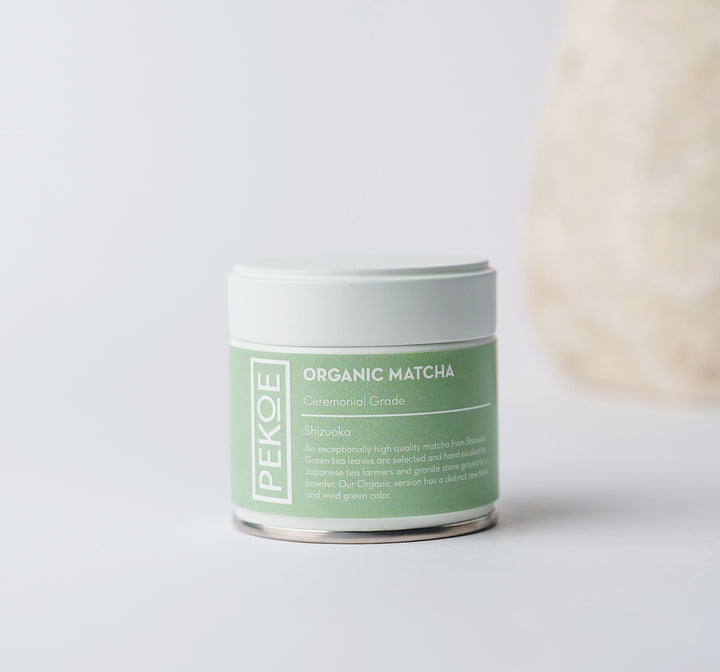
As matcha cafés multiply, the difference between genuinely good matcha and mediocre matcha has become far more noticeable to everyday customers, not just tea enthusiasts. A dull, bitter latte made with low-grade powder stands out much more clearly now that people have more matcha experiences to compare it against. This is pushing cafés — and the customers ordering from them — to pay closer attention to sourcing, which is a genuinely positive side effect of the trend's growth.
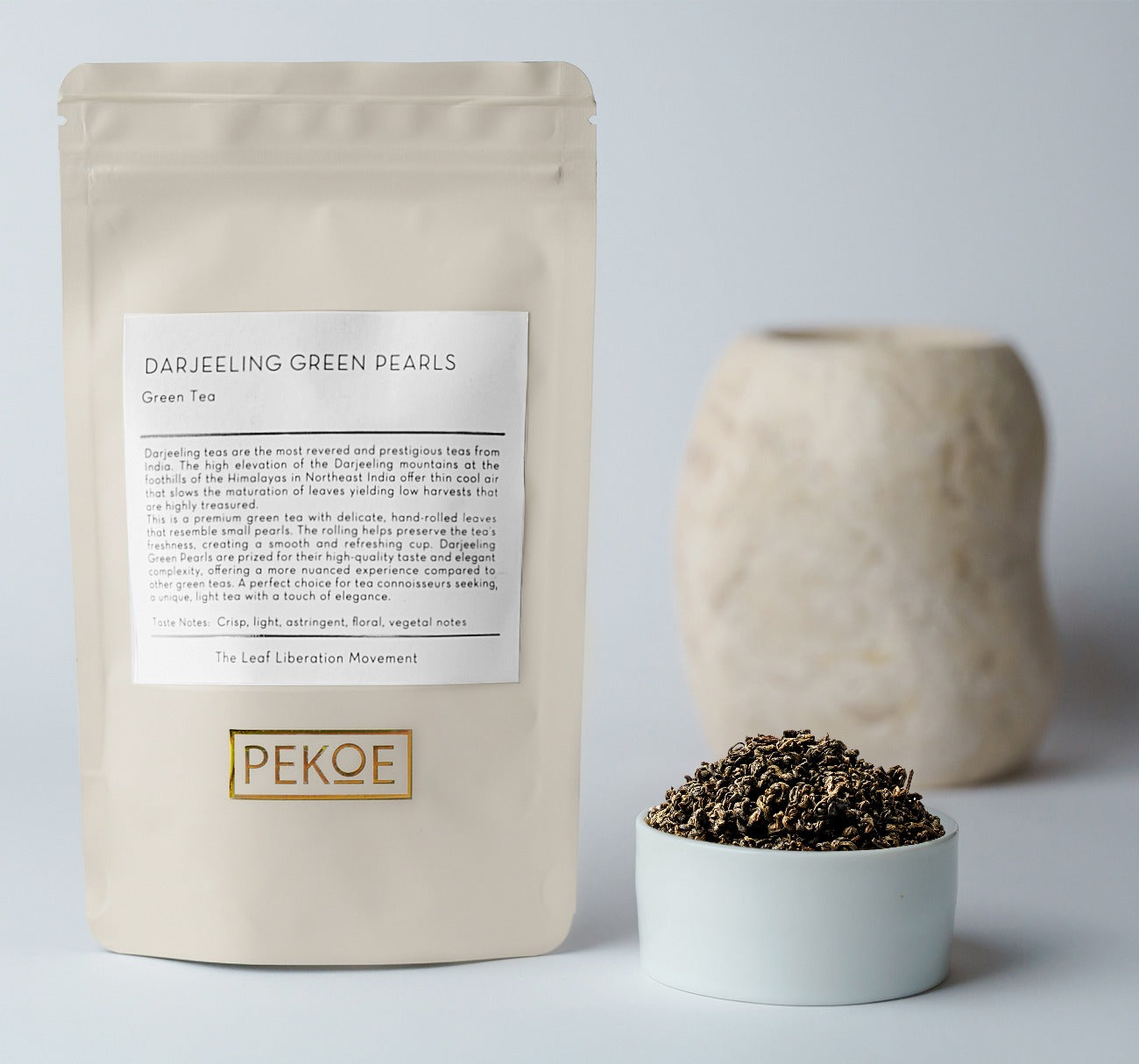
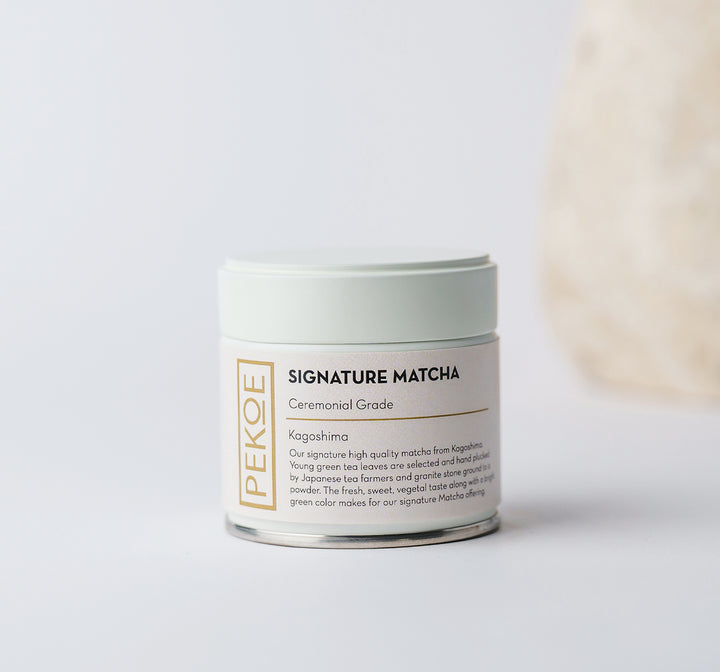
This is exactly where specialist suppliers matter. A retailer like Pekoe, sourcing shade-grown, stone-ground Japanese Tea specifically from regions like Kagoshima and Shizuoka, represents the kind of sourcing standard that's increasingly separating cafés that treat matcha as a serious specialty from ones simply riding the trend with lower-quality powder.
Is This Trend Here to Stay?
Trends built purely around aesthetics tend to fade once the novelty wears off. But matcha's popularity seems to be built on more durable foundations — a genuine flavor and wellness appeal, a strong visual identity, and enough menu versatility to support a full café concept rather than a single drink. As long as cafés continue prioritizing quality Green Tea sourcing over simply chasing the color trend, matcha's current moment looks less like a passing fad and more like a genuine, lasting shift in café culture.
Final Thoughts
Matcha cafés aren't popping up everywhere purely by coincidence or aesthetics alone. They're responding to a real shift in how people want their caffeine, a wellness culture actively looking for its next signature ingredient, and a genuinely photogenic drink that happens to also taste great when sourced properly. Whether this trend has staying power ultimately comes down to whether cafés keep prioritizing real quality behind that vivid green color, rather than treating it as just another passing menu trend.
For more information
TikTok: mypekoe
Instagram: mypekoe
Facebook: mypekoe