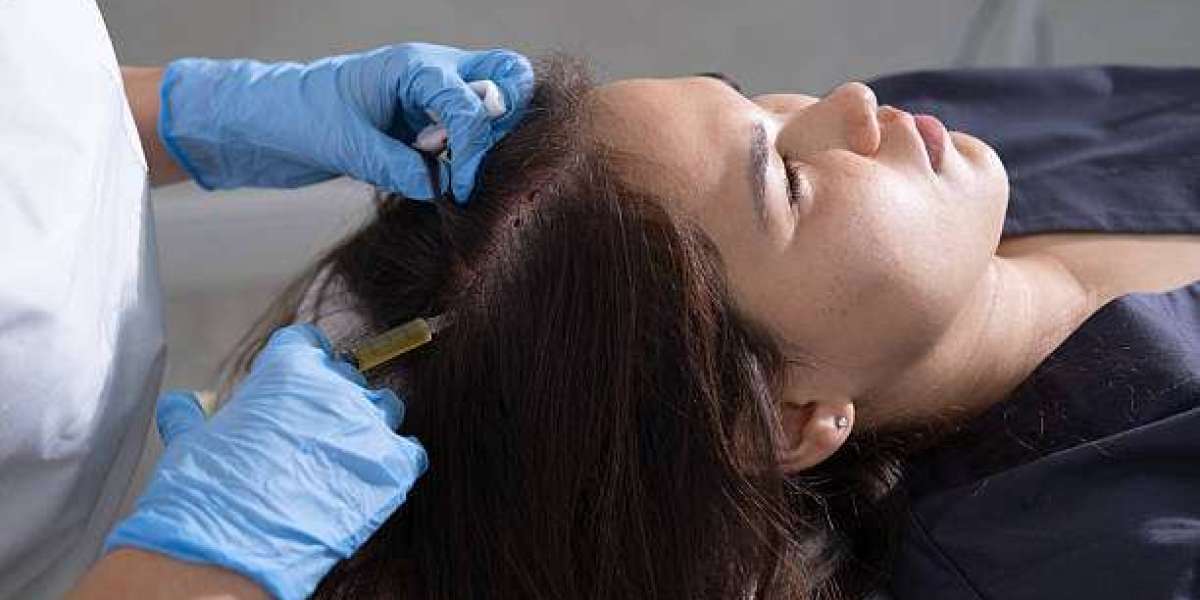

Hair density is one of the most useful measurements when evaluating gradual changes in scalp coverage. Exosome Hair in Dubai may be considered for selected patients with suitable follicular conditions, but determining the starting density and identifying why it has changed can make treatment planning more precise and follow-up results easier to interpret.
Why Hair Density Matters in Treatment Planning
Hair density describes how much hair is present within a defined area of the scalp.
It is different from simply counting the number of hairs visible in a photograph. Two people can have a similar number of follicles but different visual coverage because their hair shafts have different thicknesses, textures, or growth characteristics.
A proper density assessment therefore looks at several characteristics together.
Density is not the same as hair thickness
Hair density refers primarily to the number of hairs within an area.
Hair shaft thickness describes the diameter of individual hairs.
A patient can have relatively preserved follicular numbers but thinner shafts, producing an appearance of reduced coverage without an equivalent loss of follicles.
Scalp visibility can provide a visual clue
Increased scalp visibility may suggest reduced density or finer hair.
However, lighting, hair length, wetness, styling, and the contrast between hair and scalp can all change how dense the hair appears.
A clinical assessment should account for these variables.
What a Hair Density Assessment Can Reveal
A structured assessment can help establish whether the patient has:
- Relatively stable density
- Localized density reduction
- Diffuse thinning
- Patterned thinning
- Significant follicular miniaturization
- Areas with very limited follicular activity
- Changes in hair shaft diameter
These findings can influence whether regenerative treatment, medical management, observation, transplantation, or another approach deserves consideration.
The Difference Between Density and Miniaturization
Miniaturization is particularly important when evaluating early hair loss.
A follicle may continue producing a hair while gradually producing a finer shaft. As more follicles undergo this process, the scalp can look increasingly visible.
This can create the impression that hair has disappeared when some follicles are still producing fine hairs.
Why this matters for regenerative treatment
Emerging regenerative approaches are generally discussed in the context of existing biological structures rather than as a method for recreating follicles that have been permanently destroyed.
Consequently, identifying the condition of existing follicles can provide useful context before considering an exosome-based procedure.
How Hair Density Can Be Assessed
Different clinical methods can provide different types of information.
Standardized photography
Photographs provide a practical way to document visible changes over time.
For useful comparisons, images should maintain consistent:
- Lighting
- Camera position
- Head angle
- Hair parting
- Hair length
- Styling
- Scalp exposure
A photograph taken from a different angle can make density appear substantially different even when the hair has not changed.
Scalp examination
Direct examination allows the clinician to assess the scalp and hair beyond what is visible in a standard photograph.
The clinician may look for signs of inflammation, scaling, follicular openings, hair breakage, or other features that could influence the diagnosis.
Trichoscopy
Trichoscopy provides magnified visualization of the scalp and hair.
It can help identify variations in hair shaft diameter, miniaturization, follicular patterns, and scalp characteristics that are difficult to evaluate with the naked eye.
The appropriate assessment method depends on the suspected condition and clinical setting.
Why Baseline Measurement Should Come Before Treatment
A baseline creates a reference point.
Without one, it can be difficult to determine whether a later change represents genuine improvement, normal fluctuation, styling differences, or photographic variation.
This becomes especially important when evaluating an emerging treatment where expectations should be based on measurable observations rather than promotional photographs.
A good baseline can include both standardized images and clinically relevant observations about the scalp and hair.
Hair Density Can Vary Across the Scalp
The scalp is not uniformly dense.
The frontal region, temples, mid-scalp, crown, and occipital donor area can naturally have different hair characteristics.
This means that evaluating “overall density” without considering specific scalp zones may hide important differences.
Frontal region
The frontal area is highly visible and can strongly influence perceived hair density.
Small changes may have a substantial cosmetic effect.
Mid-scalp
Diffuse thinning may become noticeable through increased scalp visibility or reduced styling volume.
Crown
The crown can be particularly difficult to evaluate because the natural hair whorl changes the direction of the hair.
Lighting from above can also exaggerate scalp visibility in this region.
Donor area
The donor region is important when future surgical restoration could be considered.
Its density and available follicular resources can influence long-term treatment planning.
Comparing Hair Density With Hair Shaft Quality
| Assessment factor | What it describes | Why it matters |
|---|---|---|
| Hair density | Number of hairs within a defined area | Helps quantify coverage |
| Shaft diameter | Thickness of individual hairs | Influences visual fullness |
| Miniaturization | Reduction in hair caliber | May indicate progressive follicular change |
| Scalp visibility | Amount of scalp seen through hair | Provides a visual indicator |
| Follicular openings | Visible follicle structures | Helps assess follicular presence |
| Hair distribution | Where density is reduced | Helps identify patterns of hair loss |
Looking at only one measurement can produce an incomplete picture.
For example, increased scalp visibility could result from fewer hairs, thinner hairs, shorter hair length, or a combination of these factors.
How Exosome Hair in Dubai Relates to Density Evaluation
Exosome-based hair treatments are being investigated for their potential influence on the follicular microenvironment.
Research has examined extracellular vesicle signaling and pathways associated with follicular activity, vascular support, inflammation, and the hair-growth cycle.
A 2025 systematic review of clinical evidence found improvements in at least one hair parameter in the studies included, but also noted substantial differences between studies in patient populations, exosome sources, treatment protocols, and outcome measurements.
A 2026 systematic review similarly reported encouraging early findings while emphasizing limitations involving small sample sizes, retrospective study designs, inconsistent protocols, and limited controlled evidence.
For patients, this reinforces why baseline density assessment is valuable. It provides a more objective framework for discussing what a treatment is intended to change.
Density Assessment Does Not Automatically Mean Treatment
Measurement should not be confused with a recommendation.
A patient may discover that their density is within a normal range for their age and hair characteristics.
Another may show evidence of progressive miniaturization but still have multiple treatment pathways available.
A third may have significant shedding caused by a temporary trigger and require investigation rather than immediate regenerative treatment.
The purpose of assessment is to improve decision-making, not to make every patient a candidate for a procedure.
How Diagnosis Changes the Meaning of Density Loss
The same reduction in density can have different implications depending on its cause.
Temporary telogen effluvium may produce widespread shedding with eventual recovery after the underlying trigger resolves.
Hereditary pattern hair loss may involve progressive miniaturization.
Inflammatory or scarring conditions can require prompt medical treatment because follicles may be permanently damaged.
This is why density should always be interpreted alongside medical history and scalp findings.
Using Density Measurements for Follow-Up
Follow-up measurements can help determine whether the hair is changing over time.
The interval between assessments should depend on the treatment and clinical situation rather than an arbitrary schedule.
Useful follow-up comparisons may include:
- Density within the same scalp zone
- Average shaft thickness
- Number of visibly miniaturized hairs
- Scalp visibility
- Overall hair coverage
- Changes in the treated region
- Changes in untreated comparison areas
When possible, measurements should be collected under similar conditions.
The Importance of Consistent Photography
Before-and-after images are often used in hair-restoration marketing, but their reliability depends heavily on standardization.
Differences in:
- Hair length
- Hair wetness
- Styling
- Camera distance
- Lighting
- Head position
- Parting
can make a modest change look dramatic.
For patients evaluating treatment results, consistent photography is therefore more useful than selecting the most flattering before-and-after images.
Dubai-Specific Considerations for Hair Assessment
The Dubai environment can influence the appearance and feel of the scalp.
High temperatures, perspiration, strong sunlight, swimming, air-conditioning, and frequent styling can change hair texture and scalp visibility.
For example, damp hair after exercise or swimming can temporarily clump together and expose more scalp.
These short-term changes should not automatically be interpreted as a reduction in biological density.
When a Density Assessment May Be Especially Useful
A formal evaluation can be particularly helpful when:
- Hair appears thinner but no obvious bald patch exists
- The part line seems wider
- The crown looks more visible
- Hair feels less full than previously
- Hair shafts appear finer
- A family history of patterned hair loss exists
- Shedding has continued for an extended period
- A patient is considering regenerative treatment
- A previous hair-restoration procedure has been performed
- The patient wants an objective baseline for future comparison
The exact assessment should be adapted to the individual's presentation.
Questions to Ask During a Density Consultation
Patients can make the evaluation more useful by asking:
- How is my hair density being assessed?
- Which scalp areas are showing the greatest change?
- Is my hair loss caused by reduced density or miniaturization?
- Are viable follicles still present?
- Does my scalp show signs of inflammation?
- Could temporary shedding explain the change?
- How will my baseline be documented?
- What measurements will be repeated at follow-up?
- What treatment options are appropriate for my diagnosis?
- What evidence supports an exosome-based approach?
These questions encourage objective discussion instead of relying solely on visual impressions.
Understanding the Limits of Exosome Research
Exosome-based hair regeneration remains an evolving field.
Current literature suggests possible biological effects and early clinical improvements, but researchers continue to identify major differences in exosome sources, preparation, delivery methods, dosing, follow-up periods, and outcome definitions.
A 2026 review of exosome applications in hair regeneration emphasized potential mechanisms while also calling for greater standardization and larger clinical trials.
The FDA also states that there are currently no FDA-approved exosome products and warns consumers about unapproved exosome products marketed for treatment.
This makes product transparency and accurate communication particularly important when evaluating any exosome-based hair procedure.
From Measurement to Personalized Planning
Hair density assessment is most useful when it leads to a clearer treatment decision.
If density is stable, monitoring may be sufficient.
If miniaturization is present, the clinician may discuss approaches designed to manage progressive hair loss.
If substantial follicular loss has already occurred, transplantation or another restoration strategy may need to be considered.
If the pattern suggests temporary shedding or an underlying medical condition, addressing the cause may take priority.
The Strategic Value of Measuring Hair Density
A patient's perception that the hair is becoming thinner is an important starting point, but objective assessment can provide a clearer picture of what is actually changing. Exosome Hair in Dubai may be considered within an individualized regenerative strategy when the clinical situation is appropriate, but density, shaft characteristics, follicular status, scalp health, and the cause of hair loss should all be evaluated first.
For patients seeking professional guidance on hair density evaluation and regenerative hair options in Dubai, Tajmeels Clinic provides a setting where treatment planning can be tailored to individual findings and goals.