
Dental Braces are an established orthodontic treatment used to gradually improve the alignment of teeth and address certain bite concerns. Modern orthodontic care offers several treatment options, allowing patients to choose an approach that fits their dental needs, lifestyle, appearance preferences, and professional treatment plan.
Professional guidance is essential when considering orthodontic treatment. Enfield Dental Clinic Dubai can help patients understand their alignment concerns and explore suitable treatment options following a comprehensive dental assessment. A personalized approach allows the orthodontic professional to consider tooth position, bite, jaw development, oral health, and treatment goals.
What Is Modern Orthodontic Care?
Modern orthodontic care focuses on diagnosing and treating problems related to tooth and jaw alignment. While traditional braces remain an important treatment option, advancements in dental technology have introduced different appliances and planning methods.
Digital imaging, dental scans, and computerized treatment planning can help orthodontic professionals evaluate teeth more precisely and develop individualized treatment strategies.
The goal is not simply to create a straighter smile. Treatment may also focus on improving the relationship between the teeth and supporting better oral function.
How Do Dental Braces Work?
Braces work by applying controlled forces to teeth over an extended period. Traditional braces use brackets attached to the teeth and orthodontic wires that connect them.
As treatment progresses, the orthodontist makes carefully planned adjustments. These adjustments help guide individual teeth toward their intended positions.
Because tooth movement occurs gradually, treatment requires patience and regular professional monitoring. The exact movement and treatment schedule depend on the patient's specific orthodontic needs.
Traditional Metal Braces
Traditional metal braces continue to be a popular orthodontic option. They use durable brackets and wires and can be used for many different alignment and bite concerns.
Modern metal braces are generally designed to be more streamlined than older versions. They remain a practical choice for patients who require comprehensive orthodontic correction.
Ceramic Braces
Ceramic braces are designed to provide a more discreet alternative to traditional metal braces. Their brackets can be tooth-colored or relatively clear, making them less noticeable when smiling.
They function using principles similar to conventional braces. However, patients may need to take additional care when eating and cleaning to protect the brackets and maintain their appearance.
Lingual Braces
Lingual braces are positioned on the inner surfaces of the teeth. Because the brackets are placed behind the teeth, they are much less visible from the front.
This option may appeal to patients who prioritize discreet orthodontic treatment. However, lingual braces can require an adjustment period and may not be appropriate for every orthodontic condition.
Clear Aligners
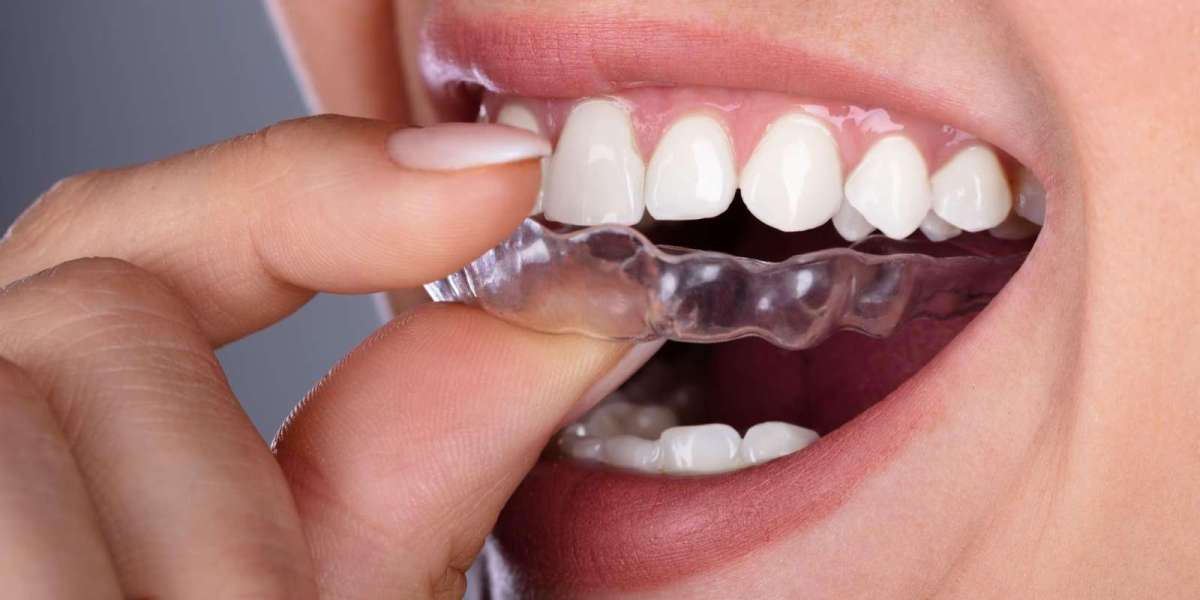
Clear aligners have become another option in modern orthodontic treatment. They consist of transparent, removable trays that gradually guide teeth toward planned positions.
One advantage is that aligners can generally be removed during meals and oral hygiene. However, their effectiveness depends heavily on wearing them according to professional instructions.
An orthodontist can determine whether clear aligners are appropriate based on the patient's alignment concerns and treatment goals.
The Importance of Digital Treatment Planning
Technology can play an important role in contemporary orthodontic care. Digital scans can create detailed representations of the teeth without always requiring traditional impressions.
These records can assist professionals when evaluating tooth positions and planning treatment. Digital tools may also help patients better understand their proposed orthodontic journey.
Technology supports professional decision-making, but the clinical assessment remains an essential part of treatment planning.
Who Can Benefit From Orthodontic Treatment?
Orthodontic treatment can benefit patients with different types of alignment concerns. Crowded teeth, gaps, crooked teeth, and certain bite problems are among the conditions that may be evaluated.
Children, teenagers, and adults can all potentially receive orthodontic treatment. However, the appropriate timing and treatment method depend on individual dental development and oral health.
A professional examination is necessary before determining whether braces are suitable.
What Happens During Treatment?
Treatment typically begins with an orthodontic consultation and detailed examination. The professional assesses tooth alignment, bite, gums, and jaw relationship.
Additional records such as X-rays, photographs, digital scans, or impressions may be taken when necessary. The information is then used to create a personalized treatment plan.
Once treatment begins, regular appointments allow the orthodontist to monitor progress and adjust the appliance as needed.
Is Orthodontic Treatment Comfortable?
Some patients experience temporary tenderness when braces are first placed or adjusted. This occurs because the teeth are responding to controlled orthodontic pressure.
The mouth usually becomes more accustomed to the appliance over time. Choosing softer foods temporarily can make eating easier during periods of tenderness.
Patients should contact their orthodontic provider if they experience severe or persistent pain rather than attempting to manage an unusual problem without professional advice.
Maintaining Oral Hygiene With Braces
Good oral hygiene is particularly important during orthodontic treatment. Brackets and wires can provide additional areas where food and plaque collect.
Patients should brush carefully around all orthodontic components and along the gumline. Cleaning between the teeth with floss or an appropriate interdental tool can also help maintain healthy gums.
Regular dental examinations and professional cleanings may be recommended throughout treatment.
Protecting Your Orthodontic Appliance
Patients should take care not to place unnecessary pressure on their braces. Hard, sticky, and chewy foods can damage brackets or wires.
People who participate in sports may also benefit from using a suitable orthodontic mouthguard. Patients should discuss appropriate protection with their dental professional.
If a bracket becomes loose or a wire breaks, the orthodontic provider should be contacted for guidance.
How Long Does Treatment Take?
Treatment duration depends on the complexity of the patient's orthodontic condition. Mild alignment concerns may require a shorter treatment period, while complicated bite or crowding problems can take longer.
Age, tooth movement, treatment type, oral health, and patient cooperation may also influence the overall timeline.
An orthodontist can provide a more personalized estimate after completing the necessary examination and treatment planning.
Life After Braces
The end of active orthodontic treatment is followed by the retention stage. Retainers are commonly used to help maintain the teeth in their newly corrected positions.
Teeth can naturally shift over time, which is why following the orthodontist's instructions about retainer use is important.
Maintaining regular dental care also remains essential after orthodontic treatment is complete.
Final Thoughts
Modern Dental Braces treatment combines established orthodontic principles with newer treatment options and technologies designed to improve the patient experience. Whether traditional braces, ceramic braces, lingual braces, or clear aligners are appropriate depends on the individual's dental condition and treatment goals. With professional planning, regular monitoring, good oral hygiene, and proper aftercare, orthodontic treatment can help patients achieve improved alignment and a healthier, more confident smile.