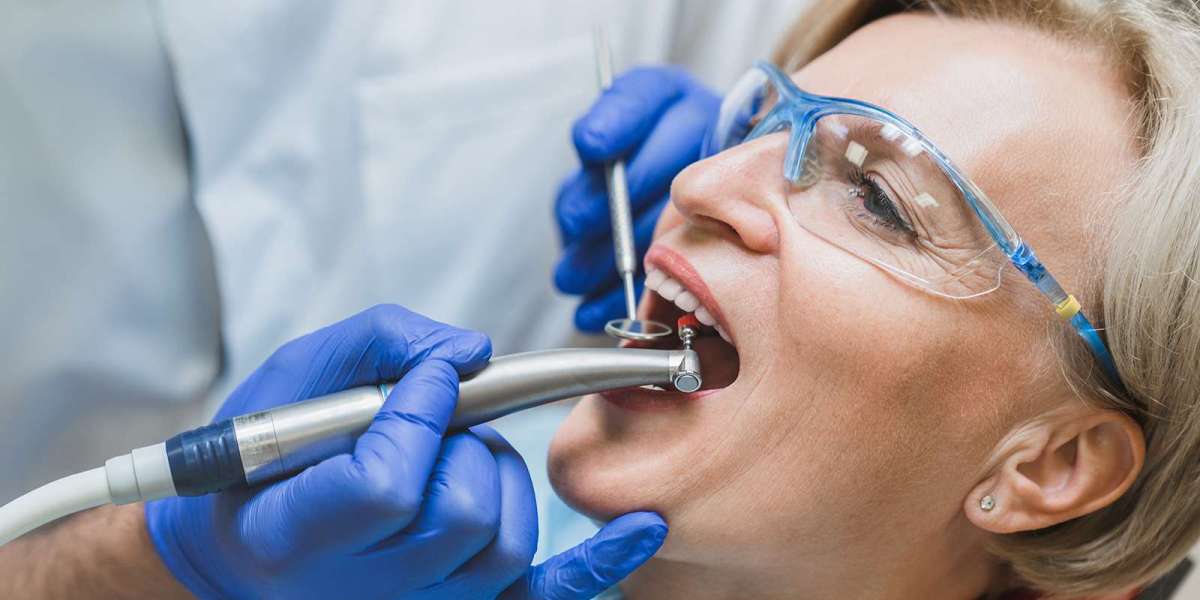

Before Tooth Extraction , it is normal to have questions about the procedure, pain, recovery, and what you should do afterward. Although removing a tooth is a common dental procedure, preparation and proper aftercare can make the experience easier and support healthy healing. Understanding each stage can also help you know which symptoms are expected and when you should contact your dentist.
Professional evaluation is important before any tooth is removed. Enfield Dental Clinic Dubai can assess the affected tooth, review dental X-rays when necessary, and explain whether extraction is the most suitable option. Depending on the condition, alternatives such as fillings, crowns, root canal treatment, or periodontal care may sometimes preserve the natural tooth.
What Happens Before Tooth Extraction?
Before the procedure, your dentist will examine the tooth and surrounding gums. The examination helps determine the reason for removal and whether there are any factors that could affect treatment.
Dental X-rays may be taken to evaluate the tooth roots, surrounding bone, and nearby structures. Your dentist may also review your dental history and ask about medications, allergies, or previous reactions to dental anesthesia.
Discuss Your Treatment Options
Extraction is permanent, so it is reasonable to ask whether the tooth can be saved. Depending on the damage, restorative treatment may sometimes be possible.
Your dentist can explain the advantages and limitations of each option and recommend the approach that offers the most appropriate long-term result.
Preparing for Your Appointment
Follow all instructions provided by your dental team before the procedure. For a routine extraction under local anesthesia, specific preparation may be minimal, but instructions can differ when sedation or another type of anesthesia is planned.
If you take regular medication, do not stop or change it unless your dentist or doctor specifically advises you to do so.
Planning some time to rest after the procedure can also be helpful, particularly if you are having a complicated extraction.
What Happens During the Procedure?
The dentist generally begins by numbing the area with local anesthesia. Once the area is adequately numb, the tooth is carefully loosened and removed.
A simple extraction may be relatively straightforward. A surgical extraction may require additional steps if the tooth is impacted, fractured, or difficult to access.
The exact technique depends on the tooth’s position, condition, and surrounding anatomy.
What Should You Expect Immediately Afterward?
After removal, a blood clot begins forming inside the extraction socket. This clot is an important part of early healing because it protects the underlying tissues.
Your dentist may place gauze over the area and provide instructions for controlling initial bleeding.
Some soreness, sensitivity, or mild swelling can occur after the procedure. These symptoms generally improve as the healing process continues.
Managing Pain After Extraction
Once the local anesthetic wears off, the extraction site may feel tender. Your dentist may recommend an appropriate pain-relief approach based on your individual circumstances.
Follow the recommended dosage and instructions carefully. Avoid taking medications that your dentist has advised you not to use.
If pain becomes severe or starts getting worse several days after the procedure, contact your dentist for an assessment.
Eating After Tooth Extraction
Soft foods are usually easier to eat during the early recovery period. Choose foods that require minimal chewing and avoid putting unnecessary pressure on the extraction site.
Extremely hot, hard, or crunchy foods may irritate the area during the initial stages of healing.
As the extraction site becomes more comfortable, you can gradually return to your regular diet according to your dentist’s recommendations.
Caring for the Extraction Site
Protecting the blood clot is one of the most important aspects of early recovery. Avoid unnecessarily touching the area with your fingers or tongue.
Forceful rinsing and vigorous spitting can potentially disturb the clot. Your dentist may provide specific instructions about when gentle rinsing is appropriate.
Smoking and tobacco use can interfere with healing and should be avoided during recovery.
Maintaining Oral Hygiene
You should continue taking care of your remaining teeth while allowing the extraction site to heal. Brush carefully and follow your dentist's instructions about cleaning near the treated area.
Good oral hygiene helps protect the surrounding teeth and gums, but aggressive brushing around a fresh extraction socket should be avoided.
How Long Does Recovery Take?
Initial discomfort often improves over several days, but complete healing takes longer. The gum gradually closes while deeper tissues and bone continue repairing themselves.
Simple extractions may have a shorter recovery period than surgical procedures. Individual healing also varies depending on the tooth, oral health, and complexity of treatment.
Your dentist can provide a more personalized recovery estimate after evaluating the procedure.
Possible Post-Extraction Complications
Most patients recover normally, but complications can occasionally occur. Dry socket is one possible problem and may cause significant pain several days after extraction if the protective blood clot is lost too early.
Persistent heavy bleeding, severe pain, increasing swelling, fever, pus, or difficulty swallowing or breathing should receive professional attention.
If you are unsure whether a symptom is normal, contacting your dental provider is the safest choice.
What Happens After the Area Heals?
Once healing is sufficiently advanced, your dentist may discuss replacing the missing tooth. Depending on the location and your individual needs, a dental implant, bridge, or removable dental appliance may be considered.
Replacing a missing tooth can help restore chewing function and may prevent unwanted changes in the position of neighboring teeth.
How to Protect Your Remaining Teeth
After recovery, maintaining consistent oral hygiene is essential. Brush twice daily with fluoride toothpaste, clean between your teeth, reduce frequent sugary snacks and drinks, and attend regular dental checkups.
Early treatment of cavities and gum disease can help reduce the risk of future tooth loss.
Final Thoughts
Knowing what to expect before and after Tooth Extraction can help you approach the procedure with greater confidence. A professional examination, clear communication with your dentist, careful preparation, and appropriate aftercare all contribute to a smoother recovery. Once healing is complete, maintaining good oral hygiene and discussing tooth replacement when appropriate can help protect your long-term oral health.