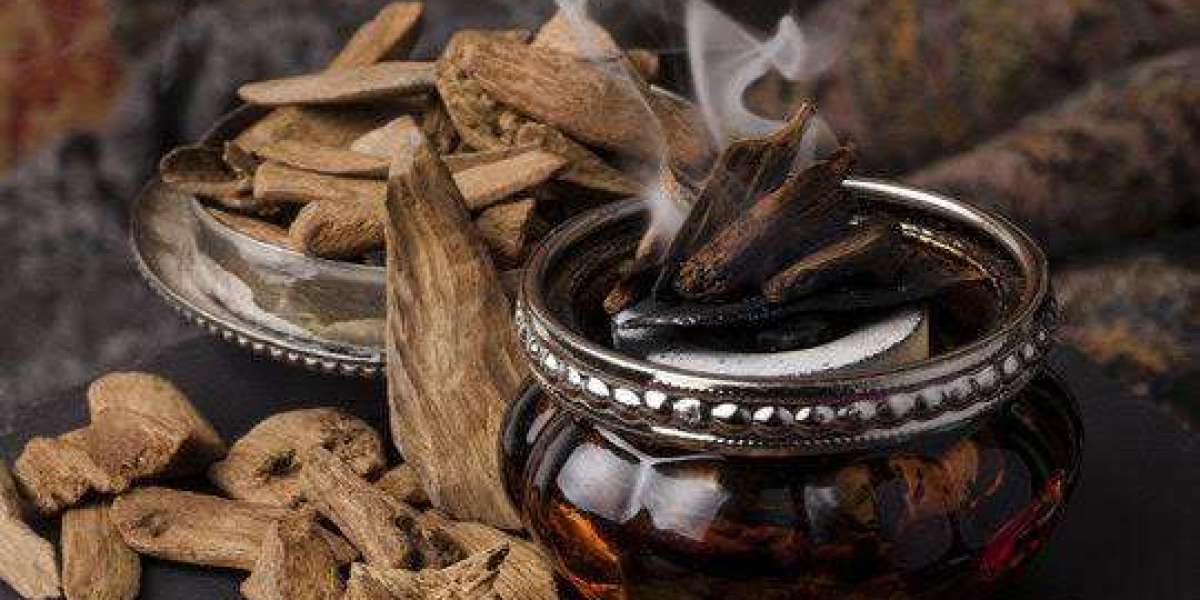

Oud is one of the most fascinating and valuable natural fragrance materials in the world. Known for its deep, woody, resinous, smoky, and sometimes sweet aroma, oud has been treasured for centuries across the Middle East, South Asia, and Southeast Asia. But behind every drop of authentic oud oil is a remarkable natural process involving agarwood, trees, fungi, geography, and traditional craftsmanship.
Understanding where oud comes from is essential for anyone interested in premium fragrances. The origin of agarwood can influence its aroma, color, density, rarity, and ultimately its value. From the forests of Southeast Asia to the traditional perfume markets of the Middle East and Pakistan, oud has developed into a global symbol of luxury and cultural heritage.
What Is Oud?
Oud is an aromatic resinous material obtained from the heartwood of certain trees belonging primarily to the Aquilaria genus. When these trees become infected or otherwise stressed, they can produce a dark, fragrant resin as a natural defense mechanism.
The resulting resinous wood is commonly known as agarwood. Through traditional extraction and distillation techniques, aromatic compounds from agarwood can be transformed into oud oil, also called dehn al oud.
Not every agarwood tree produces the same quality of resin. The amount of resin, its concentration, the age and species of the tree, environmental conditions, and extraction method can all affect the final fragrance.
This natural variation is one of the reasons authentic oud is so highly valued.
Where Does Agarwood Come From?
Agarwood naturally occurs in several parts of Asia. Some of the most historically important agarwood-producing regions include Southeast Asia, South Asia, and parts of the eastern Himalayan region.
Countries and regions associated with agarwood production include:
- India
- Bangladesh
- Myanmar
- Thailand
- Cambodia
- Laos
- Vietnam
- Malaysia
- Indonesia
Each geographical region can produce agarwood with distinctive characteristics. Climate, soil, tree species, resin formation, harvesting practices, and distillation traditions all contribute to differences in scent.
For fragrance enthusiasts, geographical origin can therefore be an important part of understanding oud.
The Role of the Aquilaria Tree
The story of oud begins with the Aquilaria tree. Healthy Aquilaria wood is generally light in color and does not possess the intense fragrance associated with mature agarwood.
The transformation occurs when the tree experiences certain biological stresses. In nature, microbial or fungal interactions can trigger the tree's defense response, encouraging it to produce aromatic resin around affected areas.
Over time, resin-rich portions of the heartwood can become darker and substantially more fragrant.
This process is slow and unpredictable. A tree may contain little resin, while another may develop highly concentrated aromatic wood. This natural uncertainty contributes significantly to the rarity of high-quality agarwood.
Why Is Some Agarwood More Valuable Than Others?
Not all agarwood is equal. Several factors influence its quality and market value.
Resin Concentration
One of the most important factors is resin content. Resin-rich wood generally produces a stronger and more complex aroma and is often more desirable for oil extraction.
Tree Age
Older trees can have more developed resinous sections, although age alone does not guarantee superior quality. The tree's biological condition and resin formation are equally important.
Geographic Origin
Different regions can produce different aromatic profiles. Some agarwood may have sweet, fruity, creamy, leathery, smoky, or earthy characteristics, while other varieties may be more medicinal, woody, or spicy.
Extraction Method
Traditional distillation techniques can dramatically affect the resulting oud oil. Water distillation, hydro-distillation, and other traditional processes may produce oils with different levels of intensity and complexity.
Purity and Authenticity
Pure oud oil is highly prized because it represents the aromatic character of agarwood without relying heavily on synthetic fragrance materials or unrelated carrier ingredients.
For buyers, understanding the distinction between genuine oud oil and fragrance products inspired by oud is particularly important.
Cambodian Oud and Its Reputation
Cambodian oud has developed a particularly strong reputation among oud enthusiasts. Agarwood associated with Cambodia is often appreciated for rich, sweet, fruity, woody, and sometimes honey-like aromatic characteristics.
However, the term “Cambodian oud” should not automatically be interpreted as a guarantee of quality. The actual fragrance depends on the wood, resin content, processing, distillation technique, and authenticity of the oil.
Two oils from the same geographical region can smell noticeably different.
This is part of what makes exploring natural oud so interesting: every batch can have its own character.
Indian Oud and Traditional Agarwood
India has a long association with agarwood and traditional perfumery. Assam and surrounding northeastern areas have historically been important for agarwood cultivation, trade, and use.
Indian oud is often associated with powerful, dense, woody, smoky, earthy, and sometimes leathery aromas. Traditional Indian perfumery has incorporated agarwood into attars and other fragrance preparations for generations.
The region's long-standing connection with natural fragrance makes Indian agarwood particularly significant in the history of oud.
Oud From Southeast Asia
Southeast Asia is one of the most important areas in the global agarwood story. Countries such as Malaysia, Indonesia, Thailand, Vietnam, Cambodia, and Laos have long been associated with agarwood species and production.
The tropical environment provides conditions suitable for Aquilaria species, while centuries of local knowledge have contributed to harvesting and processing traditions.
Southeast Asian oud can display a remarkable variety of profiles, ranging from green and fresh to sweet, resinous, fruity, woody, smoky, and earthy.
For collectors and fragrance enthusiasts, this diversity is one of the most appealing aspects of regional oud.
Why Does Geography Change the Smell of Oud?
Agarwood is a natural material, so geography can influence its chemical and aromatic profile.
Several environmental factors may contribute to differences, including:
- Climate
- Rainfall
- Soil composition
- Elevation
- Aquilaria species
- Local microorganisms
- Tree age
- Resin formation
- Harvesting practices
- Distillation techniques
This means that oud should not be viewed as a single standardized fragrance. Instead, it is better understood as a broad family of natural aromatic materials with regional characteristics.
One oud may open with a sweet fruity impression, while another may immediately reveal smoky leather, earthy woods, or medicinal nuances.
The Difference Between Agarwood and Oud Oil
Agarwood and oud oil are closely connected but are not the same thing.
Agarwood refers to the resinous, fragrant wood produced by certain Aquilaria trees.
Oud oil is the concentrated aromatic liquid obtained by processing and distilling agarwood.
The quality of the final oil depends heavily on the quality of the raw material and the skill of the distiller. High-quality resinous wood can produce an oil with remarkable depth and longevity.
Traditional distillation is therefore a critical part of the oud journey—from forest to fragrance bottle.
How Oud Became a Global Luxury Fragrance
Oud's history extends far beyond modern perfume trends. Agarwood has been used for centuries in religious ceremonies, traditional medicine, incense, personal fragrance, and cultural rituals across Asia and the Middle East.
Its ability to produce a powerful aroma when burned made agarwood an important incense material. Over time, its use expanded into oil-based perfumes, attars, mukhallats, and luxury fragrance compositions.
Today, oud appears in both traditional and contemporary perfumery. Luxury fragrance houses use oud-inspired accords, while specialist perfume brands continue to offer natural oud oils and traditional oud-based products.
The global popularity of oud has transformed a regional aromatic tradition into one of the most recognizable symbols of luxury perfumery.
Oud in Pakistani Fragrance Culture
Pakistan has a strong cultural connection with attars, oud, bakhoor, and concentrated fragrance oils. Oil-based fragrances are particularly popular among people who appreciate traditional scents and long-lasting perfume experiences.
Oud is used for everyday wear, religious occasions, family gatherings, weddings, celebrations, and special events.
The popularity of oud in Pakistan has also created growing interest in understanding fragrance quality, authenticity, regional origins, and traditional extraction methods.
For consumers exploring incense and home fragrance alongside oud, learning how to select quality products is equally important. A useful guide to choosing the best bakhoor in pakistan can help buyers understand factors such as fragrance profile, ingredients, burning characteristics, and suitability for different spaces.
Sustainable Agarwood and the Future of Oud
The growing global demand for oud also creates an important responsibility: protecting agarwood-producing species and supporting sustainable sourcing.
Wild agarwood has historically faced pressure because naturally resinous trees can be difficult to find and may require years to develop valuable aromatic wood.
Today, cultivation and controlled production can help reduce pressure on wild populations. Sustainable practices may include plantation cultivation, managed harvesting, regulated trade, and techniques designed to encourage resin formation without unnecessarily destroying natural resources.
International regulations also play an important role. Several agarwood-producing species are subject to international trade controls, making responsible sourcing increasingly important for businesses involved in the oud industry.
For consumers, choosing reputable sellers who emphasize authenticity and responsible sourcing is one way to support a more sustainable future for oud.
How Saby Saeed Anwar Connects Tradition With Modern Oud
Saby Saeed Anwar represents a modern approach to traditional fragrance culture, offering oud oils, mukhallats, fragrance oils, bakhoor, and other concentrated scents for fragrance enthusiasts.
The brand's focus on oud reflects the continuing appeal of traditional oil-based perfumery while making these fragrance experiences accessible to today's consumers.
For those exploring oud for the first time, understanding the origins of agarwood can make the fragrance experience much more meaningful. Instead of simply viewing oud as another perfume ingredient, buyers can appreciate the natural processes, regional diversity, craftsmanship, and cultural history behind every bottle.
How to Choose Oud Based on Its Origin
If you are purchasing oud oil, geographic origin can be a useful starting point, but it should not be the only factor.
Consider:
1. Aroma profile: Decide whether you prefer sweet, fruity, smoky, earthy, leathery, woody, or medicinal characteristics.
2. Extraction style: Ask how the oil was produced and whether traditional distillation methods were used.
3. Authenticity: Buy from a reputable seller and look for clear information about the product.
4. Concentration: Natural oud oils can vary considerably in strength and complexity.
5. Purpose: A lighter oud may work well for everyday wear, while a richer, darker oil may be better suited to formal occasions.
6. Personal preference: Ultimately, the best oud is the one whose character works naturally with your skin and personal taste.
The Enduring Mystery of Oud
The origins of oud reveal why this fragrance material has remained so fascinating for centuries. It begins with an Aquilaria tree, develops through a complex natural resin-forming process, and is eventually transformed through skilled harvesting and distillation into one of perfumery's most distinctive materials.
From Indian agarwood to Cambodian oud and Southeast Asian varieties, every region contributes a different chapter to the story.
This geographical diversity is what makes oud more than simply a fragrance. It is a combination of nature, tradition, craftsmanship, culture, and history.
For modern fragrance lovers, exploring oud means exploring its origins. And for brands such as Saby Saeed Anwar, preserving the appeal of traditional oud while presenting it to a new generation helps ensure that this remarkable fragrance heritage continues to evolve.