
Hair thinning can be difficult to notice at first. A slightly wider part, increased shedding in the shower, or less volume when styling may be among the earliest signs. While occasional shedding is normal, persistent changes can become a concern when hair gradually looks finer or the scalp becomes more visible.
Early intervention is often appealing because hair follicles may still be active during the initial stages of thinning. One option that people increasingly discuss with hair-restoration professionals is platelet-rich plasma therapy. PRP hair treatment uses a concentrated preparation made from the patient's own blood and applies it to selected areas of the scalp. The aim is to support existing follicles and encourage a healthier environment for hair growth.
Understanding Early Hair Thinning
Hair thinning can have many potential causes. Genetics is a major factor, but hormonal changes, aging, stress, nutritional deficiencies, certain medications, and medical conditions can also contribute.
Early thinning may not always involve obvious bald patches. Instead, individual hairs can become finer, the growth phase may change, or more hairs may enter the shedding phase. Recognizing these changes can encourage people to seek professional advice before the condition progresses.
Because different causes require different approaches, identifying the reason for thinning is an important first step.
What Is PRP Hair Treatment?
Platelet-rich plasma, or PRP, is produced using a small sample of the patient's blood. The sample is processed to concentrate platelets and plasma containing naturally occurring growth factors.
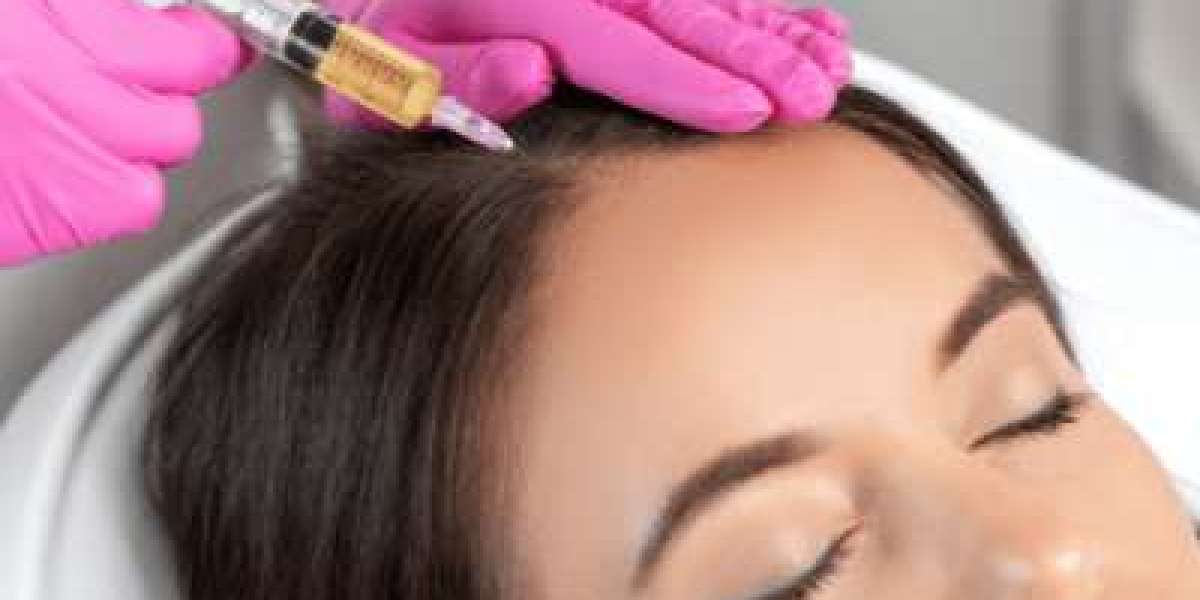
During PRP hair treatment, this concentrated preparation is injected into specific areas of the scalp. The procedure is intended to support existing hair follicles and the tissues surrounding them.
Unlike a hair transplant, PRP does not involve surgically removing and relocating hair follicles. It is generally considered a minimally invasive treatment, although temporary tenderness, redness, or swelling may occur after injections.
Why Early Thinning May Be an Important Stage
The condition of existing follicles is an important consideration when evaluating hair-restoration options. During early thinning, follicles may still be present and capable of producing hair, even if the strands have become finer.
This is one reason PRP hair treatment may be considered during the earlier stages of certain types of hair loss. Its purpose is to support follicles rather than replace those that have permanently disappeared.
However, early treatment does not guarantee a particular result. The underlying cause, genetics, overall health, and individual response can all affect outcomes.
How PRP May Support Existing Follicles
Platelets contain growth factors that are naturally involved in tissue repair and cellular activity. When platelet-rich plasma is introduced into targeted scalp areas, these components may interact with the surrounding tissue.
The goal is to create a supportive environment for follicles that remain viable. For some patients, this may contribute to improvements in hair quality, thickness, or overall appearance.
Research and clinical experience continue to examine the effectiveness of PRP for different types of hair loss. Patients should therefore discuss the potential benefits and limitations with a qualified healthcare professional.
What Happens During a Session?
A typical PRP hair treatment appointment begins with a consultation and scalp evaluation. The practitioner may examine the pattern of thinning and ask about medical history, medications, lifestyle factors, and previous treatments.
A small blood sample is then collected and processed to separate the platelet-rich portion. The prepared PRP is injected into selected scalp areas using several small injections.
The procedure does not generally require the type of recovery associated with surgical hair restoration. However, mild irritation or sensitivity may occur temporarily.
How Long Does It Take to See Results?
One of the most important things to understand about PRP hair treatment is that potential results develop gradually. Hair follicles follow natural growth cycles, and visible changes cannot usually occur immediately.
Some individuals may notice changes in shedding or hair texture before they see an improvement in density. A provider may recommend an initial series of treatments, with sessions spaced according to the individual's condition and response.
Progress can be monitored through clinical assessments and photographs over several months.
Who May Benefit From PRP?
PRP may be considered for adults experiencing certain types of non-scarring hair thinning where viable follicles remain. Individuals with early-stage thinning may discuss this option with a professional as part of a broader hair-loss strategy.
However, PRP is not suitable for every situation. Scarring hair loss, advanced follicle loss, untreated scalp disorders, and certain medical conditions may require different forms of management.
A proper diagnosis is therefore essential before starting treatment.
How Can You Support Your Hair During Treatment?
A healthy lifestyle can complement PRP hair treatment, although lifestyle improvements cannot guarantee a specific outcome.
Eating a balanced diet with adequate protein and essential nutrients supports overall health and normal hair function. Gentle hair care may also help minimize breakage. Avoiding excessive heat, tight hairstyles, and aggressive chemical treatments can reduce unnecessary stress on the hair.
If stress, nutritional issues, hormonal changes, or another medical factor may be contributing to hair loss, addressing that underlying issue is equally important.
Setting Realistic Expectations
Early intervention can be encouraging, but it is important not to assume that PRP will completely reverse hair loss. The treatment is generally intended to support existing follicles and improve the appearance of thinning rather than provide guaranteed restoration.
Patients should ask their provider how many sessions may be appropriate, when results might become noticeable, what side effects to expect, and whether additional treatments may be needed.
Choosing an experienced and appropriately qualified practitioner can also help ensure that the treatment plan is based on an accurate assessment rather than unrealistic promises.
Conclusion
Early hair thinning can be a valuable opportunity to investigate the underlying cause and consider appropriate treatment options. PRP hair treatment may support existing follicles and potentially improve the appearance of hair thickness in suitable candidates.
Because results vary, PRP should be considered as part of a personalized approach rather than a guaranteed cure. Professional assessment, realistic expectations, healthy hair-care habits, and consistent follow-up can help individuals make informed decisions about managing early hair thinning.
For more information visit Royal Hair Transplant clinic in islamabad