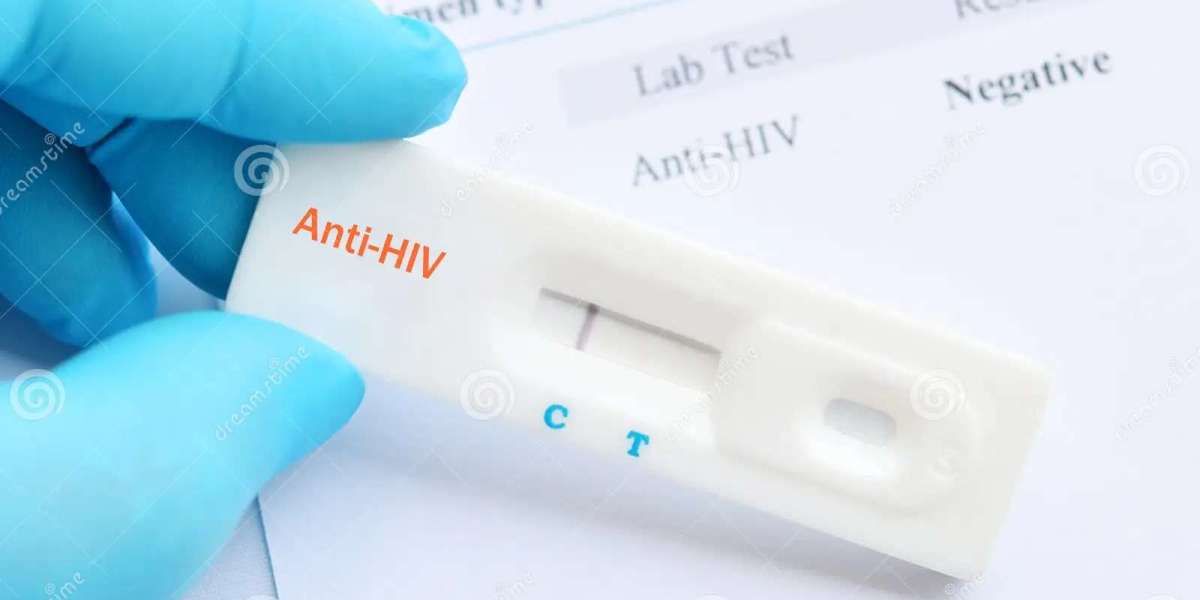

HIV testing is an important part of sexual and general healthcare for both men and women. HIV can affect people regardless of gender, age, relationship status, or whether they currently have symptoms. Because some people may have HIV without noticeable signs, testing can be more informative than relying on how someone feels.
For people considering an HIV Test in Dubai, understanding when testing may be appropriate can make the process easier. Testing may be considered after a possible exposure, as part of regular sexual health screening, before certain medical procedures, or whenever a person wants greater awareness of their health status.
Modern HIV tests are designed to detect specific markers associated with the virus. However, the timing of testing remains important because an infection may not be immediately detectable after exposure.
HIV Testing for Men
Men may consider HIV testing for many different reasons. A possible exposure through unprotected sexual contact, a new sexual partner, multiple partners, or another situation involving potential exposure can be a reason to discuss testing with a healthcare professional.
Men should not wait for symptoms before considering screening. HIV can sometimes remain unnoticed, and symptoms alone cannot confirm or exclude infection.
A professional healthcare provider can discuss the circumstances surrounding possible exposure and recommend an appropriate testing approach. The type of test and timing may depend on how long it has been since the potential exposure.
Enfiled STD Clinic for Professional Testing
At Enfiled STD Clinic, men and women seeking an HIV Test in Dubai can discuss their concerns with healthcare professionals and learn more about the available testing process. Professional guidance can be particularly helpful when someone is unsure about the correct time to test or has concerns about a recent possible exposure.
The healthcare provider may ask about the timing of exposure, symptoms, previous testing, and other relevant health information. These details can help determine how the result should be interpreted and whether follow-up testing may be appropriate.
A professional testing environment can also provide an opportunity to discuss other sexual health concerns and whether additional screening should be considered.
HIV Testing for Women
Women can also benefit from HIV screening when there has been a possible exposure or when routine sexual health testing is appropriate. HIV does not always cause noticeable symptoms, so feeling healthy does not necessarily mean that testing is unnecessary.
Women may also discuss HIV testing with healthcare professionals during reproductive or general healthcare visits when appropriate. The provider can consider individual circumstances and explain whether testing should be performed.
If a woman has symptoms such as unusual fatigue, fever, swollen lymph nodes, or other unexplained health changes, these symptoms should not automatically be attributed to HIV. Many other conditions can cause similar symptoms, so professional evaluation and appropriate testing are important.
Can Men and Women Use the Same HIV Tests?
The basic HIV testing methods used for men and women are generally based on the same principles. Tests may look for HIV antibodies, HIV antigens, or genetic material from the virus.
The appropriate test depends more on factors such as timing and clinical circumstances than on whether the person is male or female.
For example, antigen/antibody combination tests can identify markers associated with HIV, while nucleic acid testing looks for HIV genetic material. A healthcare professional can explain which testing method is appropriate for a particular situation.
When Should Men and Women Consider Testing?
There is no single situation in which every person must be tested. Testing decisions can depend on personal circumstances and potential exposure.
Someone may consider testing after unprotected sexual contact or when beginning a new sexual relationship, particularly if their previous partner's HIV status is unknown. People who believe they may have been exposed should discuss testing with a healthcare professional rather than waiting for symptoms.
Routine screening may also be appropriate for people with ongoing exposure risks. Regular testing can provide greater awareness and help identify an infection that may otherwise remain unnoticed.
The Importance of Testing After Possible Exposure
Testing after possible exposure requires particular attention to timing. HIV tests have window periods, meaning that there is a period after infection during which a test may not yet detect the virus reliably.
A negative result obtained too soon after exposure may therefore need to be followed by another test. The appropriate follow-up timing depends on the type of test being used.
Both men and women should tell the healthcare professional approximately when the possible exposure occurred. This information can help the provider explain what a current result means and whether additional testing may be needed.
HIV Testing During Pregnancy
HIV testing can also be an important part of pregnancy-related healthcare. Identifying HIV during pregnancy allows healthcare professionals to provide appropriate medical management and reduce the risk of transmission to the baby.
Pregnant women should follow the testing recommendations provided by their healthcare team. If a woman believes she may have had a recent exposure, she should discuss the situation promptly with her healthcare provider.
The exact testing and follow-up approach can depend on the stage of pregnancy, previous test results, and other medical circumstances.
Symptoms Should Not Replace Testing
One of the most common misunderstandings about HIV is that symptoms can tell someone whether they have the infection. This is not reliable.
Some people may develop flu-like symptoms during early infection, while others may experience no obvious symptoms. Similar symptoms can occur with many other infections and medical conditions.
For this reason, both men and women should use appropriate testing rather than attempting to determine HIV status from symptoms. A professional HIV Test in Dubai can provide objective information that symptoms alone cannot provide.
Understanding a Negative HIV Result
A negative HIV test means that the test did not detect the markers it was designed to identify. However, the result must be considered alongside the timing of the test.
If testing was performed during the window period, a negative result may not completely rule out a recent infection. A healthcare professional may recommend another test after an appropriate period.
If enough time has passed and the test was performed correctly, a negative result can provide much stronger evidence regarding HIV status.
Understanding a Reactive Result
A reactive HIV screening result does not automatically mean that a person has HIV. Screening tests are designed to identify results that require further investigation.
If a screening result is reactive, additional confirmatory testing is generally performed. The healthcare provider can explain what the result means and what steps should follow.
This confirmation process is important because a diagnosis should not be based solely on a preliminary screening result.
Why Regular Screening Can Be Helpful
Regular sexual health screening can be useful for people who have ongoing potential exposure risks. HIV can remain without noticeable symptoms, so testing can provide information that would otherwise be unavailable.
Regular testing can also encourage people to take a more proactive approach to sexual health. Discussing personal circumstances with a healthcare professional can help determine how frequently testing may be appropriate.
There is no universal testing schedule for everyone. The appropriate frequency depends on individual risk factors, previous results, and professional recommendations.
HIV Testing and Other Sexual Health Screening
HIV is not the only infection that can be transmitted through sexual contact. Depending on individual circumstances, healthcare professionals may recommend screening for other sexually transmitted infections.
Conditions such as chlamydia, gonorrhea, syphilis, and hepatitis can require different testing methods. Some infections may also occur without obvious symptoms.
For this reason, someone attending an HIV Test in Dubai may benefit from discussing their broader sexual health concerns with a healthcare professional rather than focusing on one infection alone.
Protecting Sexual Health After Testing
Testing provides information, but maintaining sexual health also involves making informed decisions after receiving the result. People can discuss prevention strategies with healthcare professionals and consider appropriate measures based on their circumstances.
If a person receives a positive confirmed HIV diagnosis, modern medical care can provide effective treatment and ongoing monitoring. People living with HIV can receive professional support to manage their health and reduce the risk of transmission.
If the result is negative, continuing appropriate prevention and testing practices can help maintain sexual health in the future.
Final Thoughts
HIV testing is relevant to both men and women because HIV can affect anyone who has been exposed to the virus. Symptoms are not a dependable way to determine HIV status, and testing remains the most useful way to obtain information about infection.
If you are considering an HIV Test in Dubai, professional guidance can help you understand which test may be suitable, when testing should take place, and whether follow-up screening is necessary. Whether testing is prompted by a recent exposure, routine healthcare, or personal reassurance, understanding the testing process can help you make informed decisions about your sexual health.