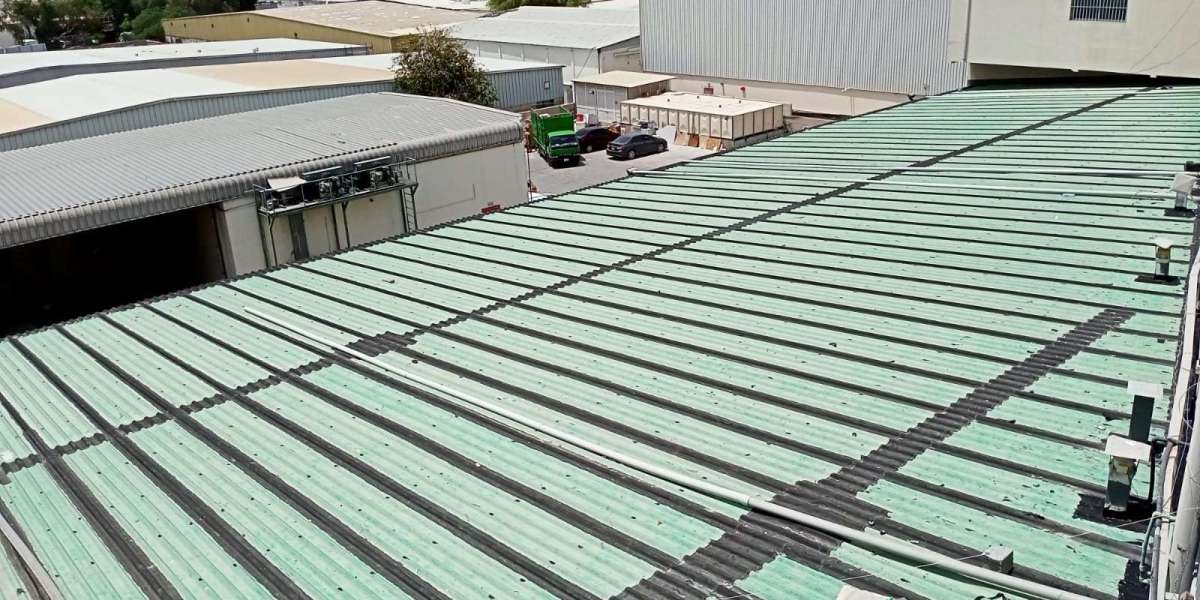

Metal Roof Waterproofing and Roof Maintenance
A metal roof can provide strong protection for a commercial or industrial building. However, regular exposure to heat, humidity and rain can gradually affect its condition.
Small leaks, damaged joints and areas of corrosion may seem minor at first. Yet, if they remain untreated, they can lead to more maintenance work and disruption.
This is why Metal Roof Waterproofing can form an important part of a planned roof maintenance strategy. Rather than waiting for serious water damage, property owners can inspect the roof and address vulnerable areas at an earlier stage.
Why Metal Roofs Need Regular Attention
Metal roofing is exposed to outdoor conditions throughout the year. In the UAE, high temperatures and sudden rainfall can place additional stress on roofing materials.
Water can also affect exposed metal when protective layers or seals become damaged. Over time, moisture may contribute to rust and corrosion.
Regular inspections can help property managers identify changes in roof condition before they become larger maintenance concerns.
Common Signs of Roof Problems
Property owners should know what to look for during routine checks.
Some common warning signs include:
- Water stains inside the building
- Rust or visible corrosion
- Damaged roof surfaces
- Loose or deteriorated seals
- Leaks after rainfall
- Water collecting on the roof
- Damp areas around joints
- Damage near roof penetrations
A visible problem does not always show where water first entered. Water can travel beneath roofing materials before appearing inside the building.
Therefore, professional inspection may be necessary when the source of a leak is unclear.
How Waterproofing Supports Roof Protection
Waterproofing creates a protective barrier that helps limit water penetration through vulnerable roof areas.
The exact system should depend on the roof's condition, construction and intended use. A professional assessment can help determine what preparation and waterproofing method the roof requires.
Leak Lock's published process begins with a site survey to inspect the roof and identify weak areas before preparation and waterproofing work begins.
This inspection-first approach can help ensure that the work addresses actual roof conditions rather than relying on a standard solution.
Surface Preparation Is an Important Step
Waterproofing materials need a suitable surface.
Dust, dirt, damaged areas and poorly sealed joints can affect the application. Proper preparation can therefore support better adhesion and coverage.
Leak Lock lists cleaning, joint sealing and surface preparation as part of its metal roof waterproofing process.
The required preparation can vary depending on the existing roof and the condition of its surface.
Protecting Against Leaks and Corrosion
Water entering through a metal roof can create several maintenance concerns.
Moisture may reach insulation, ceilings, equipment or stored materials. Continued exposure can also contribute to corrosion in vulnerable metal areas.
Leak Lock states that its metal roof waterproofing service is intended to protect against leaks, rust and corrosion.
However, waterproofing should work alongside regular inspections. Property owners should continue checking the roof after treatment and arrange repairs when new problems appear.
EPDM Membrane Waterproofing
Different waterproofing systems are available for different roof types and conditions.
Leak Lock's published process uses an EPDM membrane with bonding adhesive for metal roof waterproofing. The company describes the system as designed to withstand UAE weather conditions.
EPDM is a flexible roofing membrane that can provide a weather-resistant layer when properly selected and installed.
The suitability of any waterproofing system should depend on the roof assessment and project requirements.
Waterproofing Can Support Planned Maintenance
Reactive maintenance usually begins after a problem becomes visible. Planned maintenance takes a different approach.
With planned roof inspections, property owners can monitor vulnerable areas and arrange professional work when needed.
A basic maintenance routine can include:
- Inspecting the roof surface.
- Checking joints and connections.
- Looking for rust or corrosion.
- Checking drainage areas.
- Inspecting roof penetrations.
- Looking for signs of water entry.
- Arranging professional assessment when concerns appear.
This approach can help property managers stay aware of roof condition throughout the year.
Why Commercial Buildings Need Extra Care
A roof problem can affect more than the building itself.
Commercial and industrial facilities may contain stock, machinery, electrical equipment and working areas that need protection from water.
A leak can therefore create additional cleaning, repair or operational work.
Leak Lock specifically provides metal roof waterproofing for industrial and commercial facilities in the UAE.
For larger properties, regular roof checks can help identify problems before they interfere with normal activities.
Choosing the Right Waterproofing Service
When comparing waterproofing contractors, property owners should look at the process rather than focusing only on price.
Ask whether the provider offers a roof inspection before recommending a solution. It is also useful to understand the preparation work, waterproofing materials and final testing involved.
Leak Lock's published process includes four main stages: inspection, surface preparation, waterproofing and final testing.
A clear process can help property owners understand what the project involves before work begins.
Final Thoughts
Roof maintenance becomes easier when small problems receive attention before they grow.
Metal Roof Waterproofing can help protect vulnerable roofing areas from water penetration and reduce the risk of problems linked to moisture, rust and corrosion. However, waterproofing works best when combined with regular inspections and sensible maintenance.
For UAE commercial and industrial buildings, this planned approach can help property owners stay ahead of roof problems.
By checking roof condition, addressing weak areas and using suitable waterproofing methods, building managers can take a more practical approach to protecting their property.