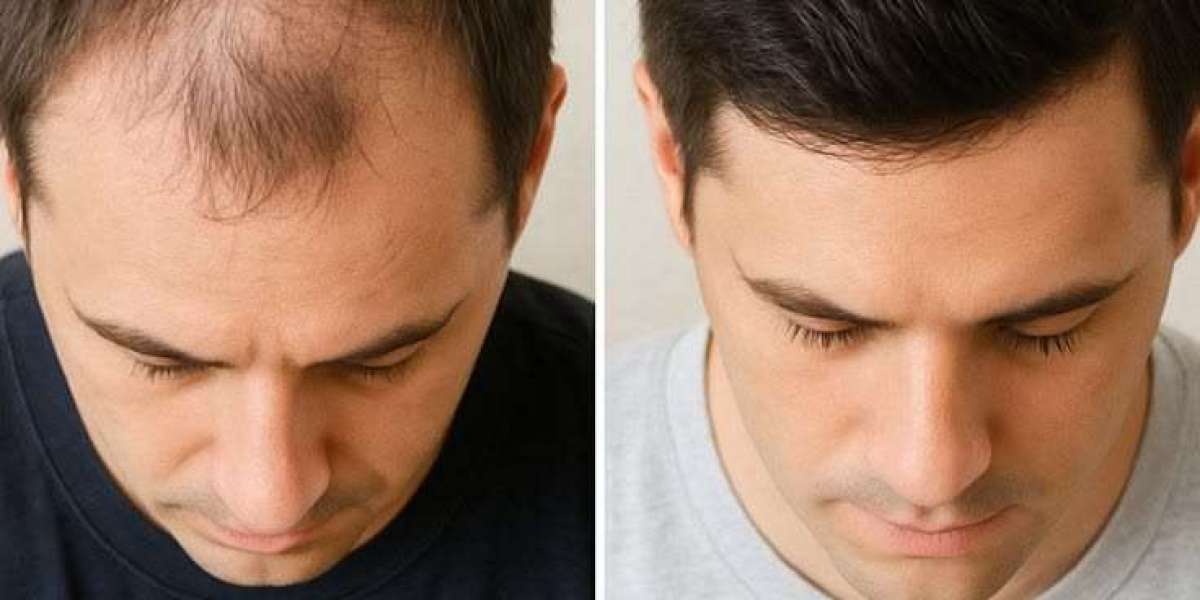

Hair restoration has changed significantly over the years. Earlier approaches could sometimes produce noticeable or artificial-looking results, but advances in surgical techniques, planning, and graft placement have improved the way transplanted hair can blend with existing growth.
Today, a hair transplant focuses not only on increasing hair coverage but also on creating an appearance that complements the patient's natural hair pattern and facial features. Careful planning and precise placement are important parts of achieving a natural-looking outcome.
Personalized Hair Restoration Planning
Natural results begin before the procedure itself. Every person's hair loss pattern, facial structure, donor density, and hair characteristics are different, so a standardized approach may not provide the most appropriate result.
During a consultation, a qualified hair restoration professional can evaluate the scalp and identify areas where hair density has decreased. The specialist may also assess the donor area to determine how many healthy follicles are realistically available.
A personalized plan can then be developed around the patient's current condition and long-term expectations. This helps ensure that grafts are distributed strategically rather than simply concentrating them in one area.
Designing a Natural Hairline
The hairline is one of the most visible elements of a hair transplant. Its position, shape, density, and direction can significantly influence whether the final result appears natural.
Modern planning takes facial proportions and existing hair into account when designing the hairline. A natural hairline typically includes subtle irregularities rather than an unnaturally straight edge.
Single-hair follicular units may be positioned toward the front of the hairline, while larger grafts can be placed farther behind it when appropriate. This gradual transition can help create a softer and more realistic appearance.
Precise Graft Placement
The placement of individual grafts is another important factor in natural-looking restoration. Hair does not grow straight out of the scalp in a uniform pattern. It has different angles, directions, and growth patterns across different areas.
During transplantation, grafts can be positioned to follow the existing direction of hair growth. Attention to angle and orientation helps the transplanted hair blend more naturally with surrounding hair.
Precision is particularly important around the hairline, temples, and other highly visible areas where even small differences can affect the overall appearance.
The Role of FUE and FUT
Modern transplantation commonly uses techniques such as Follicular Unit Extraction (FUE) and Follicular Unit Transplantation (FUT).
FUE involves extracting individual follicular units from the donor area and transferring them to recipient areas. FUT involves removing a strip of donor tissue and dividing it into individual grafts before implantation.
Both techniques can be used as part of carefully planned restoration. The most suitable method depends on factors such as donor hair characteristics, the extent of hair loss, treatment goals, and the practitioner's assessment.
Using Donor Hair Strategically
A successful hair transplant requires responsible use of the donor supply. The number of available follicles is limited, so they should be distributed carefully.
Rather than attempting to recreate the density of naturally growing hair everywhere, the specialist may focus on areas that have the greatest visual importance. Strategic placement can make the hair appear fuller while conserving donor follicles.
Long-term planning is particularly important for people who may experience continued hair loss in untreated areas.
Matching Hair Characteristics
Hair texture can influence how dense or full the transplanted area appears. Thick, curly, or wavy hair may provide different visual coverage compared with fine, straight hair.
Modern treatment planning takes characteristics such as hair thickness, curl pattern, color, and contrast with the scalp into account. Matching the transplanted follicles with the surrounding hair can contribute to a more cohesive appearance.
The goal is not simply to add individual hairs but to create coverage that works naturally with the patient's existing characteristics.
Technology and Detailed Assessment
Advances in technology have made it easier for specialists to evaluate hair and plan procedures in greater detail. High-resolution scalp assessment, photography, and other planning tools can help identify donor density and the distribution of existing hair.
These tools can support treatment decisions, but technology alone does not guarantee a particular result. Clinical judgment, surgical skill, appropriate patient selection, and careful planning remain essential.
Gradual and Natural Hair Growth
Another reason modern transplantation can look natural is that results develop gradually. Newly transplanted follicles follow their own growth cycle rather than immediately producing a full head of hair.
Some transplanted hairs may shed during the early stages before new growth begins. Over the following months, new hairs can gradually become longer and thicker.
This progressive change allows the restored area to blend with surrounding hair as it develops rather than creating an instant, dramatic appearance.
The Importance of Proper Aftercare
Aftercare is an important part of the overall restoration process. Patients are typically given instructions about scalp washing, physical activity, sleeping positions, and protecting the transplanted area.
Following these instructions carefully can help support healing and protect newly transplanted grafts. Patients should also attend recommended follow-up appointments so their progress can be monitored.
Setting Realistic Expectations
Even advanced techniques cannot guarantee identical results for every patient. Factors such as age, hair-loss progression, donor supply, existing hair density, scalp health, and individual growth patterns can influence the outcome.
A qualified specialist should explain what can realistically be achieved before treatment. Clear expectations help patients understand that the purpose of transplantation is usually to improve coverage and create a natural appearance rather than restore exactly the hair density of youth.
Conclusion
Modern hair transplant procedures combine personalized planning, natural hairline design, careful donor management, precise graft placement, and advanced surgical techniques to create more natural-looking restoration.
The best approach depends on the individual's hair characteristics and long-term goals. With appropriate assessment, skilled treatment, and proper aftercare, transplantation can provide meaningful improvement while allowing restored hair to blend with existing growth.
For more information visit Royal Hair Transplant clinic in islamabad