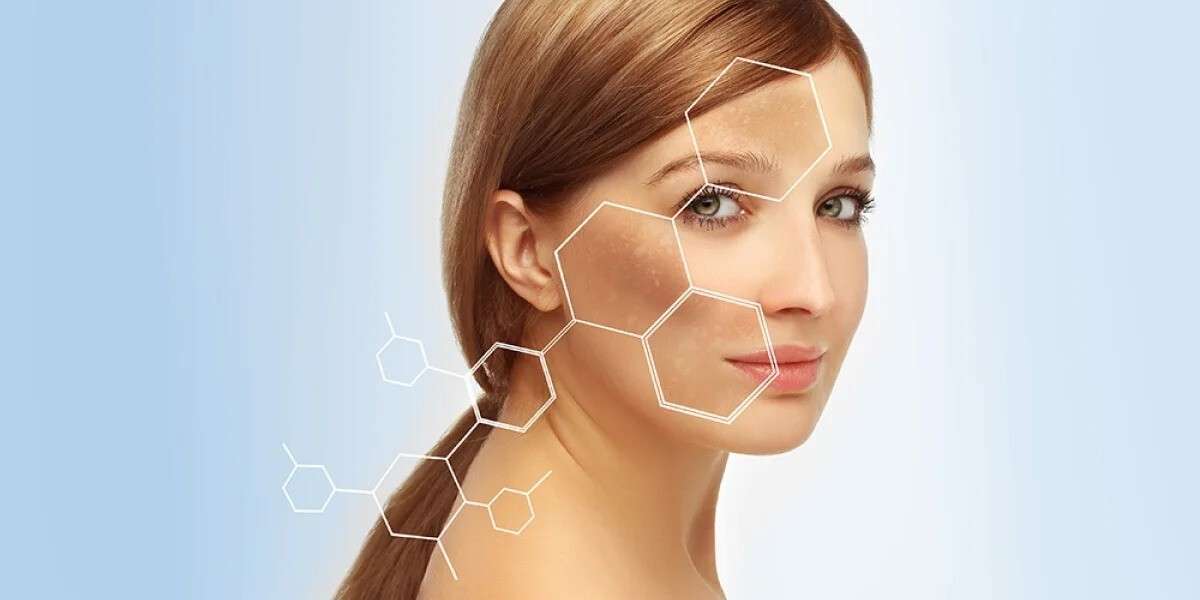

Melasma is a common pigmentation disorder that causes brown or gray-brown patches on the face, particularly the cheeks, forehead, nose, and upper lip. While it can affect all skin types, melasma is more common and often more persistent in darker skin tones. This is because melanin-producing cells are naturally more active, making pigmentation disorders more visible and harder to treat.
People seeking professional care for Melasma in Islamabad often have medium to dark skin tones and require specialized treatment approaches that reduce pigmentation without triggering irritation or post-inflammatory hyperpigmentation.
Why Darker Skin Tones Are More Prone to Melasma:
Darker skin tones contain higher levels of melanin, which provides natural protection against sun damage but also increases the risk of pigmentation disorders. When melanocytes are stimulated by triggers such as sunlight, hormones, or inflammation, they may produce excess pigment more aggressively than in lighter skin tones.
Key contributing factors:
Strong sun exposure and heat
Hormonal changes (pregnancy, oral contraceptives)
Genetic predisposition
Inflammation caused by harsh skincare products
Because darker skin reacts differently, treatments must be carefully selected to avoid worsening pigmentation.
Unique Challenges in Treating Melasma in Darker Skin:
Treating melasma in darker skin tones requires caution. Aggressive treatments can damage the skin barrier and lead to post-inflammatory hyperpigmentation, making the condition worse instead of better.
Common challenges include:
Increased sensitivity to lasers and chemical peels
Higher risk of rebound pigmentation
Slower response to certain topical treatments
Need for longer maintenance phases
This is why personalized treatment plans are essential for safe and effective results.
Safe Skincare Practices for Darker Skin Tones:
A gentle and consistent skincare routine is the foundation of melasma treatment for darker skin. Proper care helps control pigmentation while protecting the skin barrier.
Recommended practices include:
Using mild, fragrance-free cleansers
Applying moisturizers to maintain hydration
Avoiding abrasive scrubs and harsh exfoliants
Introducing active ingredients slowly and under guidance
Skincare should focus on calming the skin and gradually reducing pigmentation rather than aggressive lightening.
Professional Treatment Options and Cost Considerations:
Professional treatments are often required for moderate to severe melasma in darker skin tones. The safest and most effective options include:
Medical-grade topical creams to regulate melanin production
Superficial chemical peels designed for pigmented skin
Low-energy laser or light-based treatments suitable for darker skin
Microneedling with pigment-controlling serums
The severity of pigmentation, number of sessions, and type of treatment all affect the Melasma cost in Islamabad . A professional consultation ensures that treatments are selected safely, minimizing risks while maximizing results.
Importance of Sun Protection for Darker Skin:
Many people with darker skin believe they don't need sunscreen, but this is a common misconception. Sun exposure is one of the strongest triggers for melasma, regardless of skin tone.
Essential sun protection tips include:
Daily use of broad-spectrum sunscreen (SPF 30–50)
Reapplication every 2–3 hours outdoors
Wearing hats and sunglasses
Avoiding peak sunlight hours
Physical sunscreens containing zinc oxide or titanium dioxide are often preferred, as they are gentle and effective for melasma-prone skin.
Lifestyle Habits That Support Treatment:
Lifestyle choices play a significant role in controlling melasma, especially in darker skin tones where pigmentation can flare easily.
Helpful habits include:
Managing stress through exercise or meditation
Eating antioxidant-rich foods such as fruits and vegetables
Staying hydrated to support skin repair
Avoiding excessive heat exposure, including saunas and hot showers
These habits support professional treatments and reduce the risk of recurrence.
Long-Term Maintenance for Darker Skin Tones:
Melasma is a chronic condition, and darker skin tones require long-term maintenance to prevent flare-ups. Even after successful treatment, ongoing care is essential.
Maintenance strategies include:
Continued daily sun protection
Use of prescribed maintenance creams
Periodic follow-up treatments if recommended
Avoidance of known triggers such as harsh products or excessive sun
Consistency is key to maintaining an even complexion and preventing relapse.
When to Seek Expert Care:
If melasma becomes darker, spreads, or fails to respond to basic skincare, professional help is essential. Dermatology specialists can assess pigmentation depth, skin sensitivity, and triggers before recommending safe treatment options.
Clinics like Royal cosmetic surgery clinic specialize in treating melasma for all skin tones, offering advanced therapies and personalized care plans designed specifically for darker skin.
Conclusion:
Melasma treatment for darker skin tones requires a careful, personalized approach that prioritizes safety, patience, and consistency. Because darker skin produces melanin more actively, treatments must be gentle yet effective to avoid further pigmentation. With proper sun protection, tailored skincare, lifestyle adjustments, and professional guidance, melasma can be successfully controlled. Early intervention and long-term maintenance are the keys to achieving a brighter, more even-toned complexion without compromising skin health.