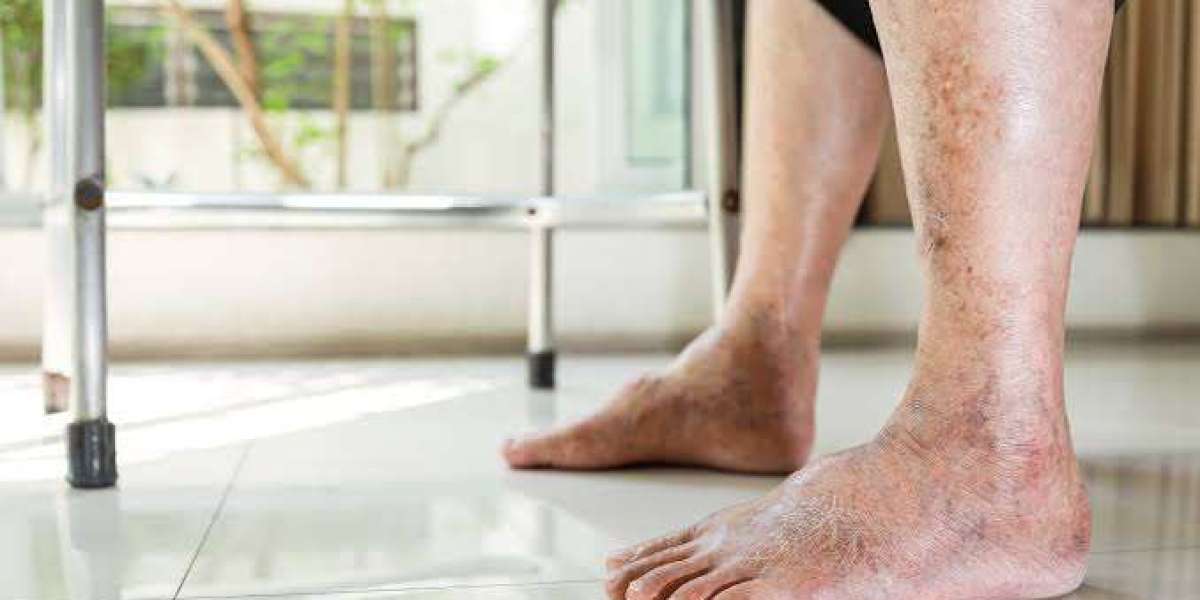

Legs and feet can swell after standing for long hours because gravity causes more blood and fluid to collect in the lower parts of the body. The veins must work against gravity to return blood toward the heart, and prolonged standing can make this process less efficient.
Occasional swelling after a long day on your feet is often temporary. However, frequent, severe, painful, or persistent swelling may point to an underlying vein, heart, kidney, liver, medication-related, or other medical problem that needs evaluation.
Why Do Legs Swell After Standing?
When you stand, gravity naturally pulls blood toward your legs. Normally, the calf muscles contract as you walk and help push venous blood back toward the heart.
When you remain standing for several hours without much movement, this muscle pump is less active. Pressure can build up inside the veins of the lower legs, allowing some fluid to move from the blood vessels into surrounding tissues.
This can result in swelling in legs and feet, particularly around the ankles.
Why Do Feet Swell More Than Other Areas?
The feet and ankles are at the lowest point of the body when you are standing.
Because of gravity, fluid tends to accumulate there more readily. You may notice that your shoes feel tighter or that your socks leave deeper marks around the ankles after a long day.
The swelling may improve after resting, walking, or elevating the legs.
Common Reasons for Leg and Foot Swelling
Standing for long periods is one possible reason for swelling, but it is not the only one.
Prolonged Standing
People whose jobs require several hours of standing may experience swelling toward the end of the workday.
Teachers, healthcare workers, retail employees, security staff, hospitality workers, and others who spend much of their working day on their feet may notice this pattern.
Taking movement breaks when possible can help maintain better circulation.
Chronic Venous Insufficiency
Chronic venous insufficiency occurs when the veins in the legs have difficulty returning blood efficiently to the heart.
The valves inside the veins normally help prevent blood from flowing backward. If these valves become weak or damaged, blood can pool in the legs.
This can cause:
- Ankle and leg swelling
- Aching
- Heaviness
- Varicose veins
- Itching
- Skin discoloration
- Leg fatigue
Swelling that repeatedly worsens after standing and improves after elevating the legs can be associated with venous problems.
Varicose Veins
Varicose veins can develop when blood pools in superficial veins because the venous valves are not working properly.
Some people with varicose veins have no symptoms, while others experience swelling, aching, heaviness, or discomfort.
If swelling regularly accompanies visible varicose veins, a vascular evaluation may help determine whether underlying venous insufficiency is present.
Hot Weather
Heat can contribute to swelling in the legs and feet.
Blood vessels naturally widen in warm temperatures, which can increase blood flow toward the skin and contribute to fluid movement into surrounding tissues.
Heat-related swelling is often temporary, but persistent swelling should not automatically be blamed on the weather.
Pregnancy
Pregnancy can cause swelling in the feet and ankles, particularly later in pregnancy.
The growing uterus can place pressure on pelvic blood vessels, while hormonal and circulatory changes can contribute to fluid retention.
Sudden or significant swelling during pregnancy, especially when accompanied by other concerning symptoms, should be discussed promptly with the healthcare provider.
Certain Medications
Some medications can cause or contribute to swelling.
These may include certain medicines used to treat high blood pressure and other conditions.
If swelling begins after starting a new medication, do not stop the medicine without medical advice. Speak with the prescribing doctor about whether the medication could be contributing.
Is Swelling After Standing Normal?
Mild swelling that develops after several hours of standing and disappears after rest may occur in otherwise healthy people.
However, the pattern matters.
Swelling that happens frequently, becomes progressively worse, remains after overnight rest, affects only one leg, or is accompanied by pain or skin changes deserves medical attention.
The cause cannot be determined from swelling alone.
One Leg Swollen vs Both Legs Swollen
The pattern of swelling can provide useful information.
Swelling in both legs may occur with prolonged standing, venous insufficiency, certain medications, or conditions that cause generalized fluid retention.
Swelling that develops mainly in one leg can have different causes, including a blood clot, infection, injury, or localized vein problem.
Sudden swelling in one leg, particularly when accompanied by pain, warmth, redness, or tenderness, should be evaluated promptly.
Can Standing Cause Varicose Veins?
Long periods of standing can contribute to increased pressure in the veins of the legs and may make existing varicose vein symptoms more noticeable.
Standing itself does not mean that someone will definitely develop varicose veins.
Factors such as genetics, age, pregnancy, body weight, and the health of the vein valves also influence the likelihood of developing venous disease.
What Can You Do to Reduce Swelling After Standing?
Several simple measures may help reduce temporary swelling.
Keep Moving
If your work requires standing, avoid staying completely still for long periods.
Walking periodically and moving your ankles and feet can activate the calf muscle pump and encourage venous blood flow.
Elevate Your Legs
When resting, raising your legs above the level of your heart for a period can help fluid move away from the lower limbs.
The exact duration and frequency can depend on the reason for the swelling.
Avoid Sitting or Standing in One Position for Too Long
Changing position regularly can support circulation.
If you have a standing job, take short walking or movement breaks when possible. If you work while sitting, periodically stand and move around.
Maintain Physical Activity
Regular physical activity can support circulation and overall cardiovascular health.
Walking is a simple activity that engages the calf muscles. People with significant leg pain or vascular disease should discuss an appropriate exercise plan with their healthcare provider.
Consider Compression When Appropriate
Compression stockings can help some people with venous-related swelling by supporting blood return from the legs.
However, compression is not appropriate for everyone, particularly people with certain arterial circulation problems.
Ask a healthcare professional whether compression is suitable before using it for persistent leg swelling.
Expert Tip: “Pay attention to the timing of your swelling. If your ankles become progressively more swollen after standing and improve after leg elevation or overnight rest, tell your doctor. That pattern can provide useful clues about how your leg veins are functioning.”
When Should You See a Doctor?
You should consider medical evaluation when leg or foot swelling is persistent, recurrent, worsening, or interfering with normal activities.
A vascular specialist may be appropriate when swelling is associated with varicose veins, leg heaviness, skin changes, or other symptoms suggesting a venous circulation problem.
Depending on your symptoms and medical history, your doctor may recommend a physical examination or tests such as a duplex ultrasound.
When Is Leg Swelling an Emergency?
Sudden swelling in one leg accompanied by pain, warmth, redness, or tenderness can be a sign of deep vein thrombosis (DVT) and requires prompt medical assessment.
If leg swelling occurs with sudden shortness of breath, chest pain, coughing up blood, fainting, or severe difficulty breathing, seek emergency medical care.
These symptoms can have multiple causes, but a potentially serious blood clot affecting the lungs needs to be ruled out.
Can Heart, Kidney, or Liver Problems Cause Swelling?
Yes. Conditions affecting the heart, kidneys, or liver can contribute to fluid accumulation and swelling.
Swelling related to these conditions may not be limited to the end of a long day of standing and may occur alongside other symptoms.
Persistent swelling should therefore be assessed in context rather than assumed to be caused by prolonged standing alone.
Leg and Foot Swelling and Dr Sumit Kapadia
Dr Sumit Kapadia provides vascular and endovascular care for conditions affecting the arteries and veins.
Patients experiencing recurring leg or foot swelling, particularly when it is associated with varicose veins, heaviness, aching, skin changes, or prolonged-standing discomfort, may benefit from a vascular assessment.
The cause of swelling varies between individuals. A proper evaluation can help determine whether the symptoms are related to venous circulation or whether another medical cause should be considered.
Quick-Scan: Causes and Clues
| Possible Cause | Common Pattern or Clue |
|---|---|
| Prolonged standing | Swelling develops toward the end of the day |
| Venous insufficiency | Swelling with heaviness, aching or skin changes |
| Varicose veins | Visible enlarged veins with possible swelling |
| Heat | Temporary swelling that may improve with cooling and rest |
| Pregnancy | Often affects feet and ankles, especially later in pregnancy |
| Medication | Swelling may begin after starting certain medicines |
| DVT | Often sudden, one-sided swelling with pain or warmth |
| Systemic fluid retention | May cause swelling beyond the feet and ankles |
Frequently Asked Questions
Why do my feet swell after standing all day?
Standing for long periods allows gravity to increase pressure in the veins of the lower legs. If the calf muscles are not moving enough, blood and fluid can accumulate around the ankles and feet. Mild swelling may improve with walking, rest, and leg elevation.
How can I reduce leg swelling after standing?
Moving regularly, avoiding prolonged periods in one position, elevating the legs while resting, and maintaining regular physical activity may help. Compression stockings can benefit some people with venous swelling, but they should be used only when appropriate for your circulation.
Is swelling in one leg more concerning?
Sudden swelling in one leg can be more concerning than mild swelling in both legs, particularly if it is accompanied by pain, warmth, redness, or tenderness. These symptoms can occur with DVT and should be medically evaluated promptly rather than assumed to be from prolonged standing.
When should swollen feet be checked by a doctor?
Have persistent, recurrent, worsening, or unexplained swelling evaluated by a healthcare professional. Medical assessment is particularly important when swelling is painful, affects only one leg, is associated with skin changes, or does not improve with rest and elevation.