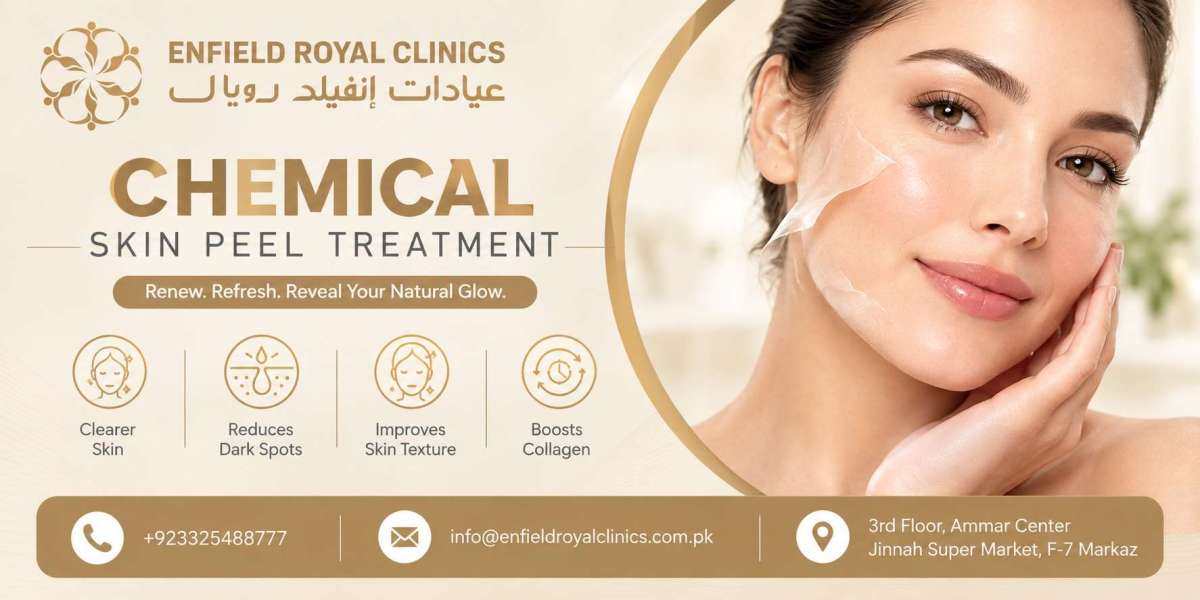

Chemical peels are widely used in professional skincare to improve the appearance of dull skin, uneven tone, pigmentation, acne marks, and rough texture. The treatment involves applying a specially selected chemical solution to the skin to encourage controlled exfoliation and support a fresher-looking complexion. However, chemical peels are not all the same. They differ in their ingredients, strength, depth, expected results, and recovery requirements.
Understanding the main types of chemical peels can help individuals make informed decisions about their skincare goals. People considering Chemical peel treatment in Islamabad should know that the most suitable option depends on their skin type, concerns, sensitivity, and previous treatment history.
Some peels work mainly on the skin's surface, while others affect deeper layers and require more recovery. A professional assessment helps determine which treatment may provide appropriate results while reducing the risk of irritation or pigmentation changes.
What Are the Different Depths of Chemical Peels?
Chemical peels are commonly classified into three main categories: superficial, medium-depth, and deep peels. This classification describes how deeply the solution affects the skin.
Superficial Chemical Peels
Superficial peels affect the outermost layer of the skin. They are often selected for mild concerns such as dullness, uneven texture, superficial pigmentation, and certain acne-related marks.
These peels generally involve less downtime than stronger treatments. Some patients may experience mild redness, dryness, tightness, or light flaking after the session. The skin may gradually appear smoother and brighter as the outer cells shed.
Superficial peels are not necessarily suitable for everyone, even though they are generally less intensive. The ingredients, concentration, and application method still need to be selected carefully according to the patient’s skin condition.
Medium-Depth Chemical Peels
Medium-depth peels affect deeper layers of the skin than superficial treatments. They may be considered for selected concerns, including more noticeable pigmentation, uneven texture, and certain fine lines.
Because they produce a stronger exfoliating effect, medium-depth peels may involve more redness, peeling, sensitivity, and recovery time. Patients may need to follow detailed aftercare instructions and avoid activities that can irritate the treated area.
The professional must carefully evaluate the patient’s skin type and risk of pigmentation before recommending this type of treatment. A deeper peel is not automatically better, and the potential benefits must be balanced against the possible risks.
Deep Chemical Peels
Deep chemical peels affect more substantial layers of the skin and are generally used selectively for specific concerns. They involve more significant recovery and a greater possibility of complications, including scarring, prolonged redness, and pigmentation changes.
These treatments require careful medical assessment and strict aftercare. They are not appropriate for every individual or every cosmetic concern. In many situations, less intensive treatments may be considered before a deeper procedure.
The depth of a peel should always be selected by a qualified professional rather than based only on the desired speed of results.
What Is a Glycolic Acid Peel?
A glycolic acid peel uses glycolic acid, an alpha hydroxy acid commonly used for exfoliation. Because glycolic acid can help loosen dead skin cells, it may be selected for improving dullness, rough texture, mild pigmentation, and the appearance of fine lines.
The suitability of glycolic acid depends on its concentration, pH, application time, and the patient’s skin condition. A lower-strength formulation may be used for a gentler exfoliating effect, while stronger professional preparations require more careful handling.
Potential benefits may include:
- Improved-looking skin texture
- Reduction in surface dullness
- Support for a more even skin tone
- Improvement in the appearance of some dark marks
- Smoother-looking skin
Glycolic acid may cause irritation in sensitive skin, particularly when used too frequently or at an unsuitable strength. Patients should avoid combining professional peel treatment with unapproved exfoliating products during recovery.
Sun protection is also important because the skin may become more sensitive after exfoliation. A professional can determine whether glycolic acid is suitable and explain the expected recovery process.
How Does a Salicylic Acid Peel Work?
Salicylic acid is a beta hydroxy acid that is commonly used in skincare for oily skin and acne-related concerns. It can help exfoliate the skin and support the removal of dead cells and excess surface oil.
A salicylic acid peel may be considered for individuals experiencing clogged pores, mild acne, oily skin, and certain post-acne marks. Its properties can make it useful when the skin concern involves congestion or excess oil production.
However, salicylic acid is not suitable for every patient. Skin sensitivity, allergies, current skincare products, and the presence of active irritation should be assessed before treatment.
Patients may experience temporary dryness, redness, tightness, or peeling. Using additional exfoliants or strong acne products too soon after treatment may increase irritation.
Salicylic acid peels can support a clearer-looking complexion, but they do not guarantee complete acne control or permanent removal of acne marks. Persistent acne may require a broader treatment plan that addresses its underlying causes.
What Are Lactic Acid and Mandelic Acid Peels?
Lactic acid and mandelic acid are also used in certain chemical peel formulations. Both belong to the alpha hydroxy acid family, although their properties and suitability can differ.
Lactic Acid Peels
Lactic acid is often used for gentle exfoliation and may be considered for dry or dull-looking skin. It can support the removal of surface dead cells and improve the appearance of uneven texture.
Some formulations may be selected for people who want a mild exfoliating treatment. However, individuals with sensitive skin still require careful assessment because even gentle acids can cause irritation.
Mandelic Acid Peels
Mandelic acid has a larger molecular structure than some other exfoliating acids, which may allow it to work more gradually on the skin. It is sometimes considered for individuals with acne-related concerns, uneven tone, or sensitive skin.
Its suitability depends on the formulation and the patient’s skin response. Mandelic acid should not automatically be considered risk-free simply because it may act more slowly.
Both lactic and mandelic acid peels require appropriate application, professional guidance, and aftercare. The choice depends on the patient’s goals and the condition of the skin rather than the ingredient name alone.
Which Chemical Peel Is Suitable for Pigmentation and Uneven Tone?
Chemical peels may help improve selected forms of superficial pigmentation and uneven skin tone. However, the best option depends on the cause, depth, and pattern of discoloration.
Some superficial peels may be considered for mild dark spots, sun-related discoloration, and post-acne marks. Other pigmentation concerns, such as melasma, may require a more cautious and comprehensive approach.
Melasma can be influenced by sunlight, hormones, heat, and inflammation. If the skin becomes irritated during treatment, pigmentation may worsen in some individuals. This is especially important for people who have previously developed dark marks after skin injuries or cosmetic procedures.
Before treatment, a professional may assess:
- The location and appearance of pigmentation
- Skin tone and sensitivity
- Previous pigmentation reactions
- Sun exposure habits
- Current skincare products
- Any active skin conditions
The treatment plan may include sun protection and topical skincare alongside a chemical peel. Results vary, and complete removal of pigmentation cannot be guaranteed.
How Is the Right Chemical Peel Selected for Each Patient?
Selecting a chemical peel involves more than choosing an ingredient or treatment depth. A professional should consider the patient’s skin type, treatment goals, medical history, and previous reactions.
A person with oily skin and clogged pores may require a different approach from someone with dry skin and mild dullness. Similarly, a patient concerned about pigmentation may need a gentle plan that minimizes irritation.
The professional may recommend a superficial peel, a different chemical formulation, or an alternative treatment depending on the skin assessment. In some cases, treatment may be postponed until active inflammation, sunburn, or skin damage has improved.
Patients should share information about allergies, medications, recent waxing, laser procedures, active acne, cold sores, and previous chemical peel reactions. This information can help reduce avoidable risks.
The treatment should focus on controlled improvement rather than aggressive exfoliation. A suitable peel is one that matches the patient’s skin condition and recovery capacity.
What Should Patients Expect During Recovery?
Recovery depends on the type and depth of the chemical peel. Superficial treatments may cause mild dryness or flaking, while medium-depth and deep peels can involve more noticeable peeling and longer healing.
Common temporary effects may include:
- Redness
- Tightness
- Dryness
- Mild swelling
- Sensitivity
- Flaking or peeling
Patients should avoid picking, rubbing, or pulling peeling skin. These actions may damage the skin barrier and increase the risk of infection, scarring, or pigmentation changes.
Aftercare commonly involves gentle cleansing, suitable moisturization, and sun protection. Patients should avoid harsh scrubs and active ingredients until the skin has recovered according to professional instructions.
Severe pain, blistering, significant swelling, spreading redness, or signs of infection should be assessed by a healthcare professional. These symptoms should not be ignored or treated as routine peeling.
Frequently Asked Questions
1. What are the main types of chemical peel treatment?
The main types are superficial, medium-depth, and deep chemical peels. They can also be categorized by their ingredients, such as glycolic acid, salicylic acid, lactic acid, and mandelic acid.
2. Which chemical peel is suitable for acne-prone skin?
A salicylic acid peel may be considered for selected acne-prone or oily skin concerns. Suitability depends on skin sensitivity, acne severity, current products, and professional assessment.
3. Can chemical peels improve pigmentation?
Certain chemical peels may improve superficial pigmentation and post-acne marks. However, results vary, and some pigmentation conditions require a customized treatment approach.
4. Is a deep chemical peel better than a superficial peel?
Not necessarily. A deeper peel may provide a stronger effect but also involves greater risks and recovery requirements. The appropriate depth depends on the patient's skin condition and treatment goals.
5. How long does chemical peel recovery take?
Recovery varies according to the peel's strength and depth. Superficial peels may involve limited downtime, while stronger treatments can require a longer healing period.
6. Can patients use exfoliating skincare products after a chemical peel?
Patients should avoid restarting exfoliating acids, retinoids, and harsh scrubs until the skin has recovered and professional guidance allows their use.
Conclusion
The main types of chemical peel treatment include superficial, medium-depth, and deep peels, along with different formulations such as glycolic acid, salicylic acid, lactic acid, and mandelic acid. Each type has specific properties, benefits, limitations, and recovery requirements.
Chemical peel treatment in Islamabad should be selected according to the patient's skin type, concerns, sensitivity, and desired results. Professional assessment is essential for choosing an appropriate formulation and reducing the risk of irritation or pigmentation changes.
With careful planning, realistic expectations, and consistent aftercare, chemical peels may support improvements in skin texture, dullness, acne-related marks, and uneven tone. A suitable treatment should always prioritize skin health alongside cosmetic improvement.