
Receiving an electrocardiogram (ECG) report can leave many patients with questions because the document often contains medical abbreviations, measurements, and automated observations that are difficult to interpret without clinical knowledge. If you have concerns about your ECG, symptoms, or cardiovascular risk factors, a heart specialist online consultation India can provide an opportunity to discuss your report with a qualified cardiologist. A professional can interpret ECG findings alongside your medical history, symptoms, medications, and other investigations rather than relying on individual terms in isolation.
What Is an ECG?
An ECG is a non-invasive test that records the electrical activity of the heart. Small electrodes placed on the skin detect electrical signals produced as the heart beats.
The resulting tracing can provide information about:
Heart rate
Heart rhythm
Electrical conduction
Certain waveform patterns
Some rhythm abnormalities
Findings that may require further investigation
An ECG is commonly used in cardiovascular assessment, but it is only one component of a complete medical evaluation.
Why Do Doctors Order ECG Tests?
A doctor may recommend an ECG for different reasons. It can be useful when someone reports symptoms such as palpitations, dizziness, fainting, or certain types of chest discomfort.
An ECG may also be considered when a patient has an existing cardiovascular condition or when a healthcare professional believes an electrical assessment of the heart is appropriate.
The reason for ordering the test is important because it provides context when interpreting the findings.
What Does My ECG Report Mean?
One of the most common questions patients ask after receiving an ECG is, what does my ecg report mean?
There is no single answer because ECG reports can contain multiple measurements and observations. The meaning of a finding depends on the actual tracing, the patient's symptoms, medical history, medications, and other relevant information.
An ECG machine may also provide an automated interpretation. Such observations can be useful but should be reviewed by an appropriately qualified healthcare professional.
Understanding Heart Rate on an ECG
Heart rate refers to how many times the heart beats in a minute.
An ECG report may provide a calculated heart rate based on the recording.
Heart rate can change naturally due to:
Physical activity
Stress
Anxiety
Fever
Caffeine
Certain medications
Fitness level
Hydration
Sleep
Therefore, a heart rate value should not automatically be interpreted as abnormal simply because it is higher or lower than expected.
Understanding Sinus Rhythm
The sinoatrial node is the heart's natural pacemaker. When electrical activity begins there and follows the expected pathway, the rhythm is generally described as sinus rhythm.
A report may therefore include terms such as "sinus rhythm" or "normal sinus rhythm."
However, a complete ECG interpretation involves more than identifying the rhythm.
What Does Sinus Tachycardia Mean?
Sinus tachycardia generally refers to a sinus rhythm with a faster-than-expected heart rate.
It can occur for many reasons, including physical activity, fever, dehydration, stress, or certain medications.
The significance depends on the circumstances. A healthcare professional may consider why the heart rate was elevated and whether additional assessment is appropriate.
What Does Sinus Bradycardia Mean?
Sinus bradycardia refers to a slower sinus heart rate.
A slower rate can occur in healthy individuals, including some physically fit people, particularly at rest.
It can also occur in connection with certain medications or medical conditions.
A doctor evaluates the finding in the context of symptoms and the patient's overall health.
Understanding the PR Interval
The PR interval represents the time associated with electrical conduction from the atria toward the ventricles.
ECG reports may provide a measurement for the PR interval.
The significance of an unusual measurement depends on factors such as the patient's rhythm, medications, symptoms, and other ECG characteristics.
Patients should avoid diagnosing a conduction problem based solely on one number.
Understanding the QRS Complex
The QRS complex reflects electrical activity associated with ventricular depolarization.
An ECG report may state the QRS duration and may describe its morphology.
Changes in QRS duration or shape can have different clinical implications. A cardiologist may review the actual tracing to determine whether a finding requires further evaluation.
What Does QT or QTc Mean?
The QT interval represents part of the heart's electrical cycle.
QTc refers to a corrected QT interval, which adjusts the QT measurement in relation to heart rate.
Certain medications, electrolyte disturbances, and medical conditions can influence QT-related measurements.
If your report contains a QT or QTc finding that concerns you, discuss it with your doctor rather than attempting to interpret it independently.
Understanding the Electrical Axis
An ECG report may include information about the electrical axis.
The axis represents the general direction of ventricular electrical activity.
Reports may describe the axis as normal, leftward, or rightward, among other terms.
An axis finding alone does not necessarily indicate a disease. Its significance depends on the complete ECG and clinical context.
What Does "Abnormal ECG" Mean?
Seeing the words "abnormal ECG" can understandably cause concern.
However, an automated ECG system may flag findings that require professional review without necessarily establishing a serious diagnosis.
A cardiologist may examine the actual tracing and compare it with previous ECGs. They may also consider symptoms, medical history, medications, and other test results.
Therefore, an "abnormal" automated label should not be treated as a diagnosis by itself.
What Are Automated ECG Interpretations?
Many modern ECG machines can analyze recorded signals and generate preliminary observations.
These automated interpretations can identify patterns that may warrant attention, but they are not intended to replace clinical judgment.
A healthcare professional may confirm, modify, or disregard an automated observation after reviewing the ECG and clinical information.
Why Symptoms Matter When Reading an ECG
An ECG finding has to be interpreted alongside the patient's symptoms.
For example, an ECG obtained because of palpitations may be evaluated differently from a routine ECG performed for another reason.
Relevant symptoms may include:
Palpitations
Dizziness
Fainting
Chest discomfort
Breathlessness
Reduced exercise tolerance
Patients should tell their healthcare professional about any symptoms they are experiencing.
Can an ECG Detect a Heart Attack?
An ECG can provide important information during the evaluation of suspected acute heart problems.
However, a complete assessment may involve symptoms, ECG findings, blood tests, physical examination, and other investigations.
If someone experiences severe or persistent chest pain, significant breathing difficulty, fainting, or other potentially serious symptoms, they should seek urgent medical care rather than relying on an online report review.
Can an ECG Detect an Irregular Heart Rhythm?
An ECG can identify certain rhythm abnormalities, particularly if the abnormal rhythm is occurring during the recording.
However, some rhythm problems happen intermittently.
If symptoms occur only occasionally, a short ECG may not capture the abnormal rhythm. A doctor may therefore consider longer-term monitoring when clinically appropriate.
ECG Versus Echocardiogram
An ECG and echocardiogram are different tests.
An ECG primarily records electrical activity, while an echocardiogram uses ultrasound to create images of the heart.
An echocardiogram can provide information about heart structure and pumping function.
A doctor may recommend one or both depending on the patient's symptoms, medical history, and examination findings.
Why Previous ECGs Can Be Helpful
Previous ECG reports can provide useful information for comparison.
If an ECG finding is present on multiple recordings and remains stable, it may be interpreted differently from a newly developed change.
Patients should therefore keep copies of previous cardiac investigations whenever possible.
How a Cardiologist Interprets an ECG
A cardiologist may assess several components of the ECG, including:
Heart rate
Rhythm
P-wave characteristics
PR interval
QRS complex
QT or QTc interval
ST segments
T waves
Electrical axis
Overall pattern
These findings are interpreted alongside the patient's clinical information.
Can You Review an ECG Online?
For non-emergency situations, patients may discuss an existing ECG report with a cardiologist through an online consultation.
The patient can provide relevant information about symptoms and medical history, along with available reports.
The cardiologist may explain the report and determine whether further investigation or an in-person assessment is appropriate.
Online consultation should not be used to delay emergency medical treatment.
How to Prepare for an Online ECG Review
Before an online consultation, keep the following information ready:
Your ECG report
The ECG tracing, if available
Previous ECGs
Current medications
Blood-pressure readings
Relevant blood-test results
Previous diagnoses
Details about your symptoms
Family history
A clear timeline of symptoms can also be helpful.
Common Questions Patients Ask About ECG Reports
Is Every ECG Abnormality Dangerous?
No. Some findings may be benign, temporary, or require only observation, while others may warrant further assessment. Their significance depends on the complete clinical picture.
Does an Abnormal ECG Mean I Have Heart Disease?
Not necessarily. An automated or preliminary abnormal interpretation does not by itself establish a diagnosis.
Can Stress Cause ECG Changes?
Stress can affect heart rate and may be associated with palpitations, but ECG changes should be interpreted professionally rather than automatically attributed to stress.
Can a Normal ECG Rule Out Every Heart Problem?
No. Different heart conditions require different types of evaluation, and an ECG does not assess every aspect of cardiovascular health.
Preventive Heart Health and ECG Monitoring
Understanding an ECG is only one part of maintaining cardiovascular health.
Preventive care may also involve monitoring blood pressure, cholesterol, blood glucose, weight, physical activity, smoking exposure, and family history.
For people who want to discuss their cardiovascular risk factors with a specialist, a preventive heart health checkup online can provide a convenient starting point. The appropriate tests and follow-up schedule should be determined according to individual health circumstances.
Why You Should Avoid Self-Diagnosing From an ECG
Medical terminology can be difficult to interpret without clinical context.
Searching individual ECG terms online may produce information that is technically correct but not necessarily relevant to your situation.
A professional can determine whether a finding is significant by considering the entire ECG and the patient's symptoms, medical history, medications, and other investigations.
When Should You Seek Immediate Medical Care?
An online ECG discussion is not appropriate for emergency symptoms.
Seek immediate medical attention if you experience:
Severe or persistent chest pain
Significant difficulty breathing
Fainting or loss of consciousness
Sudden severe weakness
New concerning neurological symptoms
Rapidly worsening symptoms
Emergency symptoms require prompt in-person evaluation.
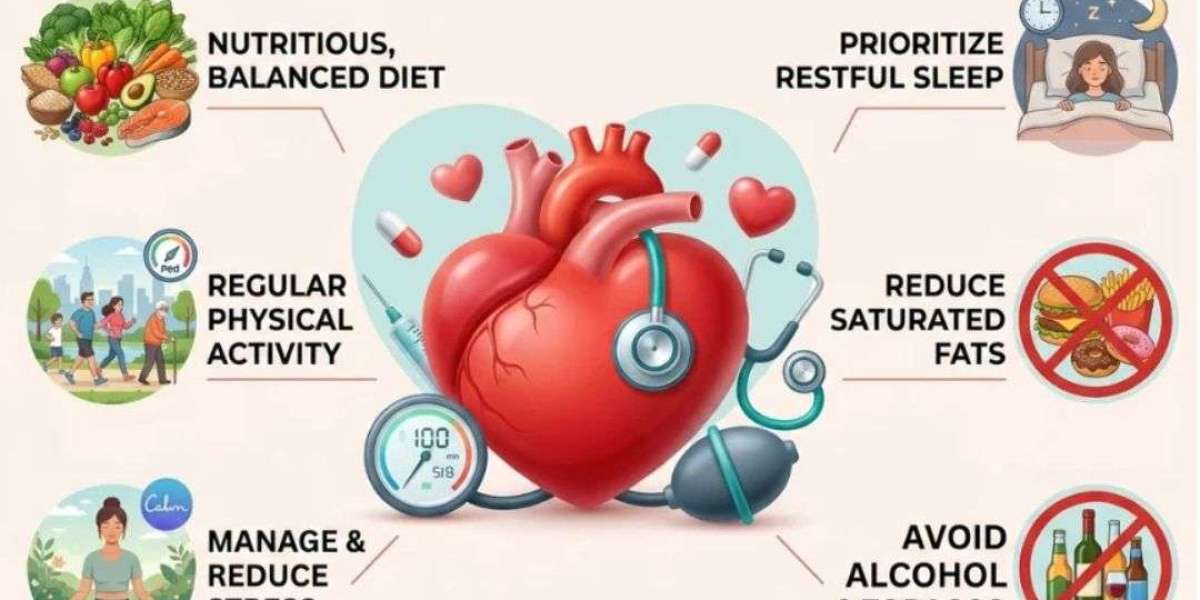
Maintaining Good Heart Health
Alongside appropriate medical monitoring, everyday habits can support cardiovascular health.
Eat a Balanced Diet
A balanced eating pattern can include vegetables, fruits, whole grains, legumes, nuts, and other nutrient-rich foods.
Stay Active
Regular physical activity can support cardiovascular fitness. People with known heart conditions should discuss appropriate exercise with their healthcare professional.
Avoid Tobacco
Avoiding smoking and tobacco products can reduce an important cardiovascular risk factor.
Monitor Existing Conditions
People with high blood pressure, diabetes, or high cholesterol should follow their healthcare professional's recommendations for monitoring and treatment.
Maintain Regular Follow-Up
Follow-up appointments can help monitor changes and ensure that treatment remains appropriate.
The Value of Professional ECG Interpretation
An ECG contains much more information than a simple "normal" or "abnormal" label.
Professional interpretation considers the complete tracing, clinical history, symptoms, medications, and previous investigations.
This approach can help patients understand what their report means without drawing conclusions from isolated measurements.
Conclusion
ECG reports can contain several technical terms, including information about heart rate, rhythm, intervals, QRS duration, QTc, electrical axis, and automated observations. If you are asking what does my ecg report mean, the safest approach is to have the report reviewed in the context of your symptoms and medical history by a qualified cardiologist. An heart specialist online consultation India can provide a convenient way to discuss non-emergency ECG questions and other cardiovascular concerns. For broader preventive monitoring, a preventive heart health checkup online can also help you discuss cardiovascular risk factors and appropriate health monitoring with a specialist. If you experience severe or rapidly worsening symptoms, seek immediate medical care instead of waiting for an online consultation.