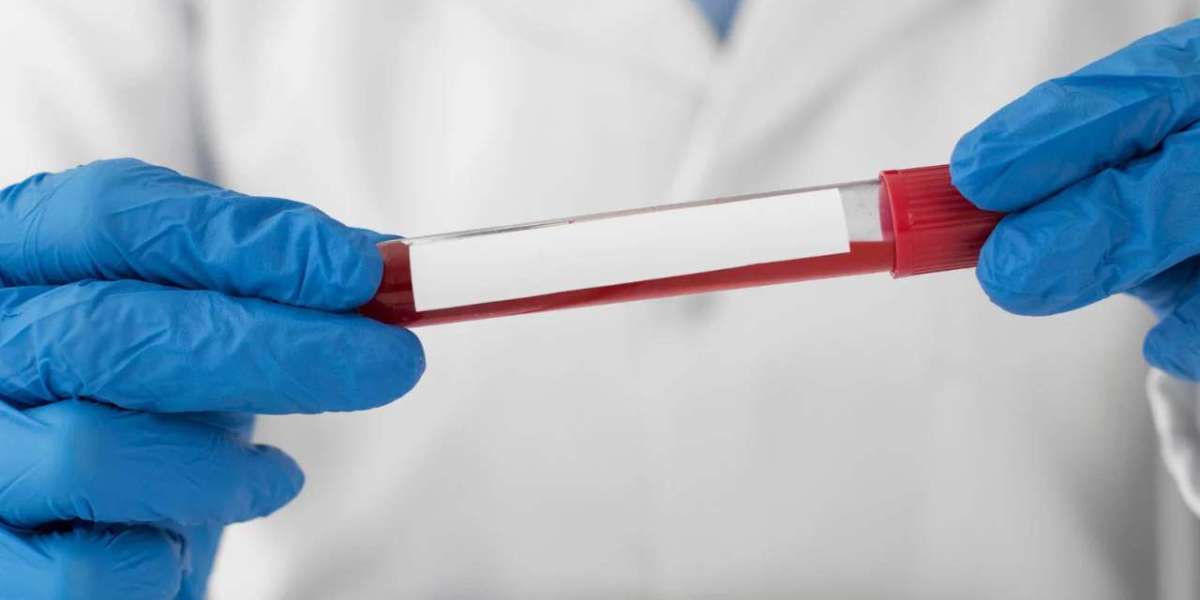

An HIV Blood Test is a medical test used to check for evidence of HIV infection. Many people have questions before getting tested, especially about how the test works, when it should be taken, and what the results mean. Understanding the basic process can make testing easier and help you know what to expect.
For people seeking convenient healthcare services, a Blood test in Dubai can provide access to professional testing in a suitable healthcare environment. Healthcare professionals can explain the testing method, discuss the appropriate timing, and answer questions about sample collection and results.
Why Should You Consider an HIV Blood Test?
HIV does not always cause noticeable symptoms. Some people can have HIV and feel completely healthy, particularly during certain stages of infection. This means that symptoms alone cannot reliably tell someone whether they have HIV.
An HIV Blood Test can provide information about HIV status and may be performed as part of sexual health screening or after a possible exposure. If HIV is detected, healthcare professionals can discuss appropriate treatment and ongoing medical care.
Knowing your status can also help you make informed decisions about your health and future screening.
Does an HIV Blood Test Hurt?
An HIV blood test usually involves collecting a small blood sample with a sterile needle. You may feel a brief pinch or mild discomfort when the needle is inserted.
The actual blood collection normally takes only a short time. If you are nervous about needles, you can tell the healthcare professional before the procedure so they can explain each step and help you remain comfortable.
Once the sample has been collected, it is handled according to the testing procedure.
Do You Need to Fast Before HIV Testing?
An HIV blood test alone generally does not require fasting. You can usually follow your normal eating and drinking routine unless your healthcare provider gives you different instructions.
If you are having other blood tests at the same appointment, those tests may have separate preparation requirements. It is therefore useful to follow the instructions provided by the healthcare facility.
If you are uncertain about preparation, ask the healthcare professional before the appointment.
What Types of HIV Tests Are Available?
Different HIV tests detect different markers associated with infection. Some tests look for antibodies produced by the immune system, while combination tests can detect both HIV antibodies and an HIV-related antigen.
Other testing methods can detect HIV genetic material and may be used in particular circumstances.
The appropriate test can depend on factors such as the purpose of testing, the time since a possible exposure, and professional medical guidance.
Why Does the Test Type Matter?
The type of test matters because different methods can detect HIV at different stages after infection. A test performed too early may not detect a recent infection.
A healthcare professional can explain which testing method is being used and what its detection period means for your situation.
When Is the Best Time to Take an HIV Blood Test?
The appropriate time for testing depends on the circumstances. If you are having routine screening, the timing may be different from testing after a recent possible exposure.
After a possible exposure, testing immediately may not detect HIV because the markers being tested may not yet be present at detectable levels.
This period is known as the window period. If testing occurs during this period, repeat testing may be recommended.
What Is the HIV Window Period?
The window period is the time between possible HIV infection and the point when a particular test can reliably detect evidence of infection.
The length of the window period varies according to the testing method. Because of this, a negative result shortly after a possible exposure may not completely rule out a recent infection.
If you are concerned about a recent exposure, speak with a qualified healthcare professional about when testing should take place and whether additional testing may be necessary.
Can HIV Be Present Without Symptoms?
Yes. HIV can sometimes be present without obvious symptoms. Some people may experience flu-like symptoms during an early stage of infection, while others may not notice any changes in their health.
Symptoms such as fever, tiredness, sore throat, swollen lymph nodes, and body aches can also occur with many other illnesses. They are therefore not enough to confirm or rule out HIV.
Testing is a more appropriate way to obtain information about HIV status.
How Long Does It Take to Get HIV Test Results?
The time required to receive an HIV test result depends on the testing method and the facility performing the test. Some tests can provide results relatively quickly, while laboratory-based testing may require additional processing time.
Before the test, you can ask the healthcare provider when your results are expected and how they will be communicated.
If additional testing is required, the provider can explain the next steps.
What Does a Negative HIV Test Mean?
A negative result generally means that the test did not detect evidence of HIV in the sample at the time it was analyzed.
However, timing is important. If the test was performed during the window period following a recent possible exposure, another test may be recommended.
A healthcare professional can help explain whether the result is considered reliable based on the testing method and the timing of possible exposure.
What Does a Reactive HIV Test Mean?
A reactive screening result does not automatically confirm HIV infection. Additional testing is generally required to determine whether HIV is actually present.
If you receive a reactive result, follow the instructions provided by your healthcare professional. They can explain the follow-up testing process and help you understand what the result means.
It is important not to assume that an initial reactive screening result is a confirmed diagnosis.
Why Is Follow-Up Testing Important?
Follow-up testing provides additional information after a reactive screening result. It allows healthcare professionals to evaluate the initial finding more thoroughly.
Completing recommended follow-up testing is an important part of obtaining an accurate diagnosis.
Can You Get Tested After a Possible HIV Exposure?
Yes, HIV testing can be performed after a possible exposure, but the timing of the test is important.
A test performed immediately after exposure may not detect a new infection. Depending on the circumstances, a healthcare professional may recommend testing at a later time or repeating the test.
If the possible exposure occurred very recently, some HIV prevention options are time-sensitive. Seeking professional medical advice promptly can therefore be important.
Is an HIV Blood Test Confidential?
HIV testing involves sensitive health information. A professional healthcare service can provide an appropriate environment where patients can discuss their concerns and receive information about testing and results.
You can ask the testing provider how your information and results are handled. Healthcare professionals can also explain the process before the sample is collected.
Should You Take an HIV Test If You Feel Healthy?
Feeling healthy does not necessarily mean that HIV is absent. Because HIV may not produce noticeable symptoms, testing can be useful when there is a reason to check your status.
An HIV Blood Test can provide information that cannot be obtained from symptoms alone. A healthcare professional can help you understand whether testing is appropriate for your circumstances.
Final Thoughts
An HIV Blood Test can answer important questions about HIV status and provide useful information for personal healthcare. Understanding the testing process, preparation requirements, window period, and possible results can help make the experience less confusing. If you have concerns about a possible exposure, are unsure when to test, or need help understanding a result, speaking with a qualified healthcare professional can help you determine the appropriate next steps.