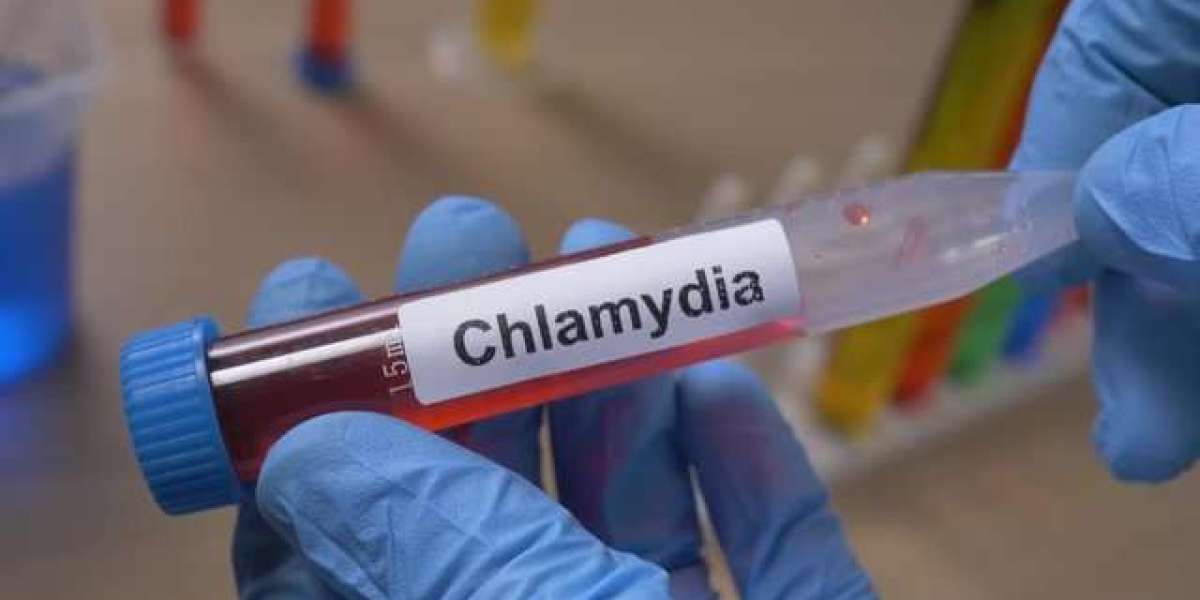

Getting tested for a sexually transmitted infection can sometimes feel stressful, especially while waiting for the result. Understanding what a chlamydia test result means can make the process easier to manage. A Chlamydia Test in Dubai can help determine whether Chlamydia trachomatis has been detected in the sample that was tested.
Chlamydia can occur without noticeable symptoms, so testing may be recommended even when a person feels completely healthy. Results should be interpreted according to the type of test performed, the sample collected, the timing of testing, and the person's medical circumstances.
A laboratory result is an important part of diagnosis, but healthcare professionals may also consider symptoms, possible exposure, previous testing, and other relevant information before recommending the next step.
Common Types of Chlamydia Results
Most chlamydia test reports will indicate whether the organism was detected or not detected. Depending on the laboratory and testing method, the wording may vary.
A result may be described as positive, detected, negative, or not detected. In some circumstances, a laboratory may report a result as invalid or inconclusive if the sample could not be processed adequately.
A positive or detected result generally means that evidence of chlamydia was identified in the tested sample. A negative or not-detected result means the test did not identify evidence of chlamydia in that particular sample.
Understanding the wording used by the laboratory can help patients know when additional medical discussion is needed.
Reviewing Results at Enfiled STD Clinic
At Enfiled STD Clinic, people seeking a Chlamydia Test in Dubai can discuss their results with a healthcare professional and ask questions about what the findings mean.
The healthcare professional may consider the patient's reason for testing, recent sexual exposure, symptoms, previous STI history, and the type of sample used.
If a result is positive, medical guidance can help determine appropriate treatment and partner-related follow-up. If a result is negative but testing occurred shortly after a possible exposure, additional advice may sometimes be appropriate.
Patients should avoid interpreting an isolated laboratory result without considering the circumstances surrounding the test.
What Does a Positive Chlamydia Result Mean?
A positive chlamydia result generally indicates that the test detected Chlamydia trachomatis in the sample.
A positive result does not necessarily indicate when the infection was acquired. Chlamydia may remain without noticeable symptoms, so a person may not know exactly when transmission occurred.
Once a positive result is confirmed and discussed with a healthcare professional, appropriate antibiotic treatment can be prescribed. Patients should follow the treatment instructions carefully and complete the prescribed course as directed.
Healthcare professionals may also discuss sexual partners and whether they should receive testing or treatment. This can help reduce the possibility of ongoing transmission and reinfection.
What Does a Negative Chlamydia Result Mean?
A negative result means that the test did not detect chlamydia in the sample provided.
However, a negative result does not always answer every possible question about sexual health. The timing of the test and the location from which the sample was collected can be important.
For example, if testing was performed very soon after a possible exposure, the infection may not yet be detectable. A healthcare professional may therefore recommend additional testing depending on the situation.
A negative chlamydia result also does not rule out other sexually transmitted infections that require different tests.
Why Timing Matters When Interpreting Results
The time between possible exposure and testing can influence how results are understood. Testing too soon after exposure may produce a negative result even when infection is developing.
The appropriate timing is not necessarily identical for every person. It can depend on the type of exposure, symptoms, testing method, and medical circumstances.
If you recently had possible sexual exposure and receive a negative result, speak with a healthcare professional about whether the timing was appropriate and whether repeat testing may be necessary.
This is particularly important if symptoms develop or a sexual partner has subsequently been diagnosed with chlamydia.
What If the Result Is Inconclusive?
Occasionally, a laboratory may be unable to provide a clear result. This can happen for technical reasons related to the sample or testing process.
An inconclusive or invalid result does not necessarily mean that a person has or does not have chlamydia. Additional testing may be required to obtain a useful result.
Patients should follow the laboratory or healthcare professional's instructions about repeating the test.
It is generally better to obtain an appropriate repeat sample than to assume that an unclear result is equivalent to a negative result.
Can Symptoms Change How Results Are Interpreted?
Symptoms can provide additional clinical information, although they cannot independently diagnose chlamydia.
Possible symptoms can include unusual genital discharge, discomfort when urinating, pelvic pain, or pain involving other exposed areas. Some people may experience no symptoms at all.
If someone has symptoms but receives a negative chlamydia result, a healthcare professional may consider other possible causes. Additional testing may be recommended depending on the symptoms and exposure history.
This is one reason a complete medical assessment can be useful when interpreting sexual health test results.
What Happens After a Positive Result?
After a positive result, the healthcare professional can discuss treatment options and other steps that may be necessary.
Chlamydia is treatable with appropriate antibiotics. Patients should take medication exactly as prescribed and should not share medication with partners or use antibiotics left over from an earlier illness.
Depending on the circumstances, healthcare professionals may advise avoiding sexual contact until the appropriate treatment period has been completed and relevant medical guidance has been followed.
Partner notification may also be discussed. Recent partners may need evaluation, testing, or treatment to reduce the risk of reinfection.
Why Partner Testing Can Matter
When one person receives a positive chlamydia diagnosis, recent sexual partners may need to be informed and assessed by healthcare professionals.
This does not mean that either partner should automatically assume when or from whom the infection was acquired. Chlamydia can remain unnoticed for a long time.
Partner testing and appropriate treatment are important because untreated infection can continue to be transmitted.
Open and respectful communication can help partners seek medical care without unnecessary blame or assumptions.
Can You Get Chlamydia Again After Treatment?
Yes. Treatment can clear the infection, but it does not provide permanent protection against future exposure.
A person who has previously had chlamydia can become infected again if exposed to the bacteria later.
For this reason, healthcare professionals may recommend follow-up testing in certain circumstances and may discuss safer-sex practices.
Using condoms correctly, discussing sexual health with partners, and following recommended screening schedules can help reduce future risks.
Does a Negative Result Test for Other STIs?
No. A chlamydia test specifically evaluates for chlamydia and does not automatically test for every sexually transmitted infection.
Other infections require their own diagnostic tests. Depending on individual circumstances, a healthcare professional may discuss screening for conditions such as gonorrhea, HIV, syphilis, or hepatitis.
The appropriate combination of tests depends on factors such as exposure, symptoms, sexual practices, medical history, and professional recommendations.
A person should therefore avoid assuming that a negative chlamydia result means all STI testing is negative.
When Should You Seek Further Medical Advice?
Further medical advice may be appropriate if symptoms continue, a partner has tested positive, exposure occurred recently, or the test result is unclear.
People who receive a positive result should follow up with a healthcare professional for appropriate treatment and guidance.
Those with a negative result but ongoing concerns may also benefit from further evaluation. Another infection or a non-infectious condition could be responsible for symptoms.
Prompt medical advice can help prevent unnecessary delays in diagnosis and treatment.
Protecting Your Sexual Health After Testing
Understanding your test result is only one part of maintaining sexual health. Depending on individual circumstances, healthcare professionals may recommend regular screening, condom use, partner communication, and other preventive measures.
If you have a new sexual partner, discussing testing history and protection can help both people make informed decisions.
Routine screening can also be useful for people who have an increased likelihood of STI exposure, even when they do not have symptoms.
Final Thoughts
Understanding chlamydia test results can help you make sense of what happens after testing. A Chlamydia Test in Dubai may report a result as detected, not detected, positive, negative, or occasionally inconclusive depending on the laboratory and testing method.
A positive result generally requires appropriate medical treatment and consideration of partner testing or treatment. A negative result means chlamydia was not detected in the tested sample, but timing and sample location can affect interpretation.
If you have symptoms, recently experienced possible exposure, or are unsure what your result means, discussing the findings with a qualified healthcare professional can help you understand the appropriate next steps.