
Surface preparation plays an important role in manufacturing, maintenance, restoration, and metalworking. Before painting, welding, coating, or repairing a component, unwanted materials such as rust, paint, oil, oxidation, and accumulated dirt often need to be removed. Traditional cleaning methods can require chemicals, abrasive materials, or considerable manual effort. Modern laser technology offers another approach that can make surface preparation more controlled and practical.
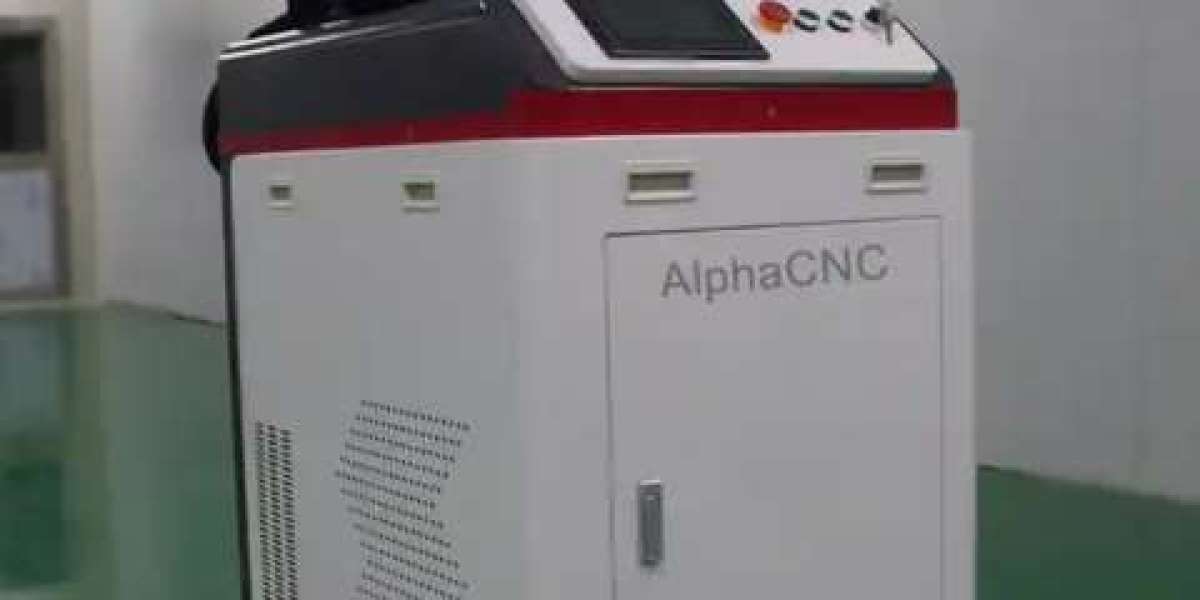
A handheld laser cleaner is designed to direct concentrated laser energy onto a surface to remove unwanted contaminants. Because the operator can guide the cleaning head manually, the equipment can be used across different workpieces, shapes, and working environments. From metal fabrication workshops to automotive maintenance facilities, handheld laser cleaning technology is becoming an increasingly useful solution for precision surface treatment.
Understanding Handheld Laser Cleaning Technology
A handheld laser cleaner uses a laser beam to interact with contaminants deposited on a material's surface. When the laser energy reaches rust, paint, oxide layers, grease, or other unwanted substances, the contamination absorbs the energy and is rapidly removed from the surface.
The process can be adjusted according to the material, contamination, and desired cleaning result. Operators can select suitable parameters such as laser power, scanning speed, and cleaning settings to achieve controlled surface treatment.
Unlike conventional abrasive cleaning, laser cleaning works without relying on physical blasting media. This makes it suitable for applications where maintaining the original surface condition is important.
Removing Rust from Metal Surfaces
Rust removal is one of the most recognized applications of handheld laser cleaning equipment. Metal components exposed to moisture and oxygen can develop oxidation over time, affecting their appearance and potentially interfering with further processing.
A handheld laser cleaner can target rust layers while allowing the operator to move the cleaning head across the affected area. This makes it useful for steel structures, machinery parts, automotive components, tools, molds, and industrial equipment.
After the rust has been removed, the prepared surface can be inspected and further processed through painting, coating, welding, or other manufacturing procedures.
Cleaning Paint and Coating Residues
Paint removal can be necessary during equipment restoration, maintenance, and manufacturing. Traditional methods may involve sanding, scraping, blasting, or chemical stripping. Laser cleaning provides an alternative method for removing selected coatings from suitable surfaces.
With appropriate settings, the laser can be directed toward the coating layer so that the unwanted material is separated from the underlying surface. This can be particularly useful when only a specific section needs to be cleaned rather than treating the entire component.
For repair workshops and industrial maintenance teams, a handheld system can make localized paint removal more convenient.
Preparing Surfaces Before Welding
Clean surfaces are important in welding operations. Rust, oil, oxidation, paint, and other contaminants can interfere with welding processes and affect the quality of the finished joint.
A handheld laser cleaner can be used before welding to prepare selected areas. By removing contamination from the welding zone, operators can create a cleaner working surface before beginning the welding process.
This application can be useful in fabrication workshops, automotive repair, machinery production, and metalworking environments where components require repeated preparation.
Oil, Grease, and Industrial Contamination
Industrial components frequently collect oil, grease, dust, and production residues during operation. Cleaning these parts manually can take significant time, particularly when contamination has accumulated around detailed areas.
Laser cleaning can be used for selected types of surface contamination when the correct laser parameters and process conditions are applied. The operator can move the handheld cleaning head across the contaminated area and focus treatment where it is required.
This makes the technology relevant to maintenance work involving machinery components, tools, molds, mechanical parts, and production equipment.
Applications in Automotive Maintenance
Automotive workshops handle many metal components that require cleaning before repair, restoration, or refinishing. Brake components, engine parts, suspension components, tools, and other metal surfaces can accumulate rust, carbon deposits, grease, and old coatings.
A handheld laser cleaner provides a flexible approach for localized cleaning. The operator can work on individual components without necessarily treating an entire assembly.
For restoration projects, laser cleaning can also help prepare selected areas before refinishing or repairing older metal parts.
Industrial Equipment Maintenance
Factories depend on machinery that must remain clean and properly maintained. Over time, industrial equipment can accumulate oxidation, dirt, coatings, and production residues.
Instead of relying exclusively on manual scraping or abrasive methods, maintenance teams can consider laser cleaning for suitable applications. The handheld design allows workers to direct the cleaning process toward specific components and difficult areas.
This can be especially useful when equipment contains complex surfaces where controlled cleaning is required.
Mold and Tool Cleaning
Molds and industrial tools often need regular cleaning because production residues can accumulate during repeated use. Maintaining clean tooling can help support consistent manufacturing processes.
A handheld laser cleaner can be used to treat suitable mold and tool surfaces without the need to apply conventional chemical cleaning agents. Operators can direct the laser toward contaminated sections and adjust the process according to the material and type of residue.
This makes laser cleaning an interesting option for workshops involved in precision manufacturing and tool maintenance.
Restoration and Surface Conservation
Older machinery, metal components, signs, decorative objects, and industrial artifacts may require careful cleaning. Excessive mechanical force can alter a surface, so controlled cleaning methods can be valuable during restoration work.
Laser cleaning allows the operator to concentrate treatment on specific contaminated areas. With appropriate settings and professional operation, unwanted layers can be removed progressively while the underlying material is carefully monitored.
The technology is therefore attracting interest in restoration workshops where precision and controlled surface treatment are important.
Choosing the Right Cleaning Process
Every cleaning application is different. Before selecting a laser cleaner, operators should consider the material being treated, the type and thickness of contamination, the required cleaning area, and the production environment.
Laser power should be selected according to the intended application rather than simply choosing the highest available specification. Different materials and contaminants require different settings.
It is also important to test the process on a suitable sample or less critical area before cleaning valuable components. This allows operators to establish appropriate parameters and reduce the risk of unwanted surface changes.
Operating a Handheld Laser Cleaner Safely
Laser cleaning equipment should always be operated according to the manufacturer's instructions and applicable workplace safety requirements. Appropriate laser safety controls, protective equipment, ventilation, and work-area management are important considerations.
The cleaning process can produce particles, fumes, or other residues depending on the material being removed. Proper extraction and ventilation should therefore be considered for industrial applications.
Operators should also receive appropriate training before using laser equipment. Understanding the machine's controls and cleaning parameters helps ensure a controlled and professional working process.
Integrating Laser Cleaning into Modern Workshops
As manufacturers search for more precise and efficient surface preparation methods, laser cleaning can become part of a broader workshop workflow. A handheld system can be moved between suitable work areas and used for different cleaning tasks without requiring a large fixed installation.
Final Thoughts
A handheld laser cleaner offers a modern approach to removing rust, paint, oxidation, grease, and other unwanted surface contamination from suitable materials. Its manually guided design gives operators greater flexibility when working with components of different shapes and sizes.