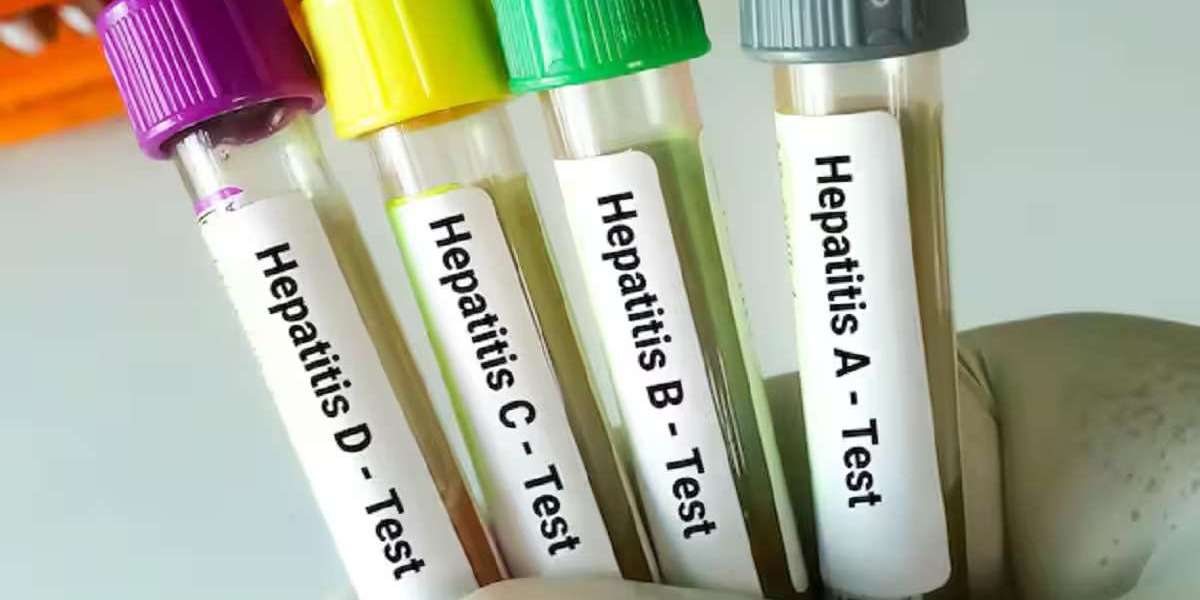

If you have recently experienced a situation where hepatitis B exposure may have occurred, timely medical advice can help determine whether testing is appropriate. Hepatitis B is a viral infection that affects the liver and can sometimes develop without noticeable symptoms. Because a person may not know they have the infection, testing can provide important information about their health status. A Hepatitis B Test in Dubai can help healthcare professionals evaluate possible infection and determine whether additional testing or follow-up may be needed.
Why Hepatitis B Testing May Be Needed After Exposure
Hepatitis B can spread through contact with infected blood or certain body fluids. Possible exposure can occur in several circumstances, including sexual contact with an infected person, sharing needles or other equipment that may contain blood, accidental contact with infected blood, or certain medical and personal-care situations involving contaminated equipment.
Not every possible exposure results in infection, but testing can help assess the situation. A healthcare professional may consider the type of exposure, the timing of the event, vaccination history, previous test results, and other relevant health information before recommending an appropriate testing approach.
Testing can be particularly important when a person's hepatitis B vaccination status is unknown or when there is a known exposure to someone who has hepatitis B.
How Timing Affects Hepatitis B Testing
One important consideration after possible exposure is timing. Hepatitis B markers do not necessarily become detectable immediately after infection. If testing is performed too early, the results may not provide a complete picture of what is happening.
For this reason, a healthcare professional may recommend testing at a particular time and, in some situations, repeating the test later. The appropriate schedule depends on the exposure and the specific tests being used.
A person should not assume that an early negative result completely rules out infection if testing occurred before relevant markers could be detected. Medical follow-up can help determine whether additional testing is appropriate.
What Tests May Be Used?
Hepatitis B testing does not always involve a single laboratory marker. Healthcare professionals may use a combination of blood tests to understand whether a person has a current infection, has previously been exposed, or has immunity.
Common markers include hepatitis B surface antigen, hepatitis B surface antibody, and total hepatitis B core antibody. In certain circumstances, additional testing may be considered to provide more information about the infection.
The choice of tests depends on the individual's circumstances. A healthcare provider can explain which markers are appropriate based on vaccination history, previous results, symptoms, and possible exposure.
What If You Have Already Been Vaccinated?
Vaccination can provide protection against hepatitis B, but a person's vaccination history is still relevant when evaluating possible exposure. Healthcare professionals may ask when the vaccine was received and whether the recommended series was completed.
If vaccination records are unavailable, a provider may use available medical information and laboratory results to determine the next step.
It is important not to assume that vaccination history makes testing unnecessary in every situation. The appropriate response depends on the specific circumstances of the possible exposure.
What If the Exposure Was Recent?
If the possible exposure happened recently, contacting a healthcare professional promptly can be important. Some post-exposure measures may be time-sensitive, depending on the nature of the exposure and whether the exposed person is already protected against hepatitis B.
A provider may review the event and determine whether testing, vaccination, additional preventive measures, or follow-up is appropriate.
This is one reason people should avoid waiting for symptoms before seeking professional advice. Hepatitis B can be present without obvious symptoms, particularly during some stages of infection.
Understanding Possible Hepatitis B Symptoms
Some people with hepatitis B may experience symptoms such as tiredness, loss of appetite, nausea, abdominal discomfort, dark urine, or yellowing of the skin and eyes. However, symptoms are not a reliable way to determine whether someone has hepatitis B.
A person can have an infection without feeling unwell. This makes laboratory testing particularly useful when there has been a meaningful exposure.
If symptoms appear after possible exposure, medical evaluation can help determine whether hepatitis B or another condition could be responsible.
What Happens During Testing?
A hepatitis B test generally involves collecting a blood sample. The sample is sent to a laboratory where specific markers are examined.
Before testing, the healthcare professional may ask about the possible exposure and relevant medical history. This information helps place laboratory findings into context.
The process is usually straightforward, but the exact testing approach can vary. If multiple markers are ordered, the combined results can provide more information than relying on a single result.
Understanding Negative Results After Exposure
A negative result can be reassuring, but its meaning depends partly on when the test was performed. If testing takes place very soon after exposure, the infection may not yet be detectable.
A healthcare professional may therefore recommend repeat testing when appropriate. The follow-up schedule should be based on the individual's circumstances rather than a general assumption.
It is also important to understand whether a negative result means there is no evidence of current infection, no evidence of previous infection, or something else based on the specific marker tested.
What Does a Positive Result Mean?
A positive hepatitis B marker does not always mean exactly the same thing. Different markers can indicate different aspects of infection or immunity.
For example, some results may indicate current infection, while others may indicate previous exposure or immunity. Because hepatitis B blood tests can involve several markers, results should be interpreted as a complete pattern rather than in isolation.
If a test indicates possible infection, a healthcare professional can explain what the result means and whether additional testing is required.
Testing at Enfiled STD Clinic
For people seeking professional sexual health evaluation, Enfiled STD Clinic can provide an environment where possible hepatitis B exposure can be discussed confidentially with a healthcare professional. During an appointment, relevant information such as the timing and type of exposure, vaccination history, symptoms, and previous testing can help guide the evaluation.
Professional testing can also help avoid confusion when different hepatitis B markers are involved. Rather than trying to interpret individual results independently, patients can discuss their results with a qualified provider who can consider the complete clinical context.
Why Follow-Up Can Be Important
Follow-up is sometimes an important part of hepatitis B testing after possible exposure. The first test may provide useful information, but depending on timing, additional testing may be recommended.
Following the healthcare provider's instructions can help ensure that relevant changes are not missed. If symptoms develop, new exposure occurs, or the person receives additional medical information, the provider should also be informed.
Keeping records of test dates and results can make future medical discussions easier.
Protecting Yourself From Future Exposure
Hepatitis B prevention includes vaccination, safer sexual practices, avoiding shared needles or equipment that may contain blood, and ensuring that instruments used for procedures are properly sterilized.
People who may have ongoing exposure risks can discuss vaccination and appropriate screening with a healthcare professional. Prevention strategies can vary depending on occupation, lifestyle, medical circumstances, and other factors.
Final Thoughts
Possible hepatitis B exposure does not automatically mean that infection has occurred, but it can be a reason to seek professional medical advice. The timing of testing, vaccination history, type of exposure, and specific laboratory markers can all affect how results are interpreted. A Hepatitis B Test in Dubai can help provide useful information and support appropriate follow-up when testing is medically indicated.
If you believe you have recently been exposed, speaking with a healthcare professional promptly can help determine what testing or preventive steps may be appropriate.